Want to get rid of belly fat with another ‘detox’? Dr Pankaj Sharma shares what you should know about visceral fat

Want to get rid of belly fat with another ‘detox’? Dr Pankaj Sharma shares what you should know about visceral fatPublished on: Sep 21, 2026, 15:58:57 IST
Prefer HTon Google
Share via
Copy link
Social media is full of advice to get rid of visceral fat – often classified as “belly fat” or “cortisol belly.” Dr Sharma shares a more nuanced perspective.
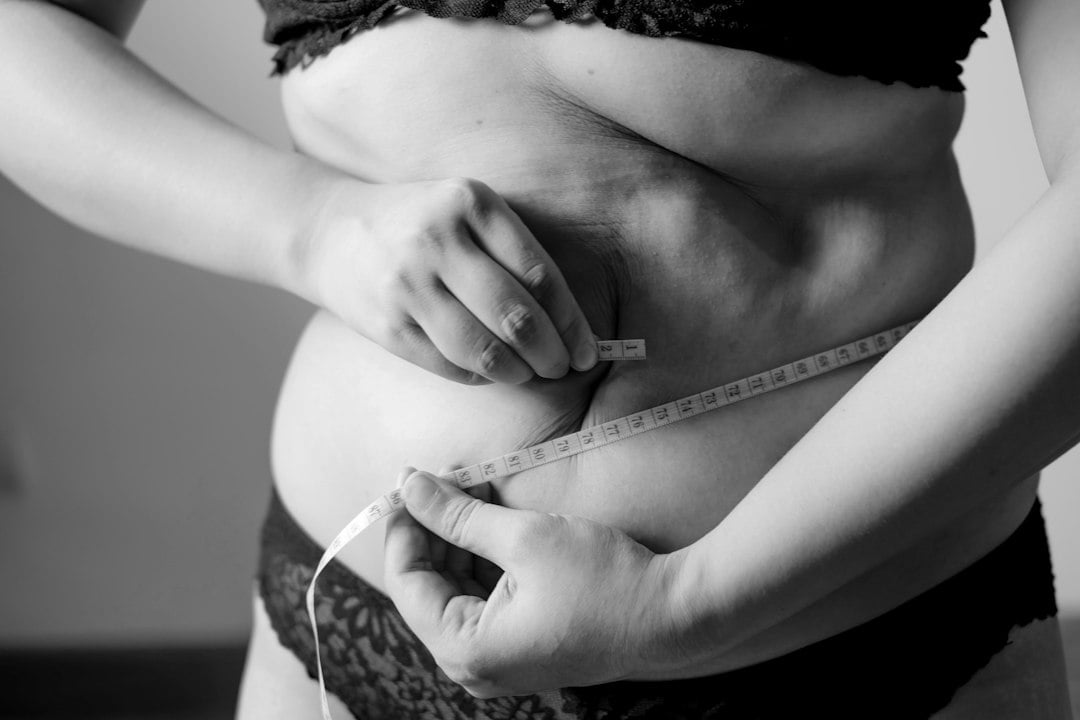
Visceral fat has emerged as one of the latest weight-loss buzzwords on social media, with videos promising to “burn belly fat”, “target deep abdominal fat” or even get rid of a so-called “cortisol belly”. But beneath the catchy online terminology lies a genuine health concern. Unlike the fat stored just beneath the skin, visceral fat accumulates deep within the abdomen, surrounding internal organs, and is linked to several metabolic health risks. So, what exactly is visceral fat, who is more likely to accumulate it, and what can actually help reduce it?
What is visceral fat?
In a conversation with Lifestyle, Dr Pankaj Sharma – the director of the Department of Robotics, Bariatric, Laparoscopic and General Surgery at Fortis Hospital, Shalimar Bagh – explains that not all abdominal fat is the same.
“Visceral fat is the fat deposited deeper inside the abdominal cavity, around organs such as the liver and intestines. It is different from the softer fat immediately beneath the skin. What makes visceral fat clinically important is that it is metabolically active and is associated with insulin resistance, abnormal blood sugar, unhealthy lipid levels and cardiovascular risk,” he notes.
Since visceral fat sits deeper inside the abdomen, it cannot be reliably assessed by appearance or by simply feeling the belly. BMI and waist circumference may indicate a higher risk of excess abdominal fat, but neither provides a direct measurement of the amount of visceral fat stored around the organs.
The growing conversation in social media
The growing conversation around “belly fat”, “visceral fat” and the so-called “cortisol belly” reflects a genuine interest in abdominal obesity and its potential health implications. However, according to Dr Sharma, social media can often blur the line between established medical evidence and wellness marketing. “Cortisol belly”, for instance, is not a recognised medical diagnosis, and everyday stress should not automatically be assumed to be the underlying cause of abdominal fat.
The surgeon highlights, “People should be careful about treating every social-media explanation for belly fat as a diagnosis. Abdominal fat can be influenced by genetics, age, diet, physical activity, sleep, hormonal changes and overall energy balance. There is no single drink, supplement or exercise that selectively melts visceral fat overnight.”
Who should be particularly cautious?
People with obesity, increasing waist circumference, insulin resistance or type 2 diabetes may have greater metabolic risk. The World Health Organization describes obesity as a chronic, relapsing disease influenced by biological, behavioural, environmental and genetic factors, rather than simply a matter of willpower.
Dr Sharma explains, “Ageing, physical inactivity, excess calorie intake and genetic or hormonal factors can also influence where the body stores fat. However, a person does not need to look visibly obese to have metabolic risk, which is why weight should be considered alongside other health markers.”
Can visceral fat be reduced?
According to the surgeon, visceral fat cannot be selectively “flushed out” with a detox, drink or supplement, as overall excess body fat comes down through consistent lifestyle changes, visceral fat can also decrease. He recommends, “A balanced diet, appropriate portion and calorie intake, and regular physical activity remain the foundation of managing excess weight. Depending on a person's health profile and the severity of obesity, doctors may also consider prescription weight-loss medicines or metabolic or bariatric surgery.”
Additionally, Dr Sharma emphasises the importance of maintaining muscle during weight loss – making resistance and strength training a valuable part of the process. For patients who meet the appropriate medical criteria, weight-management medications can be used as an additional tool alongside lifestyle changes, rather than as a replacement for nutritious eating and regular exercise.
Ultimately, the goal should not be to chase a completely flat stomach. Dr Sharma concludes, “We should treat the metabolic problem rather than the appearance of the abdomen. If someone has excess visceral fat along with diabetes, hypertension, sleep apnoea or other obesity-related complications, they need a proper medical assessment. The right treatment may range from structured lifestyle intervention to medication or metabolic surgery depending on the individual. The aim is sustainable improvement in metabolic health, not simply a smaller waistline.”
Note to readers: This article is for informational purposes only and not a substitute for professional medical advice. Always seek the advice of your doctor with any questions about a medical condition.
Dr Pankaj Sharma is Director of Robotics, Bariatric, Laparoscopic and General Surgery at Fortis Hospital, Shalimar Bagh, and founder of Shalya Clinic, Rohini. With over 27 years of experience, he specialises in minimally invasive, robotic, bariatric and advanced anorectal and venous procedures.
Catch every big hit, every wicket with Crick-it, a one stop destination for Live Scores, Match Stats, Quizzes, Polls & much more. Explore now!.
Catch your daily dose of Fashion, Taylor Swift, Health, Festivals, Travel, Relationship, Recipe and all the other Latest Lifestyle News on Website and APPs.
See Less




Leave a Reply