Fresh food and fuel arrive as Russian spacecraft docks with ISS
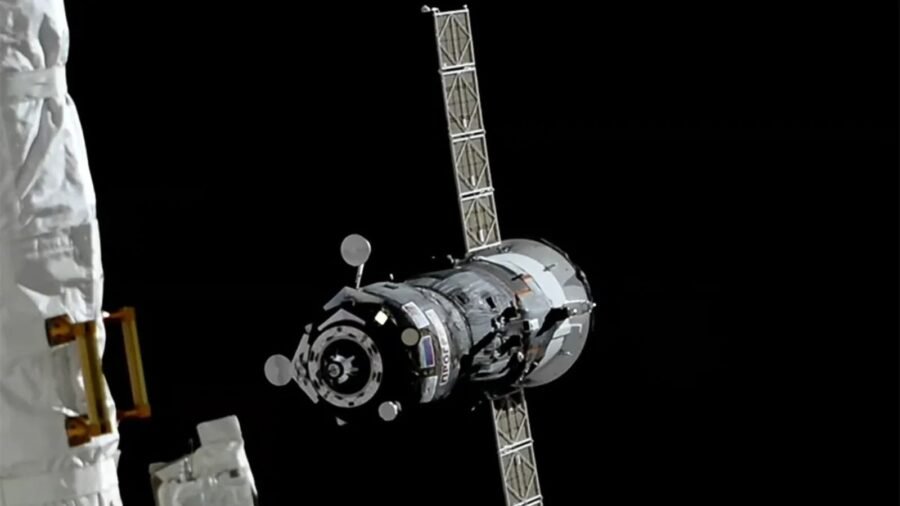
Russia’s Progress 96 cargo spacecraft successfully docked with the International Space Station (ISS) on September 19, delivering about three tonnes of food, fuel and other supplies for the astronauts and cosmonauts aboard the orbiting laboratory.
The robotic spacecraft launched on a Soyuz rocket from the Baikonur Cosmodrome in Kazakhstan on September 16. It then spent three days travelling through orbit to catch up with the ISS, according to Space.com.
Progress 96 completed the journey at 9.44 am EDT (7.14 pm IST) on September 19, when it docked with the station’s space-facing Poisk module. At the time of docking, the spacecraft and the ISS were flying about 418 kilometres above the Black Sea, according to NASA’s docking webcast.
Story continues below.
Subscribe to see fewer ads.
Progress 96 delivers supplies to ISS crew
The Progress spacecraft carried about three tonnes of supplies for the station, including food, fuel, and other cargo the crew needs.
Seven people are currently living aboard the ISS: Nasa astronauts Jack Hathaway, Jessica Meir and Anil Menon; European Space Agency astronaut Sophie Adenot; and Roscosmos cosmonauts Pyotr Dubrov, Andrey Fedyaev and Anna Kikina.
Progress spacecraft regularly transport supplies to the ISS. Unlike crewed spacecraft, these vehicles operate without astronauts or cosmonauts on board and are designed to deliver cargo before eventually being disposed of. The docking of Progress 96 marked the end of its three-day orbital journey from Baikonur to the space station.
Spacecraft will remain attached for five months
Progress 96 is expected to remain docked to the ISS for about five months. During that period, the spacecraft will serve as part of the station’s logistics system while the crew unloads and uses its cargo, according to Space.com.
Story continues below this ad
At the end of its mission, the spacecraft will be filled with waste and discarded material from the space station before being sent towards Earth.
Progress 96 will then burn up in the atmosphere, following the standard disposal process used for most current ISS cargo spacecraft.
The same fate awaits most of the other uncrewed resupply vehicles that currently serve the space station, including Japan’s HTV-X and Northrop Grumman’s Cygnus spacecraft.
SpaceX’s Dragon cargo spacecraft is currently the exception among major resupply vehicles, as it can return to Earth and be reused.
Story continues below this ad
The arrival of Progress 96 therefore adds another routine but important cargo delivery to the ISS, helping maintain supplies for the crew. At the same time, the station continues its long-term operations in low Earth orbit.

Meet Jev, the new AI model built to make decisions instead of generating text
By Sohail Khan · 21 Sep
China space surge: 4 orbital rockets launched within 45 hours in satellite blitz
By Sohail Khan · 21 Sep
Apple Pay could finally enter India in October after 12 years: What to expect
By Sohail Khan · 21 Sep
Leave a Reply