Do people with high cholesterol in their 30s have 14% higher dementia risk? Doctors reveal the truth about brain health

Do people with high cholesterol in their 30s have 14% higher dementia risk? Doctors reveal the truth about brain healthUpdated on: Sep 21, 2026, 15:21:53 IST
Prefer HTon Google
Share via
Copy link
Experts reveal if having high cholesterol readings in your 30s could be linked to having a higher chance of dementia in old age; while also discussing measures.
Can high cholesterol increase your chances of developing dementia? High cholesterol was always viewed as a heart-health problem. Recently, it has also been increasingly associated with a potential long-term concern for our brain health.
However, according to Dr Sachin Adukia, senior consultant, MBBS, MD (general medicine), DNB (neurology), it would be an oversimplification to say that having high cholesterol in your 30s could directly cause dementia.
The relation between high cholesterol and dementia
In an interview with Lifestyle, Dr Sachin explained that the strongest evidence for a correlation between high cholesterol and dementia currently comes from studies that have examined cholesterol levels in midlife and followed people over many years.
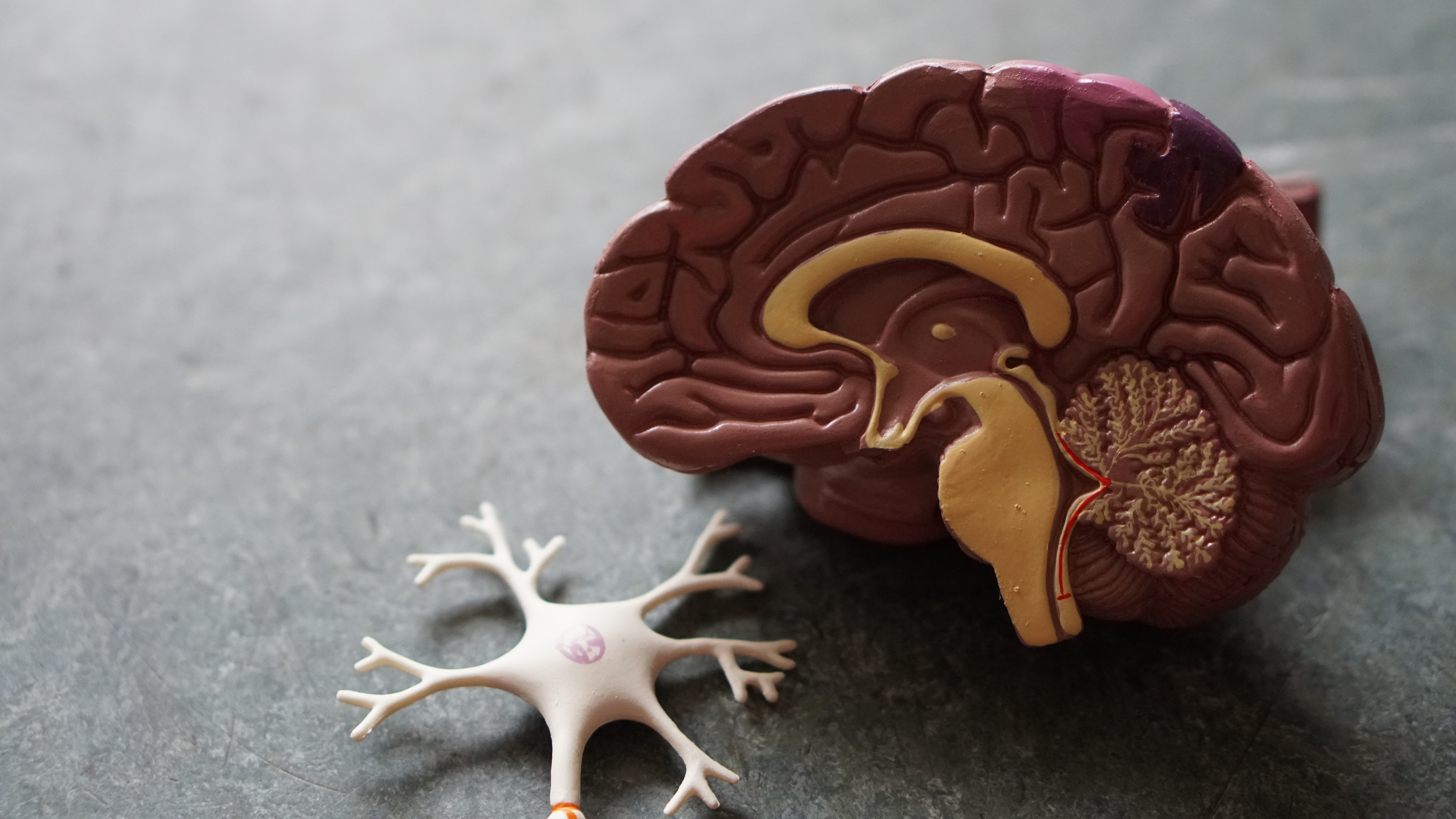
He cited a landmark 2023 research paper involving 1.2 million participants, published in the Alzheimer's & Dementia Journal. The meta-analysis found that midlife hypercholesterolaemia was associated with a 14% higher incidence of all-cause dementia. “The same analysis found that every 1 mmol/L (about 39 mg/dL) increase in LDL cholesterol was associated with an 8% increase in dementia incidence,” he added.
Dementia and cholesterol explained
To understand this correlation, first, we need to understand dementia and cholesterol. In an interview with Lifestyle, Dr Arun Shah, director of neurosciences, Sir HN Reliance Foundation Hospital.
Dr Arun explained that dementia is not a single disease but an umbrella term for a loss of memory, language, problem-solving, and other cognitive abilities that is severe enough to interfere with daily life. “A person's cognitive ability includes communicating with other people, executive function, performing tasks, social awareness, memory, judgment, and thinking ability. Dementia is not part of normal ageing. There are many risk factors which can lead to vascular dementia – hypertension, diabetes, obesity, sleep apnea, smoking, and multiple strokes,” he added.
On the other hand, cholesterol is a waxy, fat-like substance that your body needs to function properly. The liver is the main producer of cholesterol in the body, Dr Arun added. “As it is a fat, it does not dissolve in the blood and is transported in the form of lipoproteins like LDL and HDL. Low-density lipoprotein (LDL) is known as the ‘bad’ cholesterol, and high-density lipoprotein (HDL) is called the ‘good’ cholesterol,” he explained.
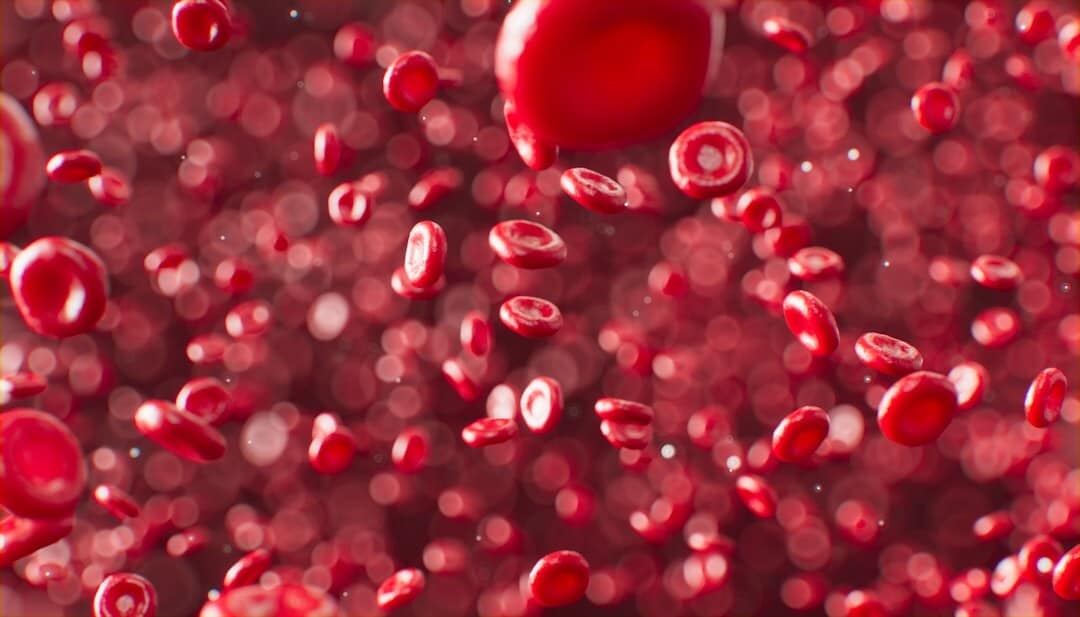
Cholesterol is not always bad and plays important roles in the body, Dr Arun stressed, adding, “It provides stability and flexibility to the outer layer of every single cell in our body. It serves as the primary building block for essential hormones, including estrogen, testosterone, and cortisol. The liver uses cholesterol to make bile acids, which are crucial for helping our intestines digest fats and absorb fat-soluble vitamins (A, D, E, and K).”
‘It is not simply about one high cholesterol reading…’
Regarding the link between dementia and cholesterol, Dr Sachin stressed that there is a plausible biological explanation for this association. He states that “persistently elevated LDL cholesterol contributes to atherosclerosis and vascular injury.”
“Over decades, this can affect the blood vessels supplying the brain, increase the risk of stroke and small-vessel disease, and potentially contribute to cognitive decline. Vascular injury can also interact with the pathological processes underlying Alzheimer’s disease,” Dr Sachin warned.
More importantly, he explained that the relationship between cholesterol and dementia is not simply about one high cholesterol reading. “The duration of exposure, LDL levels, blood pressure, diabetes, smoking, obesity, physical inactivity and other vascular risk factors all matter,” he added, citing the research from the Kaiser Permanente cohort, which found that people with high cholesterol at 40 to 45 years had a higher risk of developing Alzheimer’s disease decades later.
'People in their 30s should focus on prevention'
For people in their 30s, Dr Sachin outlined that the message should be one of ‘prevention rather than fear’. “High cholesterol at this age should not be ignored simply because dementia seems far away. It is an opportunity to identify lifetime cardiovascular risk early, particularly when LDL cholesterol is markedly elevated, or there is a family history, suggesting familial hypercholesterolaemia,” he explained.
At the same time, he added that a 14% relative increase in risk does not mean that ‘14 out of every 100 people with high cholesterol will develop dementia.’ These are population-level associations, and they do not establish that cholesterol alone is the cause, he underlined.
Lastly, Dr Sachin stated that brain health is ultimately vascular health as well. Therefore, “controlling cholesterol, blood pressure, diabetes, smoking, weight and physical inactivity from early adulthood is likely to be far more meaningful than waiting until cognitive symptoms appear.”
Meanwhile, Dr Arun cautioned that high cholesterol levels are detrimental to overall health, as they lead to plaque formation, vascular damage, and endothelial damage in blood vessels.
“All of these lead to brain damage in the long-term, which ultimately leads to dementia. This is being seen in the young population, where overeating and eating junk food lead to high cholesterol accumulation, and repetitive habits lead to a high cumulative burden on the brain. Hence, it is advisable to have a disciplined lifestyle from a young age to prevent diseases of old age like dementia, strokes, and hypertension,” he cautioned.
Note to readers: This article is for informational purposes only and not a substitute for professional medical advice. Always seek the advice of your doctor with any questions about a medical condition.
Catch every big hit, every wicket with Crick-it, a one stop destination for Live Scores, Match Stats, Quizzes, Polls & much more. Explore now!.
Catch your daily dose of Fashion, Taylor Swift, Health, Festivals, Travel, Relationship, Recipe and all the other Latest Lifestyle News on Website and APPs.
See Less

Can PMOS symptoms change with age? Doctor explains signs in your 20s, 30s and 40s
By Sohail Khan · 21 Sep
Can weak bones raise Alzheimer’s risk? Experts reveal the bone-brain connection
By Sohail Khan · 21 Sep

Leave a Reply