The gifts that become public good
Advertisement
I have, over the decades, watched more than my share of powerful men and women receive gifts. Watches they will occasionally wear (even if they want to wear them much more). Statues they will never dust. There is that odd occasion where an expensive shawl is worn. Power, in most hands, is an accumulator. It collects. It hoards. It builds vitrines. We in India have seen prime ministers getting Mercedes cars as gifts, which they proudly drove on the streets of the national capital.
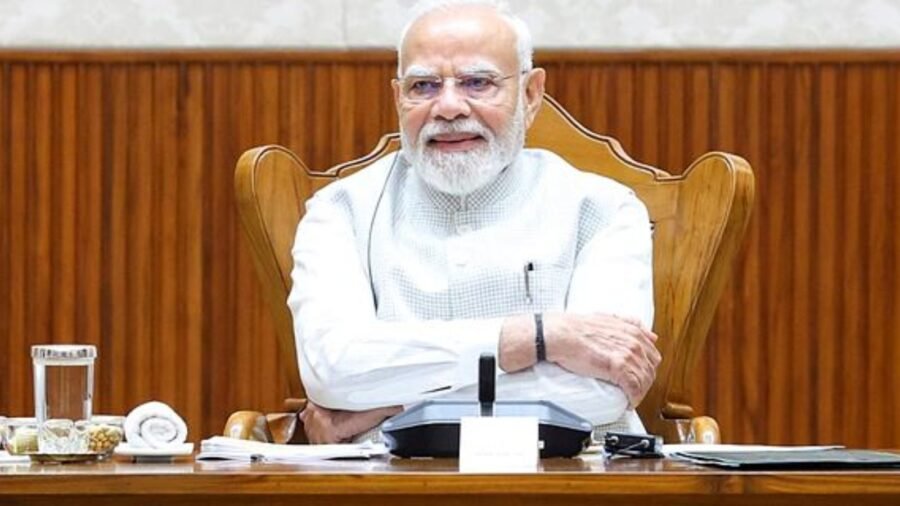
Narendra Modi broke that pattern before most of us were paying attention and he has kept breaking it for the better part of 25 years, which is itself a record of sorts in democracies.
Back in his Gujarat days, long before “Brand Modi” became a case study taught in business schools I occasionally lecture at, a peculiar discipline had already set in. The mementoes piled up as they do for any chief minister worth his salt and instead of vanishing into some official godown, they went under the hammer. Not metaphorically. Literally. Auctioned, sold, converted into cash, a cause he deemed worthier than his own mantelpiece — that of girl child education. Thousands of gifts were auctioned and the proceeds made their way to the Kanya Kelavani Nidhi, as they call it in Gujarat. This was the same initiative which took place in the sweltering month of June, when he and his cabinet set off to remote villages, literally pleading with parents to educate their daughters.
Advertisement
The communications man in me will call it an act of theatre with a conscience and I use “theatre” as the highest compliment. Another part of me will call it the highest form of seva.
What has happened since 2014 is that this instinct found its river. Literally. With the launch of Namami Gange, the nation’s most ambitious attempt to restore the Ganga to something resembling her old, unpolluted self, the Prime Minister’s gift pile finally found a singular, sacred destination. The shawls, the swords, the sculptures, the cricket bats signed by legends, the javelins of Olympians, the paintings from admirers who travelled great distances just to press something into his hands — all of it now finds its way to the National Gallery of Modern Art, is priced with a base as humble as Rs 200 and is bid upon by ordinary Indians who would rather own a fragment of history than a fragment of gold.
I find this extraordinary for reasons that go beyond mere optics, though heaven knows Modi understands optics better than anyone since perhaps Jawaharlal Nehru or Indira Gandhi, and I say that as someone who has studied both with equal fascination.
The first reason is discipline. Twenty-five years is not a photo opportunity. It is not a single grand gesture timed for a news cycle. It is a habit, maintained across two very different jobs, through election cycles, through the mundane churn of governance where it would have been the easiest thing in the world to quietly keep a memento or two. He didn’t. He hasn’t.
The second reason is what it says about the man’s relationship with symbolism. A shawl gifted with reverence, sold to fund a sewage treatment plant, is not a small poetic act; it is alchemy. It takes the sentimental and makes it structural. It takes affection and turns it into infrastructure. That is not something you teach in a communications workshop. That is instinct, honed over decades of understanding that Indians do not merely want good governance; they want governance that feels like devotion.
And the third reason, the one closest to my own preoccupations as someone who has spent a lifetime studying brands, is this: It has made “Namami Gange” not merely a scheme but a shared enterprise. When a doctor in a Tier 2 or Tier 3 city bids for a statue of Vishnu because he believes it will help clean the river his ancestors bathed in, the government has done something no advertising budget could ever buy: It has made citizenship feel personal.
Now, on this famed javelin. World over, it is very common for sporting items to be auctioned. What is the harm if it draws more youngsters to sports?
I have been critical of many things in my career and I will doubtless be critical of many more. But there is something to be said for consistency, especially in a country where consistency in public life is rarer than a Delhi winter without smog. Twenty-five years of turning gifts into good, quietly, procedurally, without fanfare is not spin. It is, dare I say it, character. The Ganga has many custodians. Few have been this literal about giving her their precious gifts.
It is truly Modi’s quarter-century masterclass in seva and renunciation!
The writer is the managing partner of Counselage India

Woman loses 56 kg in 1.5 years, shifts focus to muscle gain and strength
By Sohail Khan · 24 Sep
How 10-minute deliveries are fuelling India’s growing waste crisis
By Sohail Khan · 24 Sep
Sensex, Nifty down over 1.6%: How crude oil, bond yields hit Indian markets
By Sohail Khan · 24 Sep
Leave a Reply