How 10-minute deliveries are fuelling India’s growing waste crisis
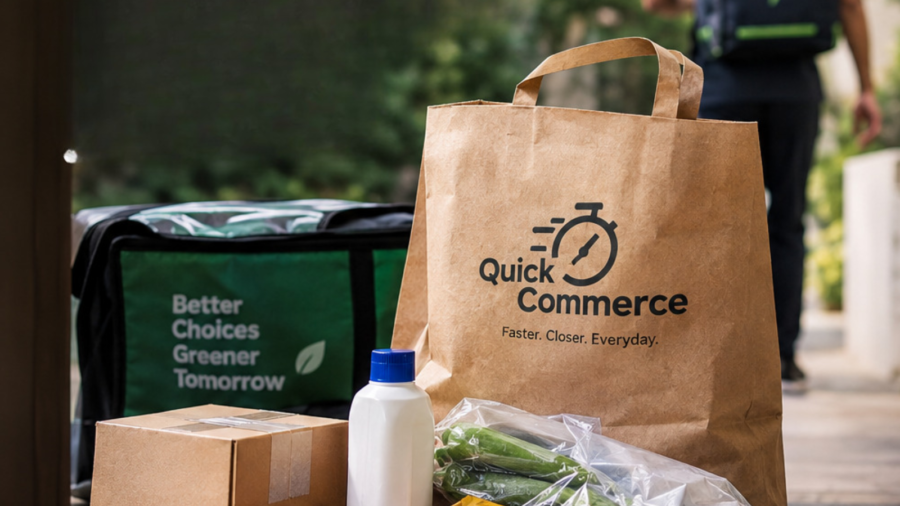
Convenience does not mean more packaging
“Sustainability cannot be treated separately from convenience. Quick-commerce companies need to design their fulfilment systems so that speed does not automatically translate into more waste. The objective should be to deliver only what the customer needs, including only as much packaging as the product and transportation method genuinely require,” says sustainability expert Shiv Rao Challa.
Ankit Kumar, Founder and CEO, Skye Air Mobility, says the distinction between primary and secondary packaging is equally important.
“Primary packaging that protects the product or maintains hygiene is essential. However, secondary packaging can be reduced based on the medium of transportation. It primarily safeguards shipments against vibrations, damage, and mishandling during transit. With drones, which offer minimal vibration and require minimal human intervention, such risks can be significantly reduced, making some secondary packaging unnecessary.”
Story continues below this ad
For example, if someone orders a small bottle of shampoo, a packet of biscuits and a few vegetables, these items may sometimes arrive with multiple layers of packaging or separate bags. Where there is no hygiene or safety concern, products that can safely travel together could instead be packed in one appropriately sized bag or reusable delivery container.
Shiv Rao suggests three simple ways by which quick-commerce companies can reduce waste:
- Use smaller, right-sized packaging
- Avoid unnecessary layers
- Increase the use of reusable or easily recyclable materials
The companies could also track the grams of packaging used per order and set targets to reduce it over time.
“If the system knows that several products in an order do not need separate packaging, it can guide warehouse staff to pack them together. For products that genuinely need protection, such as glass bottles or food items, the focus should be on using the minimum protective packaging required, rather than removing it completely,” Shiv Rao says.
Story continues below this ad
Technology can also help by letting systems make packaging decisions based on size, fragility, and the mix of products in each order.
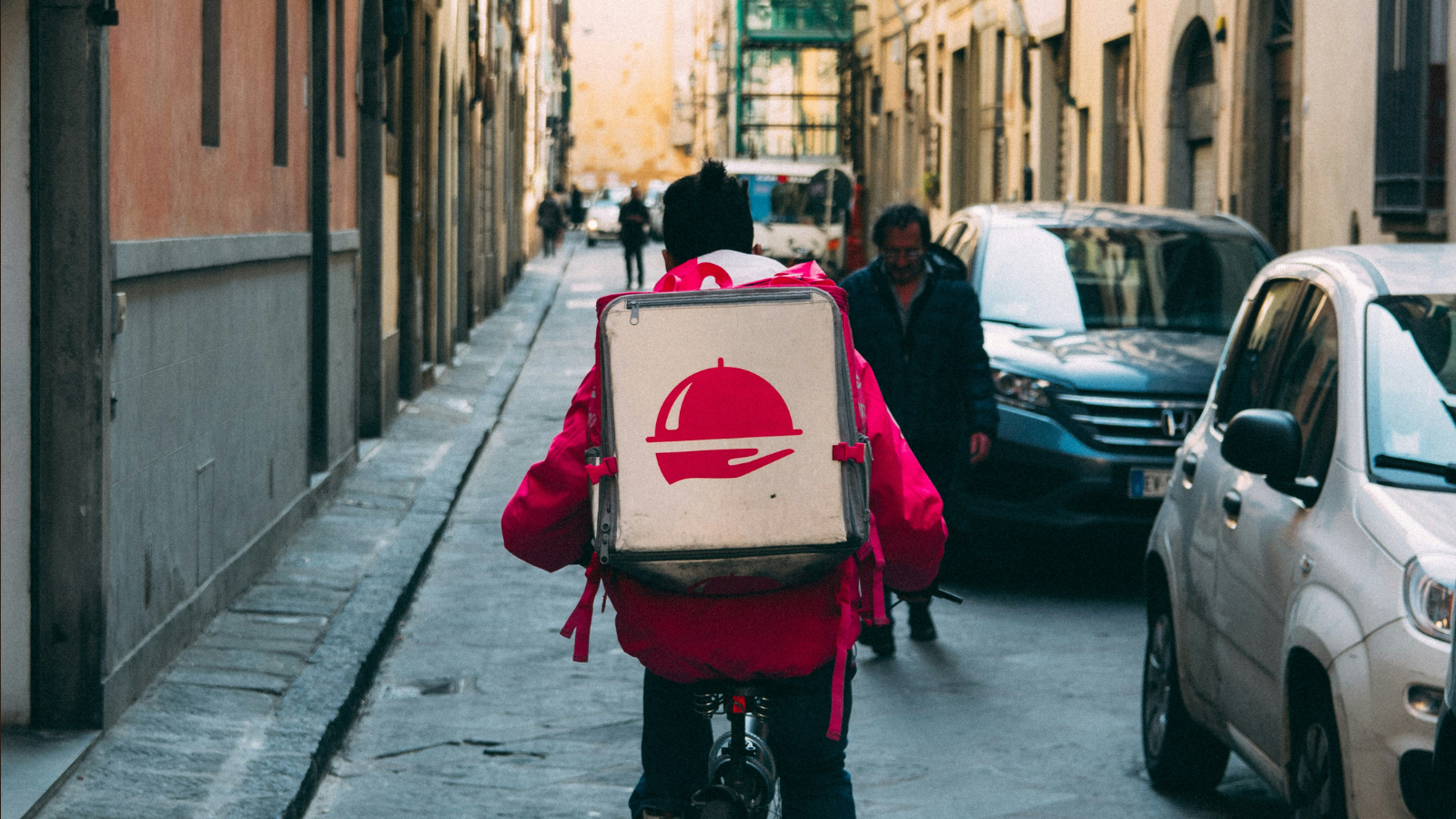 A small quick-commerce order can sometimes arrive with multiple layers of bags and protective packaging, raising questions about packaging waste.
But how much plastic does one small order actually generate?
According to a report by Earth5R, quick commerce’s exponential growth—from near-zero orders in 2015 to an estimated 12 million orders per day nationally by 2025—has created one of India’s fastest-growing single-use plastic waste streams. Each quick commerce order generates an estimated 68–124 grams of plastic packaging (bubble wrap, multi-layer pouches, HDPE bags, EPS foam), placing the sector’s estimated national daily plastic waste output at 1,100–1,500 tonnes — a stream that formal municipal waste systems are structurally incapable of managing at this velocity.
To learn more, we reached out to an e-commerce platform with a specific question: For a typical small quick-commerce order, how much plastic packaging does a customer realistically receive, and what types of plastic are involved?
The platform chose not to provide the information, saying that the response could be perceived negatively.
Story continues below this ad
However, the type of plastic also matters. Not all type of plastics used in packaging has the same recycling prospects.
Nitin Kaushal, Managing Director, SFK Group of Companies, says, “The rigid plastics are typically PET, HDPE and PP which can be recycled whereas the flexible films, multilayer packaging, contaminated material and mixtures of plastics remain very difficult to process and recycle.”
He points out that the question is therefore not simply whether a package is technically recyclable, but whether it is actually collected and processed after use. “Plastic packaging that is not collected for recycling can either be recycled after some processing or put for incineration or sent to a landfill site. The issue here hence goes beyond recyclability at the stage of design of the package to include the aspect of post-use management of the package,” he says.
Talking about how businesses can help, Kaushal says, “They can help by minimising the packaging at source, choosing simpler and recyclable materials, improving sorting and establishing effective systems of collecting and recycling.”
Story continues below this ad
“Setting up a real circular economy in the world of plastics will necessitate cooperation of companies, end-users, recyclers, and waste management agencies,” he adds.
“Quick-commerce packaging does not need to be completely removed, because hygiene, product safety and preventing damage during delivery are important. The goal should be to use only as much packaging as is actually needed.”
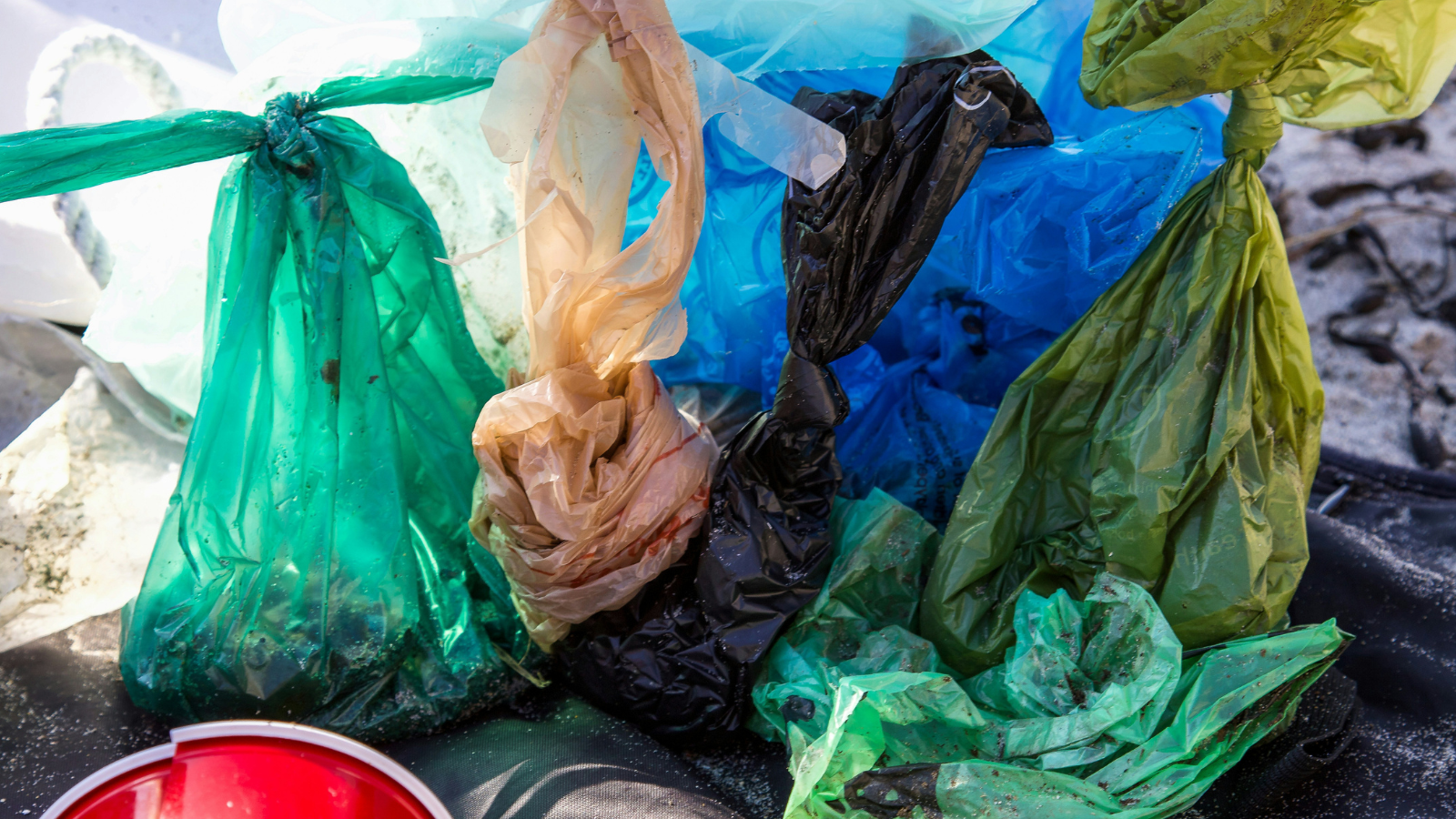 Different types of packaging used for quick-commerce deliveries, including plastic bags and protective wrapping
What are quick commerce companies already doing
Some platforms have introduced packaging-related initiatives, although the scale and effectiveness of these measures can vary.
Citing encouraging examples in the industry, Shiv Rao says Swiggy Instamart offers an option to skip delivery bags, giving consumers a way to avoid an additional bag when it is not necessary. Blinkit has also worked on biodegradable delivery packaging and has reduced packaging material in some of its private-label products. In addition, Zepto and BigBasket have also experimented with no-bag or reusable/returnable packaging models.
Story continues below this ad
What can consumers do?
Consumers also have a role to play because quick commerce makes it easy to place multiple small orders throughout the day.
“Consumers can combine multiple small orders into one delivery, choose consolidated deliveries, and avoid placing several separate orders for items they know they will need within a short period,” Shiv Rao says.
They can also reuse delivery bags or containers where possible and segregate the packaging at home. “Clean cardboard and paper should be kept separate from plastic, while recyclable plastic packaging should ideally enter the appropriate waste-collection or recycling system,” he adds.
Focus on packaging
Ashish Pandey, director and co-founder of BuyBuyCart — an online grocery store– says packaging reduction should not simply mean eliminating material.
Story continues below this ad
“We don’t look at packaging reduction as simply using fewer bags or less material. For us, it is about finding the right balance. Customers expect their products to reach them safely, cleanly and in good condition, and that cannot be compromised.”
“We also need to look at the materials we use. Recyclable and reusable packaging can help reduce the overall impact, while better data and technology can help us understand where packaging is being overused,” he adds.
Kumar says the industry can address secondary packaging through right-sized packaging, reusable delivery bags, recyclable materials, and data-led packaging decisions.
“Faster logistics through drones can further help reduce the need for excess protective packaging, while also lowering material and operational costs. Even small changes, when applied across millions of orders, can significantly reduce material consumption and wastage,” he adds.
Story continues below this ad
Ultimately, the question is not whether quick commerce should use packaging at all; it is whether every layer is necessary.

Sensex, Nifty down over 1.6%: How crude oil, bond yields hit Indian markets
By Sohail Khan · 24 Sep
Opposition seeks Gyanesh Kumar exit: How can a Chief Election Commissioner be removed?
By Sohail Khan · 24 Sep
The gifts that become public good
By Sohail Khan · 24 Sep
Leave a Reply