What is the origin of Paris? The discovery of a 20-metre ancient wall may solve centuries-old mystery
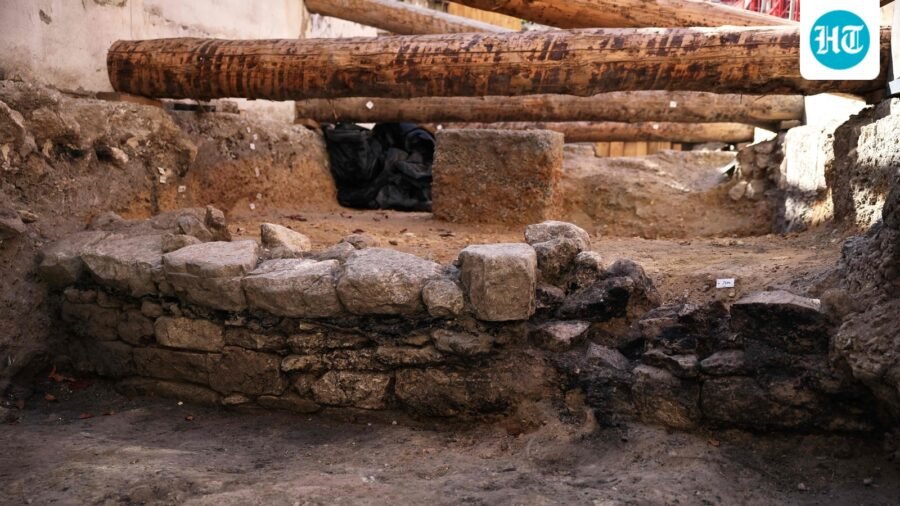
The wall was discovered beneath a hospital on the Ile de la Cite, near the Notre Dame Cathedral, the French culture ministry said.
Updated on: Sep 24, 2026, 19:14:10 IST
Prefer HTon Google
Share via
Copy link
The recent discovery of an ancient wall in central Paris may confirm the location of the city's original settlement, and was hailed as a “major breakthrough” on Wednesday.
The roughly 20-metre (66 foot) wall was discovered beneath a hospital on the Ile de la Cite , a stone's throw away from Notre Dame Cathedral, AFP cited the French culture ministry as saying. The Ile de la Cite, home to Notre Dame Cathedral, is the largest island in the Seine River in Paris region.
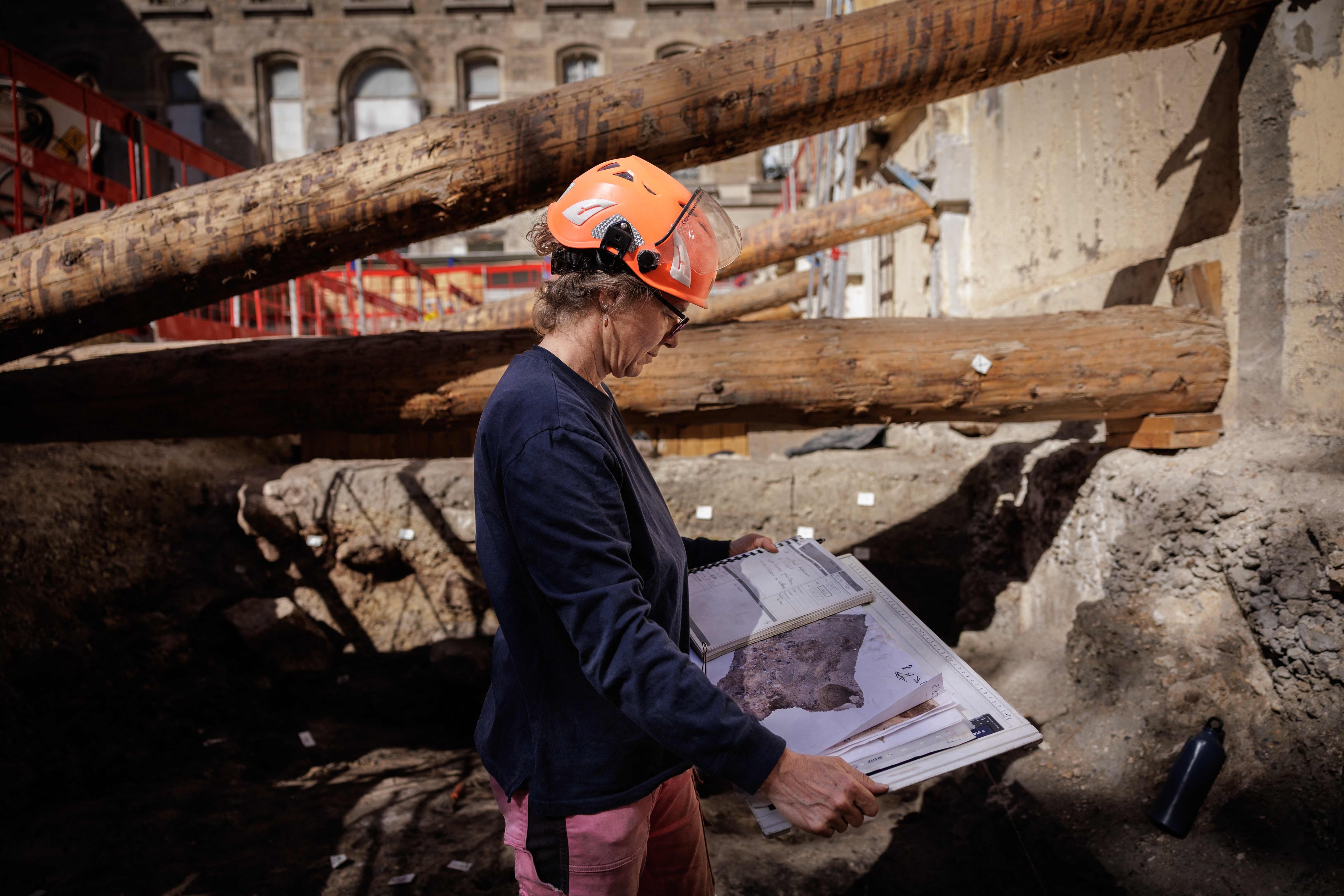
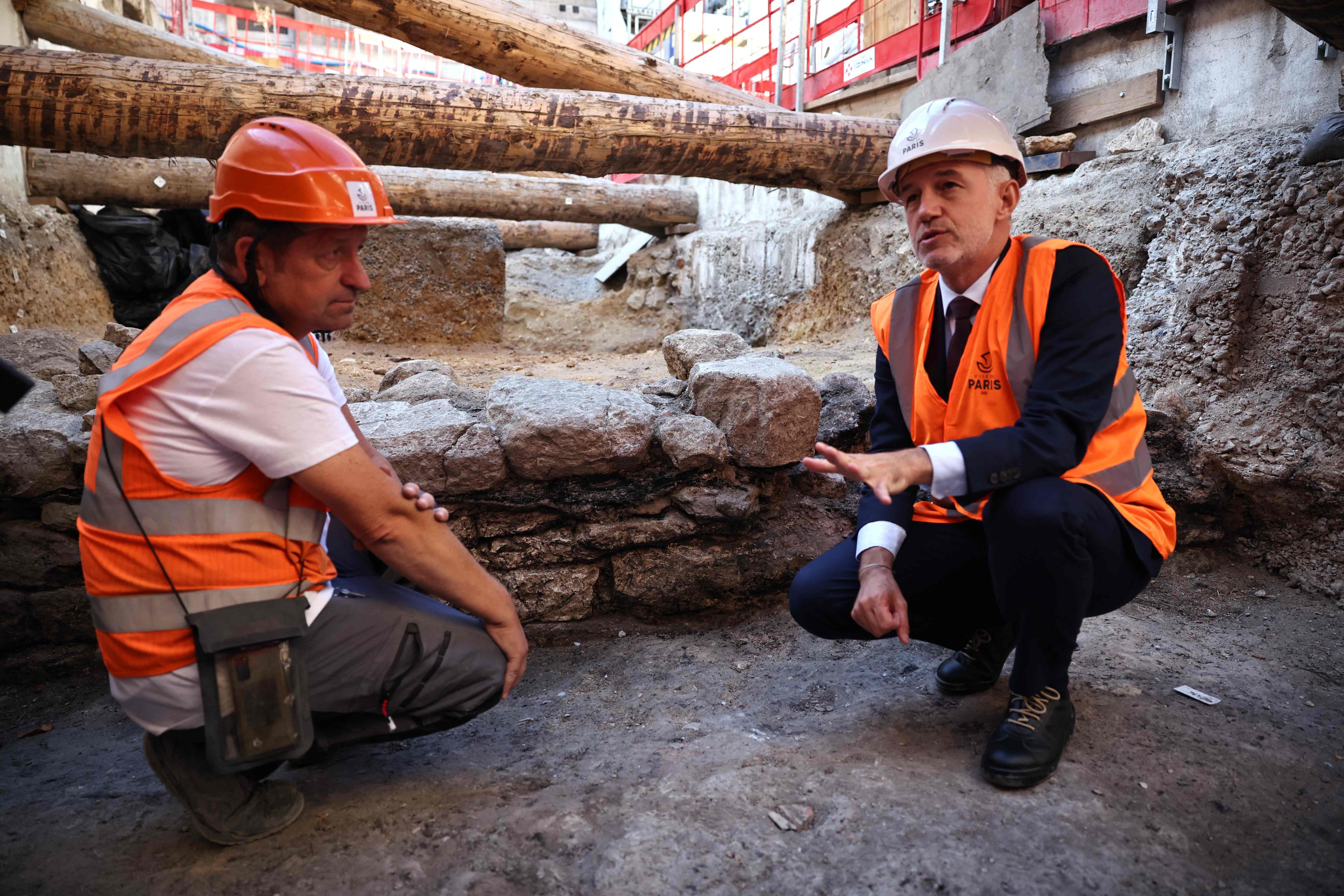
“It's dizzying to find oneself here and to discover what is probably the origin of the city of Paris,” the city's mayor Emmanuel Gregoire said on Wednesday, while examining the wall. The wall, which had been buried four metres deep in a courtyard of the Hotel-Dieu hospital, the oldest in the French Capital, is barely a metre high.
How does the wall confirm the city's origin?
The wall, dating from the Gallo-Roman period, may have settled a long-standing debate on the location of the city's original settlement, AFP reported.
The stone-and-wood structure is thought thought to be a part of the ramparts of Lutetia – the ancient name for Paris – and was probably built by the Gallic Parisii tribe, which lived along the river Seine in the Iron Age. The name Paris comes from this tribe, which Parisii, a Celtic-Gallic tribe that settled along the banks of the Seine River around 250 BCE, and is associated with the origin of the city.
The Ile de la Cite has traditionally been regarded as the centre of Lutetia, the place where the tribe originally settled. However, a rival theory, backed by archaeological research, had suggested that they had a stronghold in the western suburb of Nanterre, thus making it the location of the city's origin.
‘One of the most important remains ever for understanding Lutetia’
The discovery of the wall in Ile de la Cite has emerged as substantial evidence of the origin of the city, with French culture minister Catherine Pegard calling it a “major breakthrough.”

Lutetia was first mentioned in the seventh book of Roman leader Julius Caesar's "Gallic Wars" series. In the book, it was said to be on an island in the river Seine linked by bridges, a vague description which had given rise to many theories about its location.
“We may be looking at one of the most important remains ever discovered for understanding Gallic Lutetia,” AFP cited Pegard as saying. However, the minister urged “scientific caution”, saying this would still need verification of the wall's function and chronology.
“…But the convergence of evidence is particularly remarkable at this stage,” Pegard added.
Traces of fire on wall correspond to Julius Caesar's account
The wall also bears traces of fire and the charred evidence is estimated to date from between 10-200 BC, when verified through the carbon-dating process. This may correspond to Caesar's account of the Gauls setting their town on fire before the Battle of Lutetia against the Romans, AFP reported.
According to the French culture ministry, the timeframe includes the Battle of Lutetia, which took place in 52 BC. Dorothee Chaoui-Derieux, coordinator of archaeological operations in Paris for the culture ministry, said they were “fortunate to be in the right place at the right time.” “All of our predecessors dreamed of finding traces of Gallic presences on the Ile de la Cite,” AFP cited Chaoui-Derieux as saying.
The coordinator said there had been a lot of speculation on the origin of Paris. “Beneath our feet, thanks to the trowels of our colleagues, this wall built in the Gallic tradition is gradually revealing its secrets,” she added.
See Less


US Treasury yields hit 2007 highs: Why rising bond rates are worrying investors
By Sohail Khan · 24 Sep
Tech industry calls on Trump administration to withdraw new H-1B visa fee
By Sohail Khan · 24 Sep
Leave a Reply