Don’t use this silver-cleaning hack on pearls, opals and these other stones
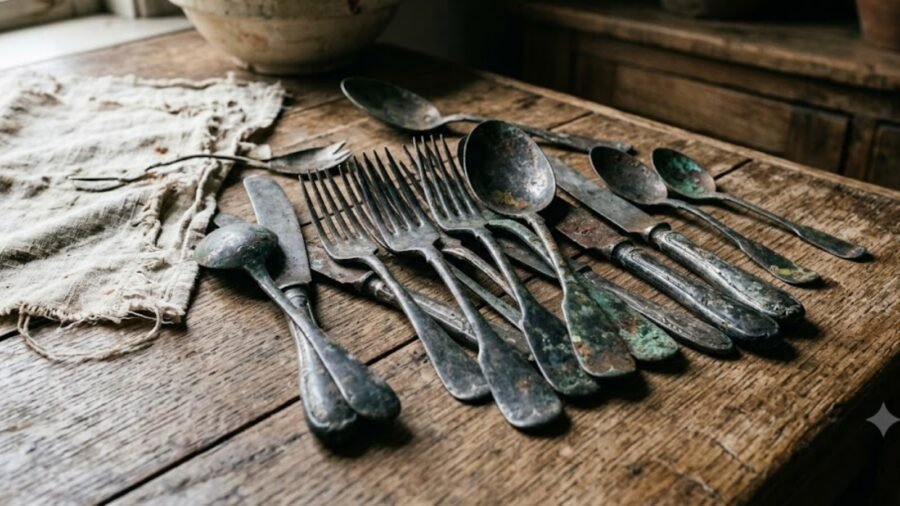
Former MasterChef India winner Pankaj Bhadouria recently shared a kitchen hack to clean tarnished silver jewellery and silverware using ingredients commonly found at home.
“To clean tarnished silver jewellery or silverware, just follow this kitchen hack, my nuskha. Soak the silver in hot water with some salt and baking soda,” she explained.
According to Bhadouria, baking soda and salt help transfer electrons between the tarnished silver and aluminium. The sulphur responsible for the tarnish, or silver sulphide, is pulled away from the silver and bonds with the aluminium instead, leaving the silver clean.
Story continues below.
Subscribe to see fewer ads.
But does this kitchen hack actually work? And is it safe for every piece of silver you own? Krishan Kumar Dal, Department Lead, Product Design, Pearl Academy, Jaipur, explains.
Does the aluminium foil and baking soda method actually clean silver?
Yes, the method works, and there is chemistry behind it, says Dal. However, he cautions that it is not appropriate for every silver object.
“When tarnished silver comes into contact with aluminium foil in a solution of hot water, baking soda and salt, a reaction known as ‘ion exchange’ occurs,” Dal explains.
Story continues below this ad
Aluminium is more reactive than silver, so the sulphur preferentially bonds with the aluminium. As a result, the sulphur is transferred from the silver surface to the aluminium foil, which may develop a dull, yellowish-brown stain.
The important part, according to Dal, is that the process does not remove the actual silver metal. “This process does not remove any actual metal from the silver, unlike polishing, which wears away a microscopic layer with every use,” he says.
Can you use this hack on all silver jewellery?
While the method may generally suit plain sterling silver, Dal says to avoid it on several types of jewellery and silverware.
This includes:
* Antique silver
* Oxidised silver
* Silver-plated items
* Jewellery with pearls
* Opals
* Turquoise
* Coral
* Pieces with delicate or adhesive-based settings
Story continues below this ad
Antique and oxidised silver can have a deliberately darkened finish that contributes to the piece’s appearance. The chemical reaction could strip away that finish.
Thin silver plating can also be vulnerable. “Silver-plated items might suffer pitting or uneven discolouration due to the chemical reaction,” Dal says.
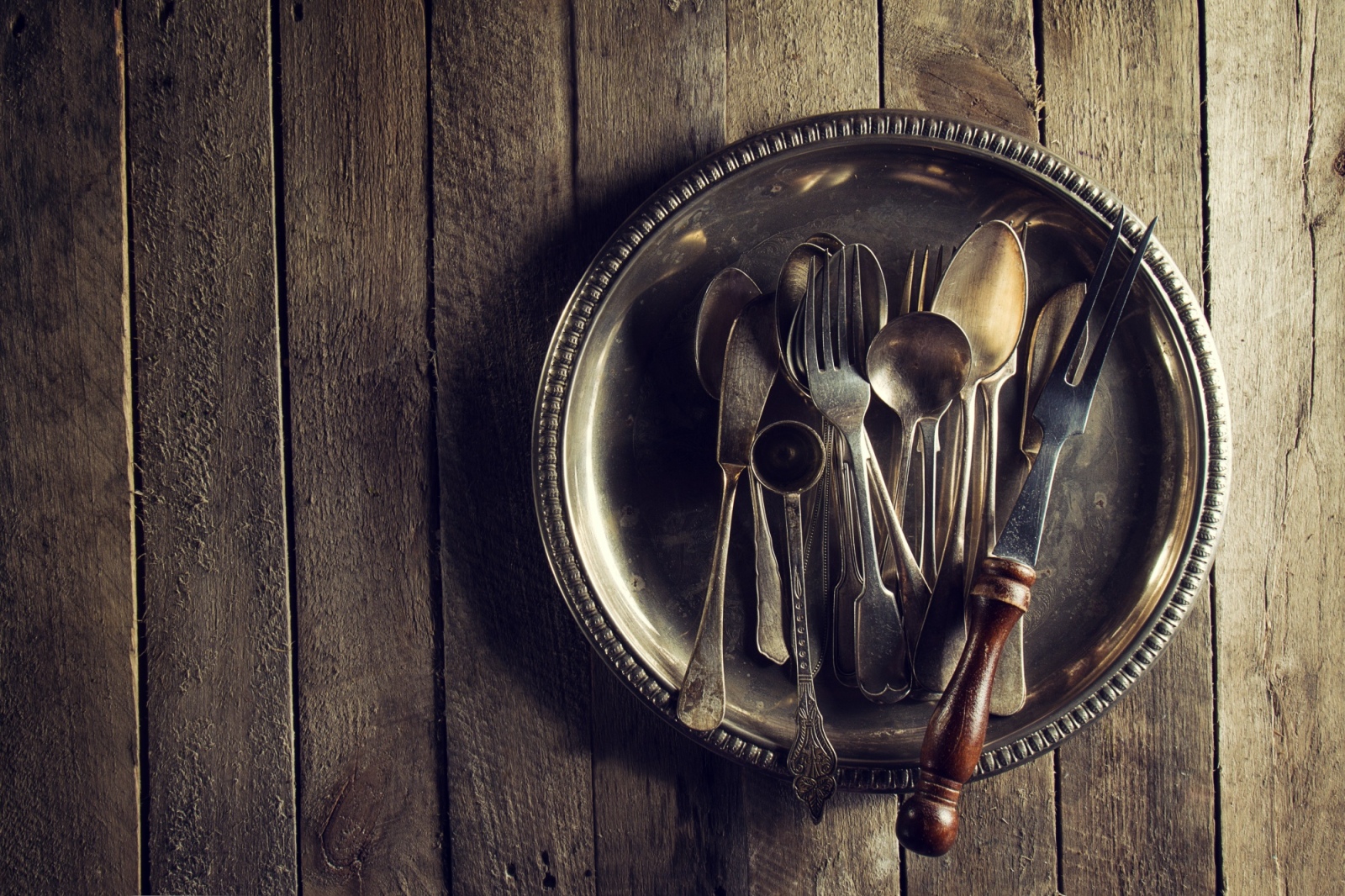 Tips to clean silverware using kitchen essentials
What about silver jewellery with gemstones?
Dal cautions that heat and the chemical solution can damage delicate gemstones. Stones such as pearls, opals, turquoise and coral may become cloudy, crack or otherwise deteriorate.
The setting itself is also at risk. “Adhesive-based settings may loosen,” he says.
Story continues below this ad
For valuable, antique or sentimental jewellery, professional cleaning is therefore a safer option because the material, finish, stones and construction can be assessed before choosing a cleaning method.
What is the safest way to clean everyday silver?
Dal recommends washing it with mild dish soap and lukewarm water, then rinsing with clean water and drying thoroughly with a soft cloth.
“If stains or tarnish persist, use a silver-polishing cloth or a silver cleaner specifically recommended for that type of silver,” he says.
The aluminium foil, baking soda and salt method can be considered for suitable plain silver, but it is best avoided when the piece has gemstones, special finishes, plating, antique detailing or significant sentimental or monetary value.
Story continues below this ad

Rohit Roy on brother Ronit Roy’s ‘bad boy’ phase: ‘We lived in constant fear’
By Sohail Khan · 22 Sep
What is the White House press pool, what its boycott of Trump can mean
By Sohail Khan · 22 Sep

Leave a Reply