Ankita Konwar completed an Ironman while injured and on her period: ‘Do not try this if…’
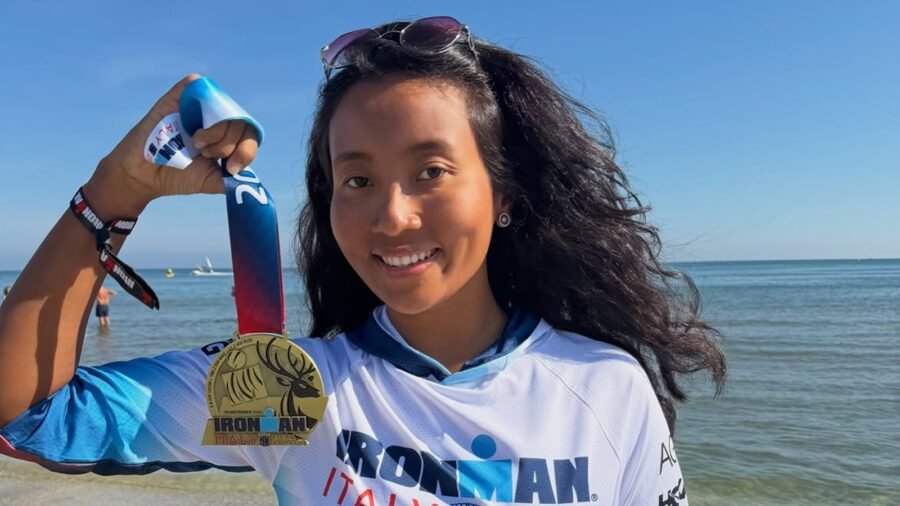
Ankita Konwar, who is married to actor and model Milind Soman, has done it again. The triathlete took part in the 2026 Ironman Wales, and this time, she was injured and bleeding while at it. Taking to social media, she shared: “Reminder – do not try this if you’re unsure. Finished another full Ironman with an injury and while on my period. And to think that Wales was just 6 days ago. Recovery time now. More on this later,” in the caption of her Instagram post.
Dr Gaana Sreenivas, Obstetrician & Gynaecologist at Bone and Birth Clinic and Rainbow Hospital, Bannerghatta Road, says that a woman being on her period does not automatically mean she should avoid endurance exercise or competition. However, she adds that the decision should depend on the event’s intensity, the severity of symptoms, the nature of any injury, and the individual’s training status.
Story continues below.
Subscribe to see fewer ads.
For an endurance event such as an Ironman, Dr Sreenivas says that hydration, adequate carbohydrate and iron intake, recovery and injury assessment become particularly important.
“If there is an acute injury, especially involving a joint, muscle or bone, competing should not be used as a test of tolerance. Pain that changes movement mechanics, causes instability, significant swelling or progressively worsens warrants medical assessment before participation,” she tells indianexpress.com.
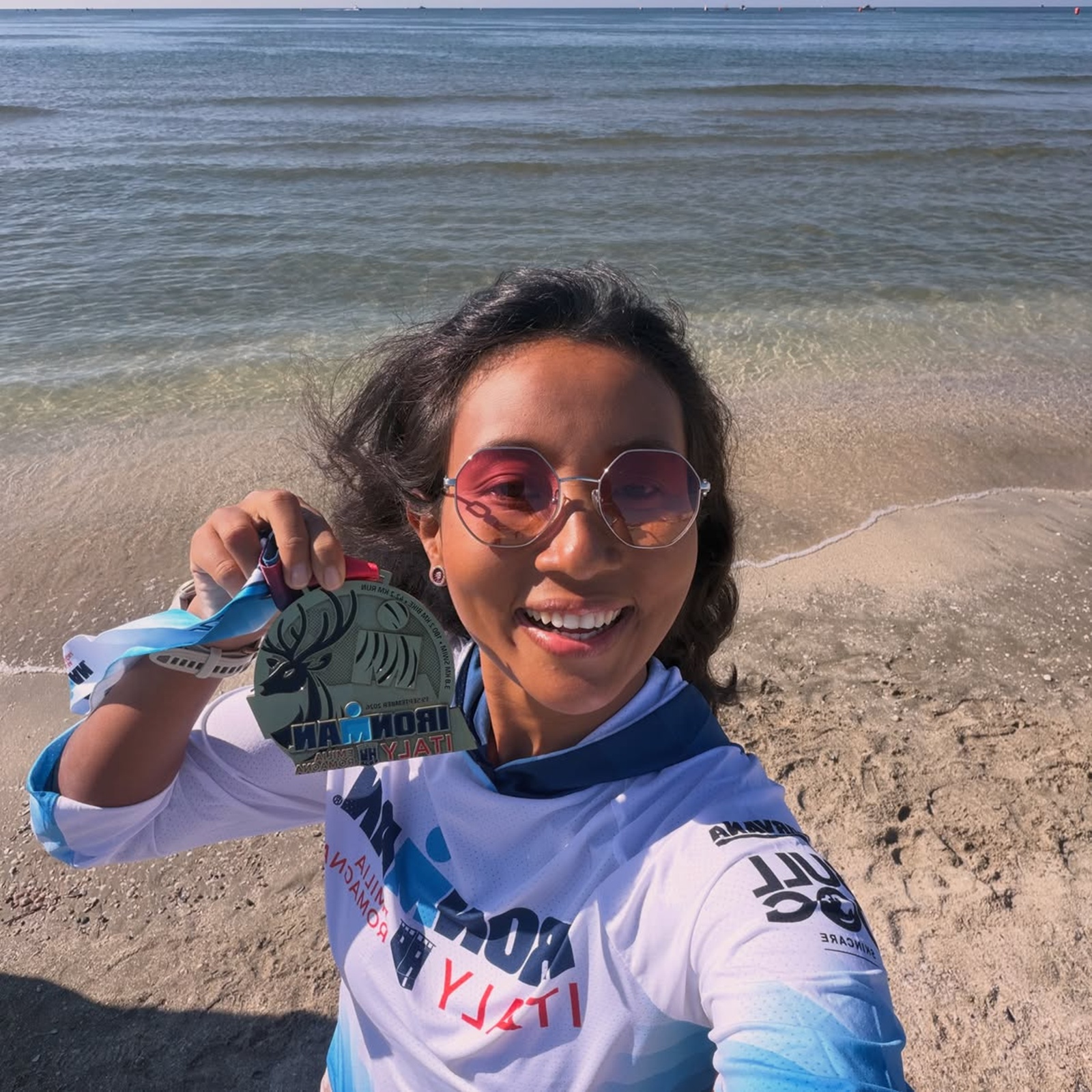 Ankita poses with her medal. (Source: Instagram/@ankita_earthy)
What to note when on your period?
Dr Sreenivas says menstrual symptoms need to be considered individually.
“Cramps, heavy bleeding, dizziness, nausea, headaches or unusual fatigue can affect exercise tolerance. Along with that, women with unusually heavy periods should also be evaluated for iron deficiency or anaemia, particularly if they participate in endurance sports,” she points out.
Do’s and don’ts to follow
Do:
Story continues below this ad
• Ensure adequate hydration and electrolyte replacement, particularly during prolonged endurance events.
• Eat sufficiently before and during the event, with appropriate carbohydrate intake to maintain energy availability.
• Pay attention to iron intake, especially in women with heavy menstrual bleeding or a history of iron deficiency.
• Use appropriate menstrual products that have been tested during training rather than trying something new on race day.
• Have any significant injury assessed by a sports medicine professional or physiotherapist before competing.
• Listen to symptoms during the event. Unusual dizziness, fainting, breathlessness, chest discomfort, severe weakness or worsening pain should not be ignored.
Do not:
• Do not assume that being on the period means performance will necessarily be poor or that exercise is unsafe.
• Do not push through significant injury-related pain simply because the event is important.
• Do not drastically restrict food or fluids in an attempt to manage weight before an endurance event. Low energy availability can affect menstrual health, bone health, recovery and athletic performance.
• Do not take painkillers routinely just to suppress symptoms and enable participation without considering their potential risks, particularly during prolonged endurance exercise and dehydration. Discuss medication with a doctor when necessary.
• Do not use race day to discover how the body responds to a particular supplement, medication, hydration strategy or menstrual product.
In democracy’s journey to future, Gandhi is the wise guide and co-traveller
By Sohail Khan · 3 Oct
Delhi’s new master plan can soothe parking pains
By Sohail Khan · 3 Oct
Unwise to ignore what Xi’s US visit pageantry masked
By Sohail Khan · 3 Oct
Leave a Reply