UPI MDR: What it means for consumers?
Synopsis
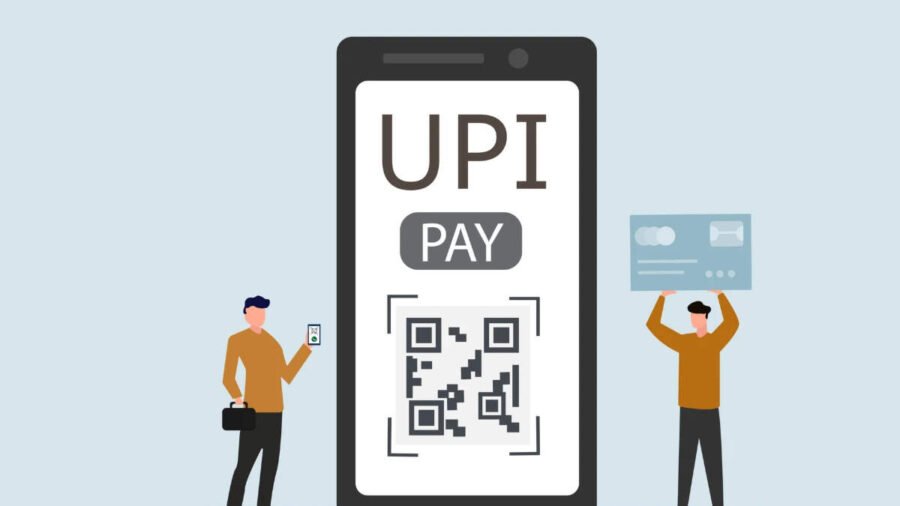
Starting from October 15, 2026, a new 0.4% transaction fee will be applied to UPI payments exceeding Rs 2,000, while lower amounts and peer-to-peer transfers will still be free. As some merchants may choose to adjust prices accordingly, customers should stay vigilant, checking for any surcharges at checkout to ensure they understand all costs involved. Transparency and quality of service will be vital as these changes are implemented.
 Getty Images
For millions of Indians, paying by UPI has become as natural as reaching for a wallet. Scan, tap, done, and never a thought about fees. That quiet assumption faces its first real test on October 15, 2026, when the National Payments Corporation of India's (NPCI) revised Merchant Discount Rate (MDR) framework takes effect, six years after the government made UPI transactions free for merchants. The new rules introduce a 0.4% fee on eligible person-to-merchant payments above Rs 2,000. On paper, customers pay nothing. The real question for shoppers is whether that stays true at the checkout counter.
What changes, and what doesn't, for customers
For most everyday payments, nothing changes. Transactions up to Rs 2,000, which cover groceries, fuel, auto fares, and restaurant bills for most households, remain free. Sending money to family and friends through peer-to-peer transfers stays free regardless of amount. Small merchants processing under Rs 1,00,000 a month through UPI QR codes are fully exempt, so the neighbourhood kirana store has no new cost to pass on.
The fee applies to larger purchases, capped at Rs 300 for transactions of INR 75,000 and above. A merchant would pay Rs 20 on a Rs 5,000 purchase and Rs 300 on a new laptop or a year's school fees. NPCI estimates only about 4% of merchant transactions will be affected, but those tend to be the purchases customers plan and budget for most carefully: appliances, electronics, medical bills, and travel bookings.
Where the money goes, and what customers should get in return
Banks and payment providers have welcomed the framework, arguing that zero MDR left them absorbing the costs of fraud prevention, infrastructure, and compliance. Under NPCI's proposed split, roughly 40% of the fee goes to issuing banks, 30% to consumer-facing apps, and 30% to acquiring partners.
For customers, this raises a fair expectation. If the system is now earning money on high-value payments, users should see the benefits: fewer failed transactions, faster refunds, stronger fraud protection, and quicker resolution when something goes wrong. Some bankers argue the INR 300 cap is still too low to fund proper security on large transactions, which is exactly where a fraud hurts a customer most. Either way, the fee's legitimacy in the public eye will depend on whether service visibly improves.
Will the cost reach the customer's bill?
UPI apps are barred from charging consumers directly, but consumer advocates doubt the line will hold. A 0.4% fee on an Rs 3,000 order is just Rs 12, and a merchant rounding prices up by Rs 5–10 to recover it would be nearly impossible to trace. Mid-sized retailers are the most likely to do this. Trade groups warn that shops just above the Rs 1,00,000 monthly threshold, lacking the bargaining power of large chains, will feel the pinch hardest, and thin margins leave little room to absorb new costs. It also remains unclear what share of merchants will qualify as small, so customers cannot easily tell which stores are affected.
There is a quieter risk too. Some shops may nudge customers toward cash or bank transfers for big purchases, or split one bill into smaller payments. That takes away the convenience and digital record that made UPI appealing in the first place, and can weaken a customer's ability to trace or dispute a transaction later.
Why customers should watch what comes next
Policy watchers see this less as a crisis and more as a precedent. UPI's global reputation rests partly on being free, and today's narrow carve-out could widen through a lower threshold or a higher rate in future revisions. For customers, the safeguard lies in transparency: public data on how much is collected, who pays it, and whether prices or service quality shift as a result.
Shoppers can play their part as well. Comparing prices for big-ticket items, asking merchants directly about any "UPI surcharge," and reporting such charges to their bank or app are simple ways to keep the no-charge-to-consumers rule meaningful.
As October 15 approaches, the debate returns to a basic tension: keeping the world's largest real-time payments network commercially sustainable without losing the low-cost, high-access model that won customers over. From where the customer stands, a fee is only "small" if it stays invisible and the service keeps getting better.
(Disclaimer: The opinions expressed in this column are that of the writer. The facts and opinions expressed here do not reflect the views of www.economictimes.com.)
(Join our ETWealth WhatsApp channel for all the latest updates)
Add 

(Catch all the Personal Finance News, Breaking News, Budget 2025 Events and Latest News Updates on The .)
…more

Auto industry welcomes CAFE-III norms
By Sohail Khan · 30 Sep
CAFE-III 2027: What car buyers need to know
By Sohail Khan · 30 Sep
Delhi ITMS: Rs 1,789 crore traffic plan explained
By Sohail Khan · 30 Sep
Leave a Reply