R Madhavan turned ₹17.5-crore Mumbai home’s balcony into an organic garden — how you can too
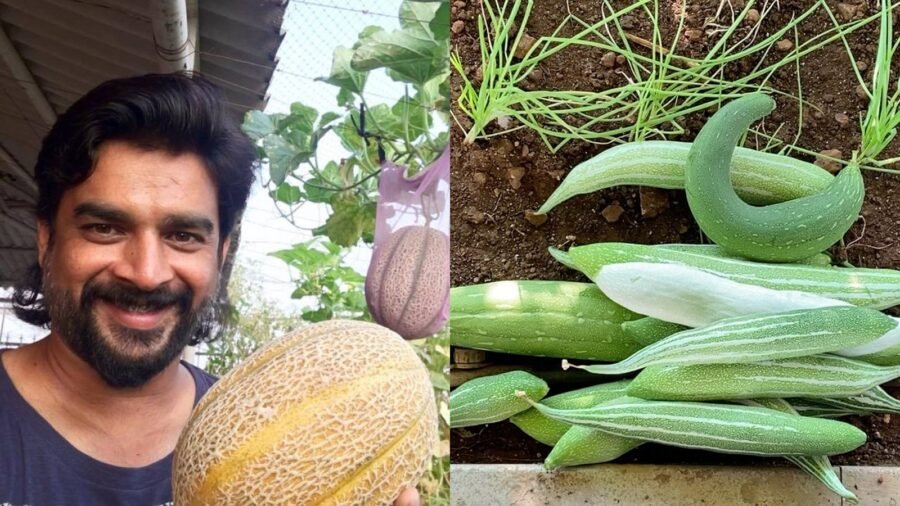
Did you know that besides being a seasoned actor and filmmaker, R Madhavan also has a green thumb? In a 2017 interview, the Dhurandhar actor explained that his love for organic farming grew out of concerns about the nutritional value of modern produce and the spread of genetic modification. Lots of research and reading helped him turn the balcony of his Rs 17.5 crore home in Mumbai into an organic garden.
“My terrace garden takes care of almost 70 per cent of my seasonal vegetable requirements,” Madhavan had shared during the interview with , revealing that he grew lady’s finger, aubergine, broccoli, tomatoes, cucumbers, and other seasonal crops over the years.
Story continues below.
Subscribe to see fewer ads.
Shireesh Sharma, leading gardening influencer and founder of Bonsai and Gardening Zone, says that organic terrace or balcony gardening goes beyond replacing chemical fertilisers with organic alternatives. “It is about creating and nurturing a healthy ecosystem within a limited space, where healthy soil, appropriate watering, seasonal planting, and preventive pest management work in harmony,” he tells indianexpress.com.
When any one of these elements is overlooked or fails, he believes it can disrupt this delicate ecosystem, leading to poor results, plant losses, and, most importantly, a loss of confidence among beginners.
View this post on Instagram
A post shared by R. Madhavan (@actormaddy)
For anyone getting into the art of gardening, he shares a few simple practices to help transform your space into a thriving organic green haven:
1. Start with waterproofing
Before starting an organic farm, get professional waterproofing to avoid seepage problems.
2. Focus on healthy soil
Sharma says that the foundation of an organic garden is healthy soil.
Story continues below this ad
“Start with a living, well-drained growing medium which should be rich in organic matter, and not ordinary garden soil. Avoid filling containers with heavy garden soil alone, as it can become compacted and restrict root growth,” he suggests.
According to him, a good growing medium should combine “quality compost/vermicompost, cocopeat, neem cake powder, one teaspoon of trichoderma (bio fungicide) and soil in appropriate proportions”, while ensuring excellent drainage.
3. Make water management your top priority
Sharma believes overwatering is one of the most common reasons plants fail.
- Every container should have adequate drainage holes, and they should never be blocked by compacted soil.
- Water only when the plant actually needs it.
- Check the moisture a few centimetres below the surface rather than following a fixed daily schedule.
- During the monsoon, move vulnerable pots to a covered area or reduce watering because excess moisture can encourage root rot and fungal problems.
4. Prevention as first line of organic pest management
Sharma says, “Don’t wait until a pest infestation becomes severe.”
Story continues below this ad
- Regularly inspect the underside of leaves and new growth for aphids, mealybugs, whiteflies, caterpillars and other pests.
- Maintain good air circulation, remove severely infected leaves and keep the garden area, along with other terrace or balcony corners, clean.
- Neem oil-based preparations, insecticidal soap, and other organic pest-management methods can be useful when applied correctly.
- Follow recommended dilution guidelines, and avoid spraying in intense sunlight or when pollinators are actively visiting flowers.
5. Start with beginner-friendly veggies
Sharma suggests picking easy-to-grow produce like brinjal, okra, bottle gourd, sponge gourd, beans and coriander.
“A successful organic garden is one that works with nature. Beginners should start with seasonal vegetables and herbs that suit their local climate rather than trying to grow everything throughout the year,” he concludes.
R Madhavan has been trending on Google for the past 24 hours.

Hindi Diwas: How the Constituent Assembly settled India’s language row
By Sohail Khan · 14 Sep

India needs a smarter SIR. Aadhaar can help
By Sohail Khan · 14 Sep
Leave a Reply