Mule or donkey: How to tell them apart
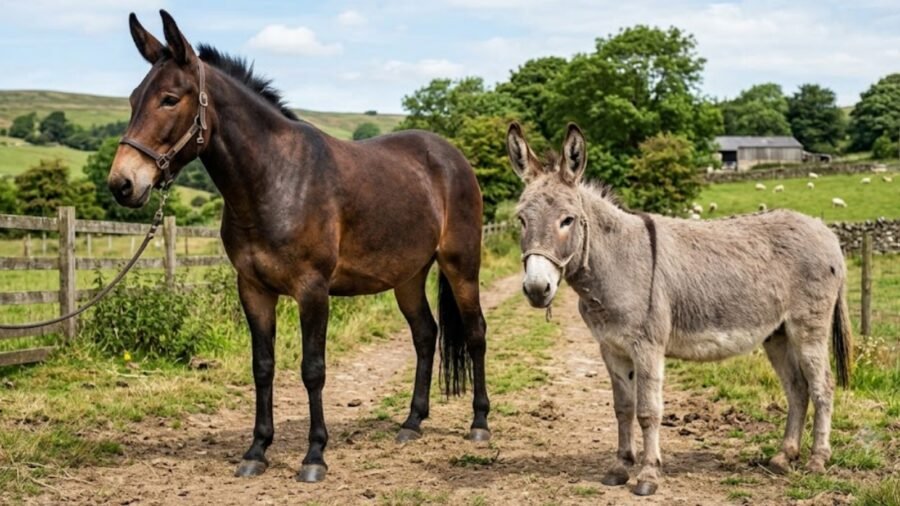
Mules and donkeys are often confused because of their similar appearance and long history of use in human transport and farm work. But they are genetically different, and a mule is not a separate species in the same way a donkey is.
“A donkey is a true species, Equus africanus asinus, with 62 chromosomes and can reproduce normally,” said Dr Vinod Sharma, Head of Veterinary Services and Director at DCC Animal Hospital, Gurugram.
“While a mule is a hybrid—the offspring of a male donkey and a female horse—with 63 chromosomes, 31 from the donkey and 32 from the horse,” Dr Sharma explained.
Story continues below.
Subscribe to see fewer ads.
This difference in chromosome number also plays an important role in their ability to reproduce.
Why are mules usually sterile?
A donkey has 62 chromosomes, while a horse has 64. Their mule offspring therefore inherits an intermediate total of 63 chromosomes.
“Because of this odd chromosome number, almost all mules are sterile, while donkeys breed freely,” Dr Sharma said.
Story continues below this ad
The mismatched chromosome set makes it difficult for chromosomes to pair properly during reproduction, which is why mules generally cannot produce offspring.
Are mules stronger than donkeys?
Both animals are known for their strength and ability to work in demanding conditions, but their physical capabilities differ. “Mules are usually larger and more muscular than donkeys and show hybrid vigour, giving them greater strength and stamina for their feed intake,” Dr Sharma said.
Donkeys, meanwhile, are strong for their size but generally carry lighter loads and have lower absolute pulling power than mules.
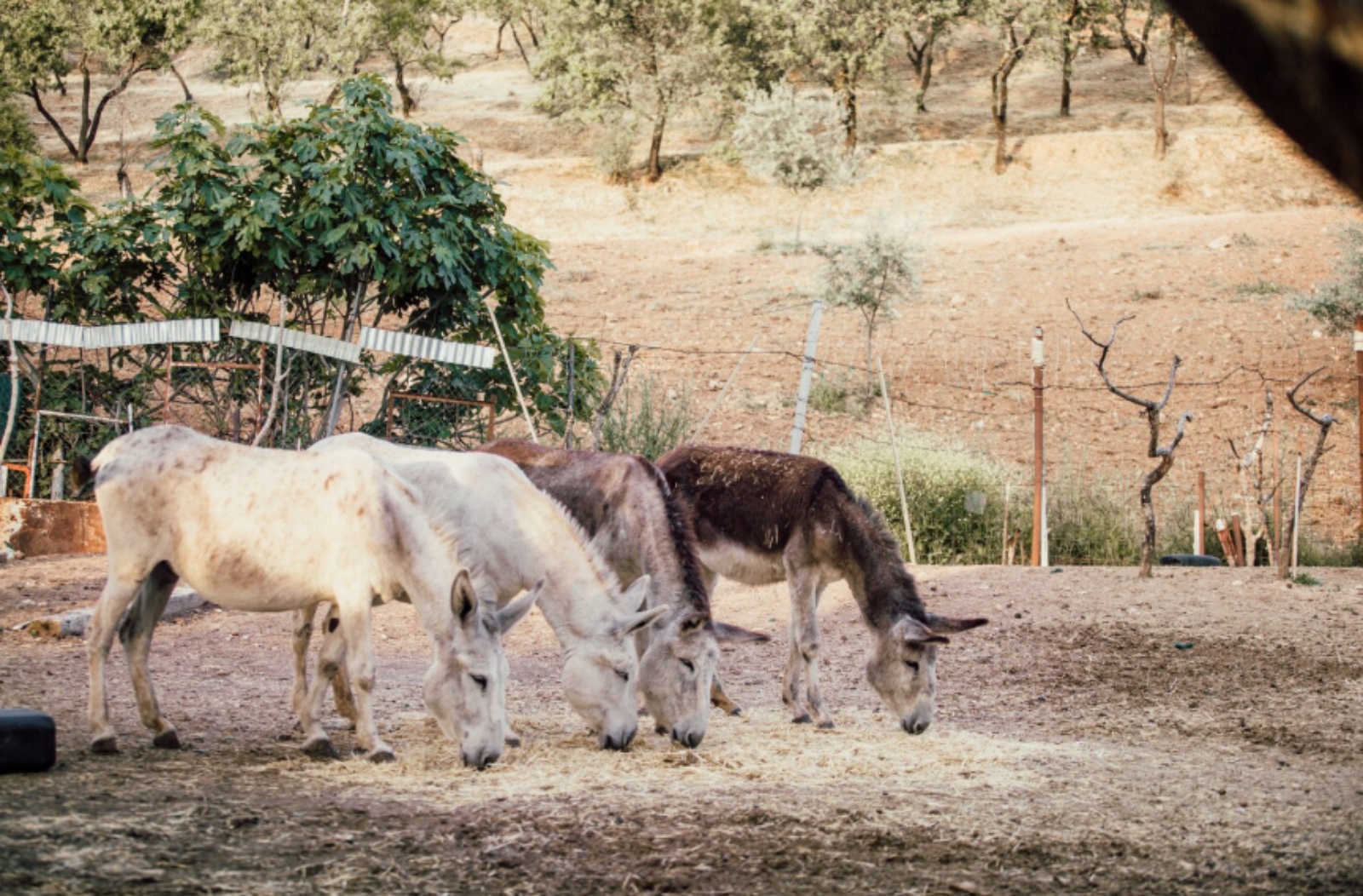 Donkey vs mule
How do their temperaments differ?
“Donkeys are cautious, patient and deliberate, and strongly self-preserving; they can seem stubborn when they sense danger,” Dr Sharma explained.
Story continues below this ad
Mules inherit some of this caution and sure-footedness from donkeys while also gaining traits associated with horses, including speed and agility. “Mules inherit donkey caution and sure-footedness, plus horse speed and agility,” Dr Sharma said. They are often described as intelligent and calm under stress.
Where are donkeys and mules traditionally used?
Donkeys have traditionally been used as pack animals, for light riding and for small-scale transport. They are particularly valuable for carrying goods and water and for farm work that does not require heavy machinery.
“Mules are prized for heavier pack and draft work, mountain transport and pulling carts or wagons,” Dr Sharma said.
Their endurance, strength and sure-footedness have historically made them useful in challenging terrain, including mountains. Mules have also been used in activities such as mining and military transport, where animals needed to carry heavy loads over difficult routes.
Story continues below this ad
Explore more captivating stories about pets and animals here, and make us your daily stop for the latest from the animal kingdom.

Donald Trump is trying to rename AI. That won’t solve any of its problems
By Sohail Khan · 24 Sep
Subsea cables: The many vulnerabilities of the world’s most critical digital lifelines
By Sohail Khan · 24 Sep

Leave a Reply