Microplastics in bottled water: What 240,000 particles per litre means for your health
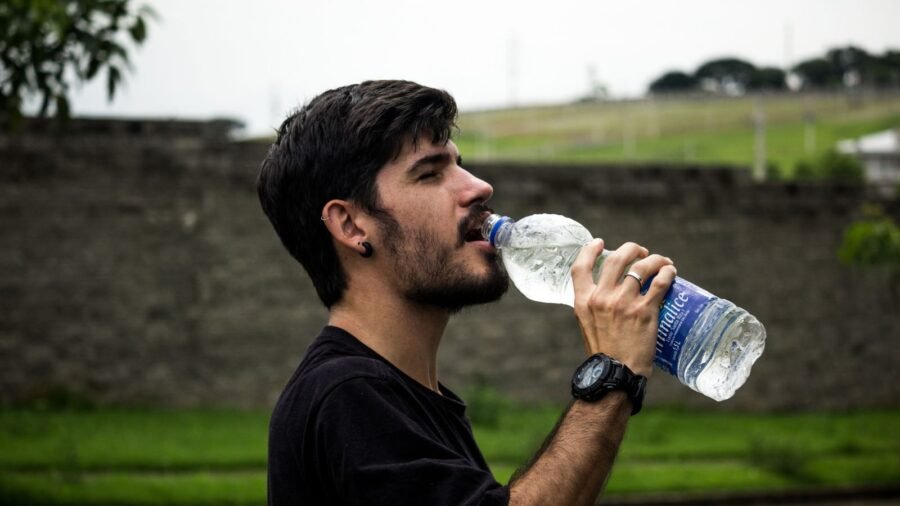
Microplastics are widely found in bottled water, and studies show that their levels can vary significantly depending on the water source, packaging, and storage conditions. Earlier research estimated that bottled water could contain thousands of microplastic particles per litre. However, newer studies suggest that these figures may have significantly underestimated the true extent of contamination.
Researchers at Columbia University developed a laser-based imaging technique called Stimulated Raman Scattering microscopy, which can detect particles far smaller than conventional methods. When they used it to analyse popular bottled water brands, they found an average of about 240,000 plastic particles per litre. However, most of these were nanoplastics—particles so tiny that they are measured in billionths of a metre, rather than millionths.
Story continues below.
Subscribe to see fewer ads.
But where does microplastic in bottled water come from?
Research published in Food Control found that simply opening and closing a bottle cap is a significant source of microplastic contamination. Each twist can cause friction between the cap and the bottle, releasing tiny plastic fragments into the water. Microplastics also enter the water through manufacturing, bottling, and environmental contamination.
Ankur Garg, country director, Evidence Action/EAII, a non-profit organisation, says, “Some particles come from the water itself, while some shed from the bottle or cap during manufacturing and transport.”
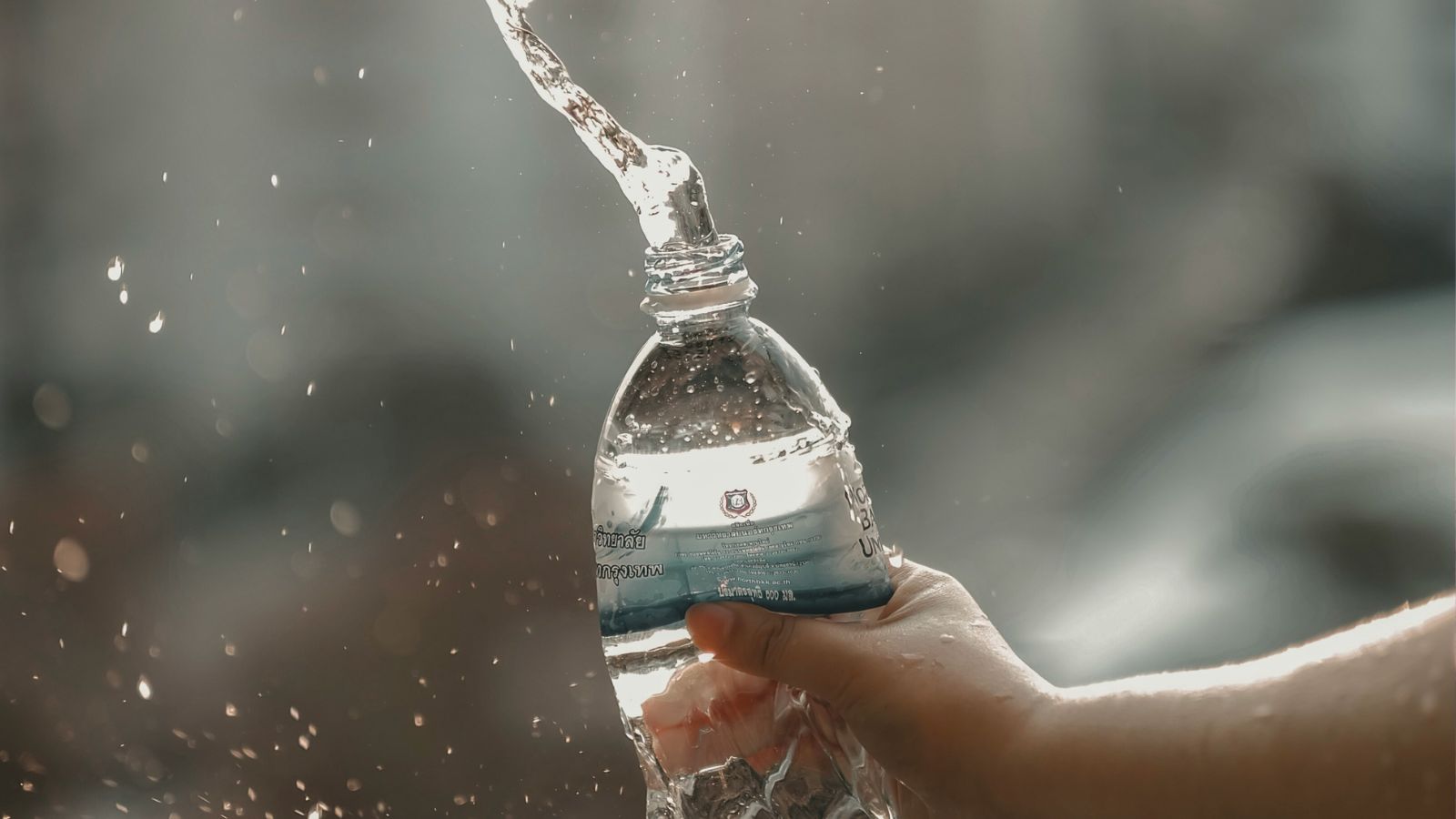 Repeatedly opening and closing a plastic bottle can release microplastic particles through friction between the cap and bottle neck.
What impact does it have on our health?
We ingest these particles when we drink the water, says Garg, adding that the World Health Organization has been clear that the evidence on their long-term health impact is still limited.
As per a report by ScienceInsights, “Most microplastics you swallow pass straight through your digestive system and leave your body in stool. Your gut lining is a reasonably effective barrier against larger particles.”
Story continues below this ad
The concern centers on nanoplastics, which are small enough to potentially cross the intestinal wall and enter the bloodstream.
The report says, “Studies have confirmed that plastic particles can reach the circulatory system and travel to other tissues, but researchers still can’t pin down exactly which particle sizes cross the barrier most easily, how much accumulates over time, or what concentration causes harm.”
Can boiling bottled water help remove microplastics?
Boiling bottled water should not be considered a reliable method for removing microplastics.
Dr Palleti Siva Karthik Reddy, MBBS MD general medicine, FAIG, Consultant physician at Elite Care Clinic says, “Heat may alter or deform some plastic particles, but it does not eliminate microplastics from water. In fact, heating water in a plastic bottle can potentially increase the release of plastic particles and other chemicals from the packaging, particularly if the bottle is exposed to high temperatures for prolonged periods.”
Story continues below this ad
But, there has to be a way to remove the microplastics in bottled water or at least minimise it.
According to Garg, good-quality filtration remains the most consistent way to reduce microplastics in drinking water. “Some advanced systems, including certain reverse osmosis and fine microfiltration technologies, can capture a meaningful share of smaller particles, though research on how well point-of-use filters perform on their own is still developing.”
But filtration only addresses the symptom. The larger and more durable solution is preventing plastic from entering our water sources in the first place.
To do this, Garg says, “we need to reduce plastic waste, strengthen waste management systems, and treat water sources as a public health asset worth protecting at scale, not something to be fixed one household filter at a time.”
Story continues below this ad

Women’s safety falls through the gap between intention and policy
By Sohail Khan · 28 Sep
Give India’s poor cash. But don’t stop there
By Sohail Khan · 28 Sep

Leave a Reply