Ankur Warikoo shares the best money advice he received: ‘The same 10,000 earned at two different jobs isn’t the same’

Story continues below.
Subscribe to see fewer ads.
According to Warikoo’s post, the same 10,000 earned at two different jobs isn’t the same. One makes you proud, while the other makes you miserable. “The same 10,000 spent isn’t the same. One becomes a lifelong memory. The other is just performative,” he added. “The same 10,000 invested isn’t the same. One feels like a warm hug. The other has you addicted to swiping down and refreshing the screen.”
Warikoo clarified that the colour of money “shows up in the job you take”. “The same salary feels different depending on the values of the company, the leadership, the culture. It shows up in the clients you work with. The same income feels different depending on how they treat you and the stress you wake up with,” he elaborated.
Understanding the psychology
Dr Rimpa Sarkar, clinical psychologist and founder of Sentier Wellness in Mumbai, says our relationship with money is rarely just about money. It is often tied to what money represents to us: safety, freedom, success, status, love, control or even self-worth.
“That is why the same amount of money can make one person feel secure, and another feel anxious, or make the same person feel happy in one situation and guilty or angry in another,” she says, adding that our early experiences with money, what we observed at home, financial uncertainty and the messages we received about wealth can all shape these emotional associations.
Story continues below this ad
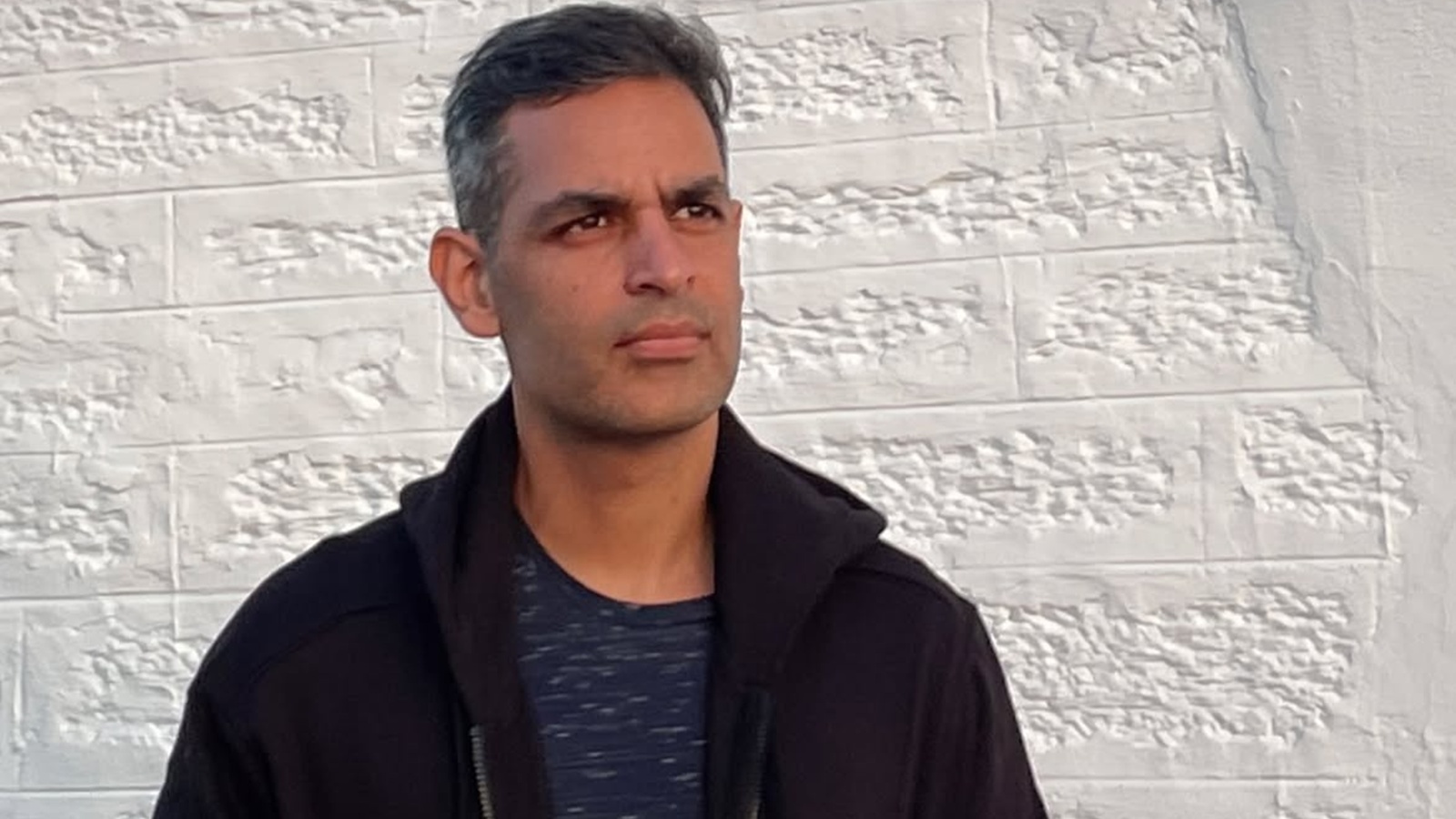 Warikoo’s advice goes beyond just numbers. (Source: Instagram/@ankurwarikoo)
Can you improve your relationship with money?
According to Dr Sarkar, improving our relationship with money starts with understanding what it means to us emotionally, rather than looking only at numbers.
“Someone may discover that they overspend when they feel deprived, become excessively frugal because spending feels unsafe, or measure their success through their bank balance. Once we recognise these patterns, we can start separating financial decisions from automatic emotional reactions,” she tells indianexpress.com.
At the same time, she opines that a healthier relationship does not necessarily mean spending more or saving more. It means using money in a way aligned with our values, without letting it constantly determine our emotional state.
“It can help to ask, ‘What do I want this money to help me experience or build?’ rather than simply asking, ‘Can I afford this?’ Money can then become a tool for security, experiences, relationships and meaningful goals rather than becoming the measure of our worth,” she adds.
Story continues below this ad
Finally, Dr Sarkar says that there is no single “right” colour of money. “The goal is to understand which emotional relationship with it leaves you feeling secure, intentional and in control, rather than fearful, guilty or constantly dissatisfied,” she concludes.

Sea level rise: Can a country retain its statehood even if it loses its territory?
By Sohail Khan · 28 Sep
No fuel without PUC in Delhi: What this certificate says about your vehicle
By Sohail Khan · 28 Sep
I wanted a minimalist wedding until I walked into Delhi’s Chandni Chowk
By Sohail Khan · 28 Sep
Leave a Reply