From 6 to 194: How Assam is bringing the pygmy hog back to the wild
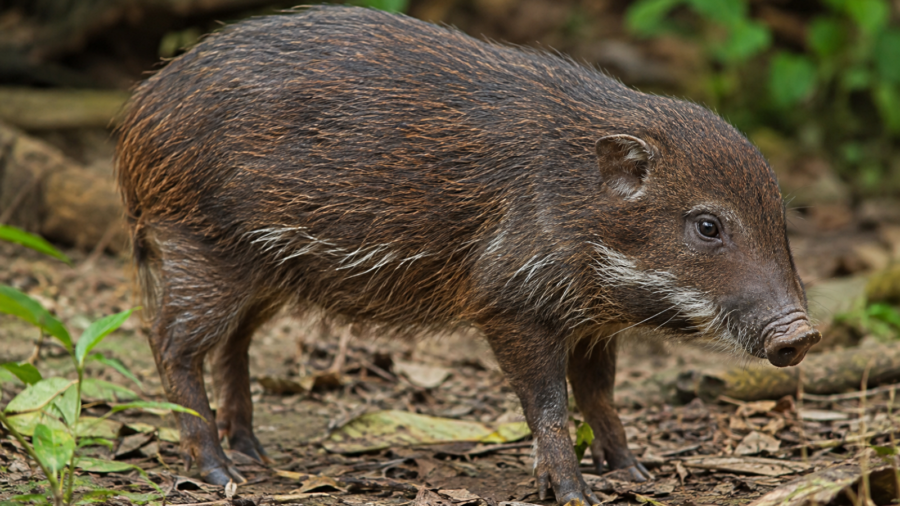
A tiny wild pig that once teetered on the brink of extinction is slowly making its way back into Assam’s grasslands.
The pygmy hog (Porcula salvania), India’s only endemic wild pig and one of the world’s rarest mammals, has been at the centre of a decades-long conservation effort. Assam Chief Minister Himanta Biswa Sarma recently posted about the effort on X, highlighting the species’ journey “From the brink of extinction to a new beginning in the wild.”
The numbers behind this comeback are striking: six pygmy hogs have become 194.
Story continues below.
Subscribe to see fewer ads.
From six animals to 194
The story began in 1996, when six pygmy hogs were captured from the Kuribeel grasslands of Manas National Park. They were brought into captivity as conservationists feared that the remaining wild population could disappear altogether. These six animals became the foundation of the Pygmy Hog Conservation Programme (PHCP).
Nearly three decades later, their descendants are returning home.
In June 2026, 15 captive-bred pygmy hogs — nine females and six males — were released into the Kuribeel grasslands. The release was particularly significant because there had been no confirmed signs of the species there for nine years.
From the brink of extinction to a new beginning in the wild. Assam’s conservation efforts are giving the pygmy hog another chance to thrive. Read more👇https://t.co/C3BTqKWjr3
— Himanta Biswa Sarma (@himantabiswa) September 7, 2026
Since 2020, six groups have been released in Manas, taking the national park’s total to 78. Across Assam, the programme has now bred and reintroduced 194 pygmy hogs.
But increasing numbers is only part of the challenge. The animals must now survive, reproduce and establish self-sustaining populations in the wild.
Why saving this tiny pig matters
Pygmy hogs are closely associated with the tall, wet grasslands of the Himalayan foothills. These grasses provide them with food, shelter and places to build nests and raise their young.
Story continues below this ad
However, habitat loss, invasive plants and human disturbance have affected these fragile ecosystems. This makes the pygmy hog important beyond its own survival. Conservationists consider it a flagship species for tall grasslands, meaning efforts to protect it can also help conserve the wider ecosystem.
The next step could take the species beyond Assam. The Ministry of Environment, Forest and Climate Change has included the pygmy hog in its Species Recovery Programme, with the Wildlife Institute of India as the nodal agency.
Potential habitats being considered include Jaldapara in West Bengal and suitable areas in Uttar Pradesh, although these landscapes will first need scientific assessment.
Meanwhile, the PHCP plans to release around 80 more pygmy hogs in Manas over the next five years, with a longer-term goal of building a wild population of around 300 by 2040.
Story continues below this ad
From six animals taken from the wild in 1996 to 194 bred and reintroduced today, the pygmy hog’s story is a reminder that conservation can give even species on the brink another chance — provided their natural habitats survive too.
Explore more captivating stories about pets and animals here, and make us your daily stop for the latest from the animal kingdom.

From Ralph Lauren to Fendi: Why Indian crafts are easy to borrow but hard to protect
By Sohail Khan · 17 Sep

Why melting glaciers could ‘put 20% of India’s GDP at risk’, and one change that can help
By Sohail Khan · 17 Sep
Leave a Reply