Eating rice every day? Dietitian reveals what to know about portion size, glycemic index and its nutritional value
Eating rice every day? Dietitian reveals what to know about portion size, glycemic index and its nutritional valuePublished on: Sep 4, 2026, 12:04:58 IST
Prefer HTon Google
Share via
Copy link
If you are eating rice everyday, here’s everything you need to know about portions, glycemic index and nutrition.
When portion sizes, food variety, and meal balance are in check, eating rice daily may offer health benefits. Rice is a staple food for many people as it helps one meet carbohydrate needs, which translates to energy payoff. However, the type and quantity of rice consumed can have significant effects on one's health status. In an interview with Lifestyle, Aastha Sharma, chief dietitian at Yatharth Super Speciality Hospital, Faridabad, revealed everything you need to know about rice before adding it to your everyday plate.
Also read | Is it actually worth it? Should you drink lemon water every morning? Expert breaks down the real benefits and myths
Portion control
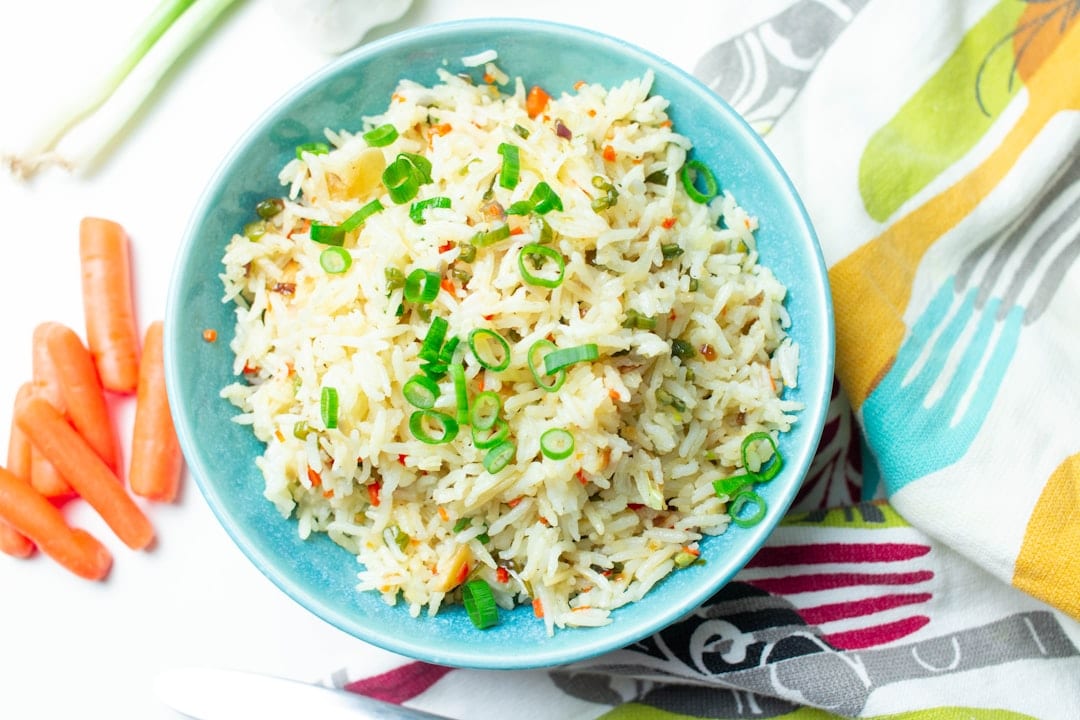
Aastha highlighted that people must learn to practice portion control because managing body weight and blood sugar levels may require them to keep the consumption of food at the proper amount. According to various dietary guidelines, a moderate portion size may vary between ½ and 1 cup of cooked rice.
Glycemic index
“White rice usually possesses a higher glycemic index and can rapidly elevate blood sugar,” said Aastha. Nevertheless, it does not mean that rice should be avoided altogether. People need to pay attention to portion sizes used and include rice in the diet alongside other nutritious foods. According to Mudit, examining the glycemic index closely reveals how different grains influence metabolic performance. Low-GI varieties rated under 53 release glucose gradually, providing steady, sustained energy.
Nutritional value
“It’s great to consume rice along with proteins and fibre,” suggested Aastha. For instance, from dal and curd to paneer, eggs, fish or chicken, including various vegetables and salads. Brown rice or minimally polished rice will have slightly higher fibre content, but white rice can also be consumed in moderation; a healthy diet hinges on the quality of food items consumed overall. Pairing that foundation with fibre rich lentils, fresh vegetables, and lean proteins improves overall satiety, aids digestion and naturally prevents overeating throughout the afternoon.
Should you stop eating rice?
“Eating rice every day fits naturally into a health-conscious lifestyle when guided by thoughtful daily choices. It's not about cutting out things we grew up eating but making healthier swaps. Keeping serving sizes to roughly one cooked cup per meal establishes a balanced baseline for steady energy,” said Mudit Goel, co-founder of Kkhavo.
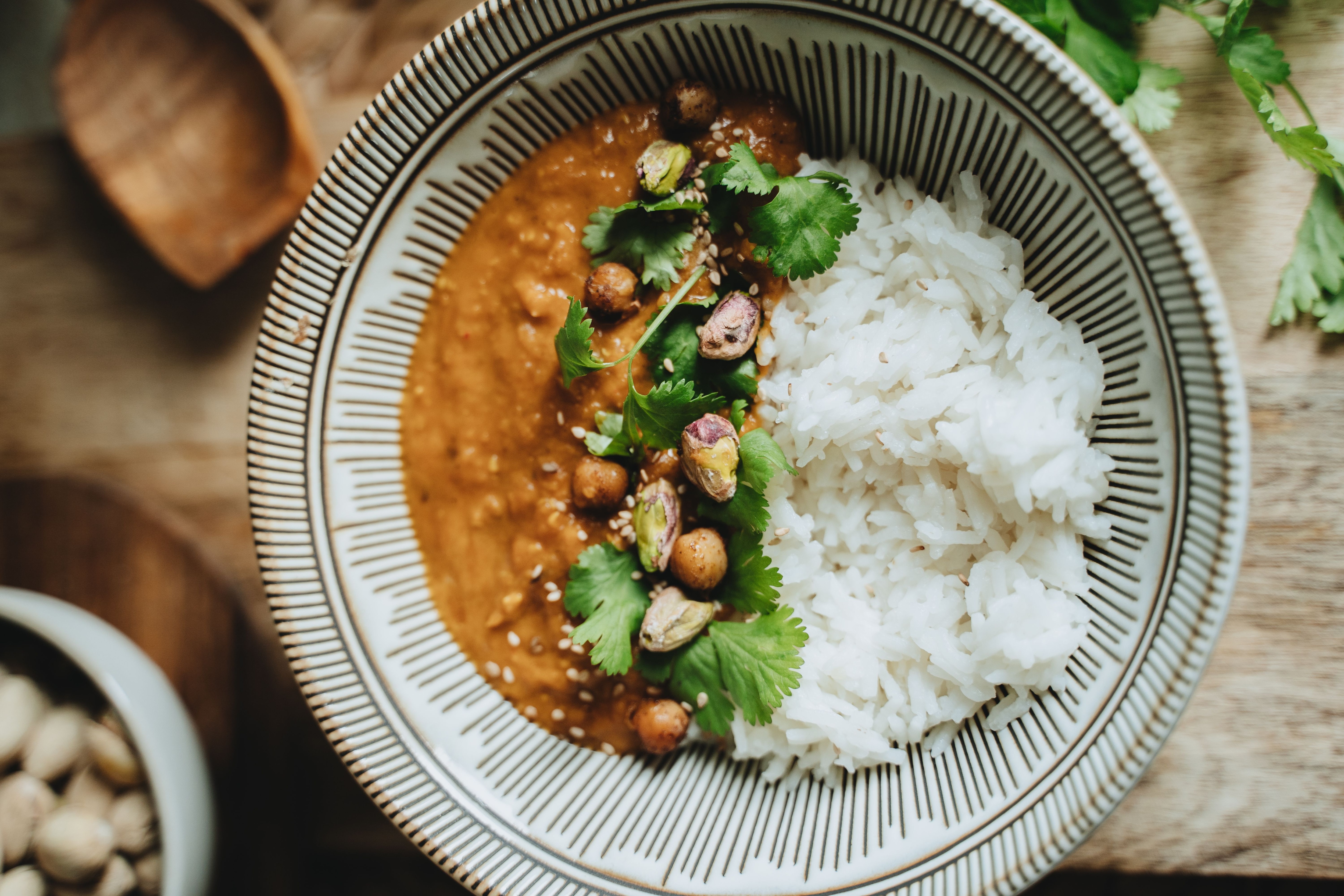
Rice earns a place well beyond that of a plain filler, becoming a genuine contributor to daily nutrition. Choosing whole grain and low-GI rice as part of everyday eating brings food tradition and considered health choices onto the same plate.
Note to readers: This article is for informational purposes only and not a substitute for professional medical advice. Always seek the advice of your doctor with any questions about a medical condition.
Catch every big hit, every wicket with Crick-it, a one stop destination for Live Scores, Match Stats, Quizzes, Polls & much more. Explore now!.
Catch your daily dose of Fashion, Taylor Swift, Health, Festivals, Travel, Relationship, Recipe and all the other Latest Lifestyle News on Website and APPs.
See Less



Leave a Reply