Andhra Pradesh Cabinet sub-committee steps in on onion, tur dal, palm oil prices; onions at ₹35 a kg
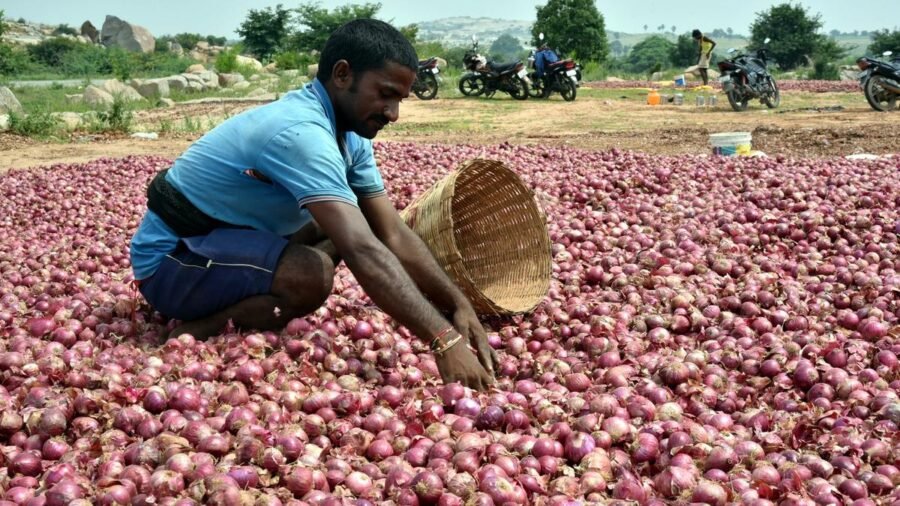
The Andhra Pradesh Cabinet sub-committee on essential commodities has decided to sell onions at ₹35 a kg, seek allocation of 1.20 lakh tonnes of tur dal from the Centre, supply palm oil at subsidised prices and procure 10,000 tonnes of KNM variety rice from Nellore district to check rising prices and provide relief to consumers.
The decisions were taken at a meeting of the sub-committee at the State Secretariat on Thursday (September 3, 2026), attended by Civil Supplies Minister Nadendla Manohar, Agriculture Minister Kinjarapu Atchannaidu and Finance Minister Payyavula Keshav.
The panel decided to expand market intervention beyond the rice programme already being implemented in the State, with immediate measures targeting onions, tur dal and palm oil. It directed officials to coordinate with the Centre for adequate allocation of essential commodities and ensure their distribution across the State.
The committee decided to approach the National Cooperative Consumers’ Federation (NCCF) for allocation of onion stocks to Andhra Pradesh so that the vegetable could be sold at ₹35 a kg to consumers.
To contain toor dal prices, the State will request the Union Department of Consumer Affairs to allocate 1.20 lakh metric tonnes of tur. The stock will be processed and the dal sold at affordable prices through Rythu Bazaars and special counters.
The panel also directed officials to explore procurement of palm oil through the NCCF and make it available to consumers at subsidised prices.
Rice market intervention is being implemented through 651 special counters and Rythu Bazaars. About 10,163 quintals of rice have been sold so far, benefiting nearly one lakh consumers.
The committee ordered the procurement of 10,000 metric tonnes of KNM rice from Nellore rice millers for sale through special counters at affordable prices.
Officials were directed to continuously monitor prices, stocks and supplies and prevent artificial shortages through coordinated action by the departments concerned.
Real looters of Ram Temple protected by BJP-RSS, alleges Uttar Pradesh Congress chief
By Sohail Khan · 4 Sep
‘Are we slaves?’ Why Kenya wants Tata Chemicals to ‘pack and go’ after 100 years
By Sohail Khan · 4 Sep
Leave a Reply