Why peacocks seem to ‘announce’ rain: Breeding season may hold the answer
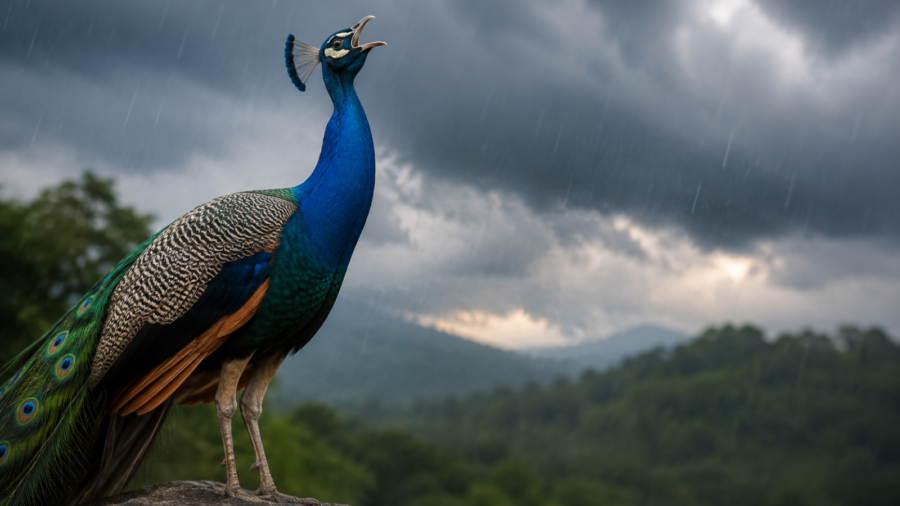
A peacock’s loud call can be hard to miss, especially when it seems to arrive just before a spell of rain. This has helped build a popular belief that peacocks can sense an approaching shower and “announce” it with their calls.
But is there really a connection between the bird’s calls and rain?
Peacocks are naturally vocal birds; the Indian peafowl (Pavo cristatus) is highly vocal, and its calls serve different purposes. The male’s loud, repeated call can be heard over long distances, while females also make calls, including alarm calls.
Peafowl calling also varies with season and time of day. Observations have found particularly intense calling during the breeding season, with calls more frequent in the morning and evening.
So, why does it seem to happen before rain?
The apparent connection may partly come from the fact that the peafowl breeding season overlaps with the monsoon in much of the Indian subcontinent. This is also the period when male peacocks are especially active and vocal.
In other words, the bird may be calling during a season when rain is also common, making the two events appear more closely connected than they actually are.
There is currently no strong scientific evidence showing that Indian peafowl specifically call because they can predict an approaching rain shower.
Story continues below this ad
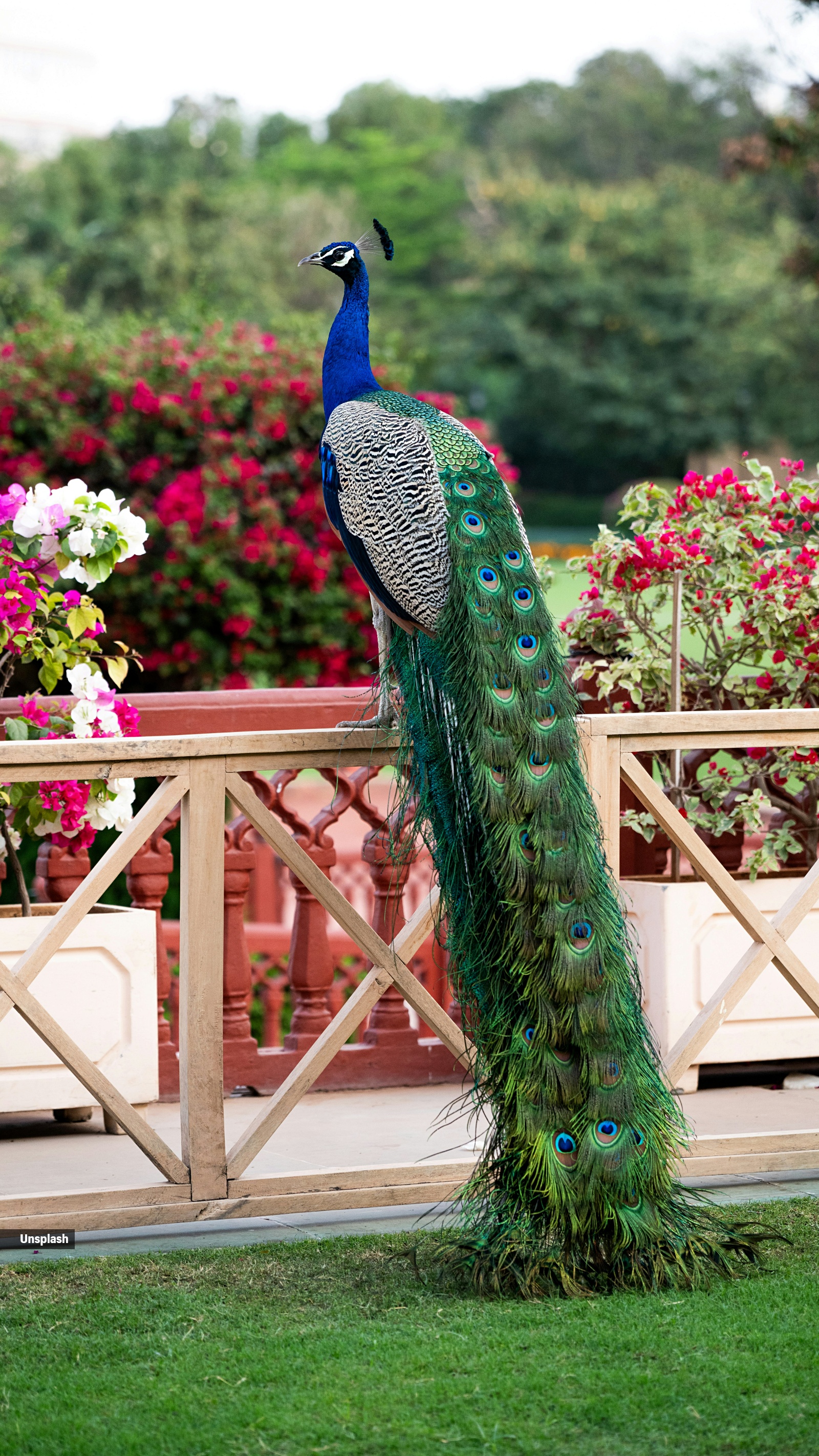 Breeding season of peacocks coincides with the monsoon (Unsplash image)
Can birds sense changes before a storm?
There is, however, a broader scientific reason why people associate bird behaviour with changing weather. Birds can respond to environmental changes such as temperature, humidity, wind and atmospheric pressure, and these factors can influence their behaviour and vocal activity.
Research on other bird species has also examined whether weather-related calls are associated with environmental changes. Animal Behaviour journal’s 2024 study of sulphur-crested cockatoos, for instance, found that their so-called “rain calls” were more common under conditions of higher humidity and slightly lower temperatures, although the researchers did not find evidence that the calls were triggered by current atmospheric pressure.
That does not mean the same mechanism has been established in peafowl. It simply shows that weather can influence bird behaviour and vocalisation.
What about the famous “rain dance”?
The same monsoon association is behind the popular image of a peacock dancing in the rain. Male peafowl display their elaborate tail feathers during the breeding season as part of courtship and social interactions. The timing of this breeding activity overlaps with the monsoon, which may have helped create the traditional idea of a “rain dance.”
Story continues below this ad
So, while a peacock’s call may sometimes seem like a warning that rain is on its way, science does not currently support the idea that the bird is deliberately predicting rainfall.
The simpler explanation is that peafowl are naturally vocal, their calling changes with season and time of day, and the monsoon happens to coincide with a period of heightened breeding activity.
Explore more captivating stories about pets and animals here, and make us your daily stop for the latest from the animal kingdom.

Silver lining: on the Samarkand Chess Olympiad and India
By Sohail Khan · 29 Sep
State of anticipation: on Jammu and Kashmir and Statehood
By Sohail Khan · 29 Sep