Constipated despite drinking enough water? Gastroenterologist shares 6 possible causes
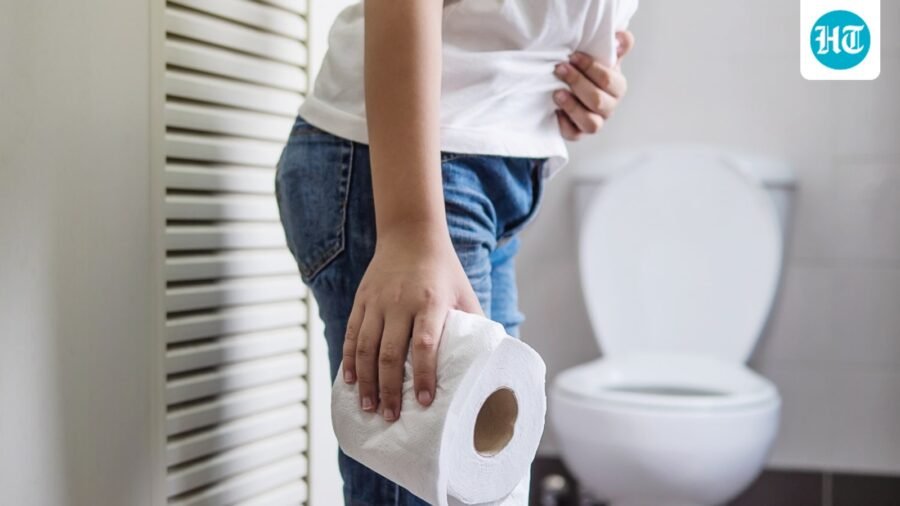
Constipated despite drinking enough water? Gastroenterologist shares 6 possible causesUpdated on: Sep 26, 2026, 17:55:21 IST
Prefer HTon Google
Share via
Copy link
Even if you are drinking water, your bowel movements can still be rough. Know the other possible reasons why.
Constipation is often linked to inadequate hydration, which is why drinking more water is common advice for promoting regular bowel movements. But what if you are drinking enough water and still struggling to pass stools?
But hydration is only one of several factors that affect bowel habits, and persistent constipation may be monitored, as you may be overlooking other underlying causes.
Dr Vineet Kumar Gupta, senior director and unit head, Institute of Gastro Sciences at ShardaCare-Healthcity, shared why water alone may not relieve constipation and which other causes deserve attention.
“Constipation is often put down to lack of fluid. Although sufficient drinking of water aids regular bowel movements, water alone can cause no relief from a blocked colon; it's easy to have a number of glasses of water throughout the day, but a constipated person's stools can still remain solid, making passage difficult and leading to a sense of inability to fully empty the bowel," he said.
Why are you constipated despite drinking enough water?
Drinking water is not enough. Bowel regularity depends on several other factors, from diet to daily routines. Here is a set that Dr Gupta outlined:
1. Not eating enough fibre
- Fibre adds bulk to stool and helps it move through the colon.
- A diet high in refined foods and low in fibre may cause constipation despite adequate water intake.
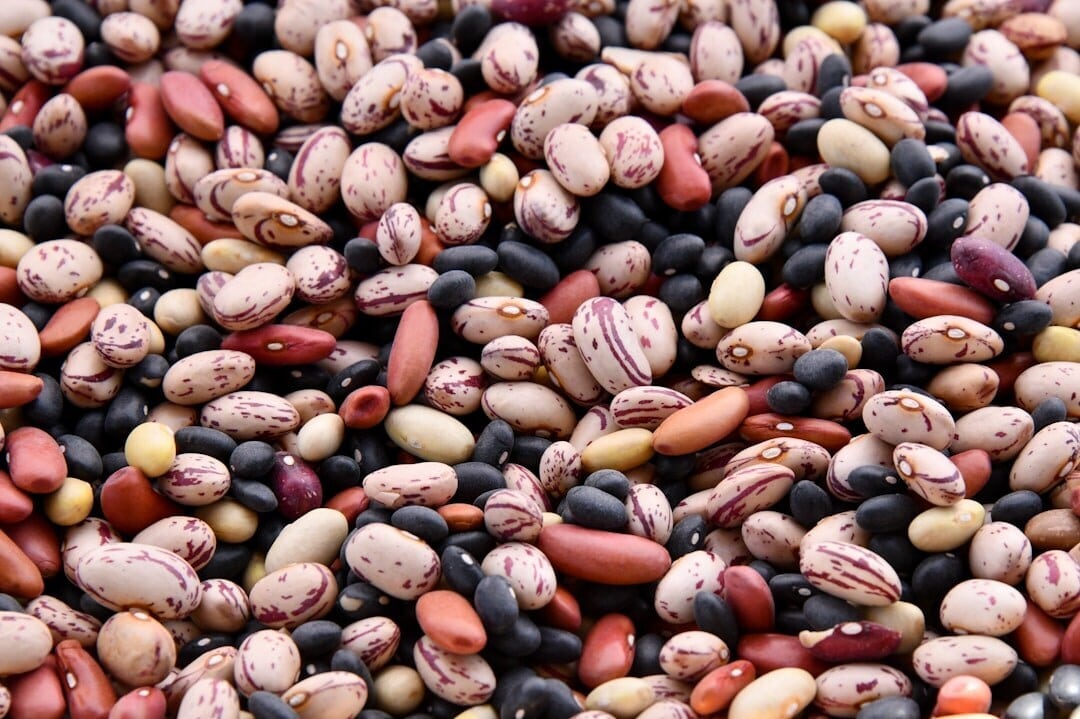
- Sources of dietary fibre include fruits, vegetables, wholegrain cereals, beans, nuts and seeds.
2. Spending too much time sitting
- Physical inactivity can lead to constipation.
- Spending long periods sitting may slow bowel movements, while regular activity, including gentle walks, can help support bowel regularity.
3. Ignoring the urge to use the toilet
- Repeatedly delaying bowel movements can worsen constipation.
- Busy schedules, travel or difficulty accessing a comfortable toilet may lead people to ignore the urge to go.
4. Taking certain medicines or supplements
- Some painkillers, iron and calcium supplements, allergy medicines, antidepressants, and blood pressure medicines can cause constipation.
- If you suspect a medicine is affecting your bowel movements, speak to a doctor rather than trying to stop it on your own.
5. Changes in routine and stress
- Irregular mealtimes, disrupted sleep, and changes in daily routines can affect bowel habits.
- Stress can change bowel patterns because of the gut-brain axis.
6. Underlying health conditions
- Persistent constipation may be associated with conditions such as thyroid problems or pelvic floor muscle dysfunction.
- Unexplained change in bowel habits, particularly in an older adult, should be assessed by a doctor.
When should you see a doctor?
Dr Gupta, however, emphasised that people should seek medical advice if they see persistent changes in their bowel habits or warning signs. In such cases, avoid relying solely on home remedies to manage constipation.
He elaborated, “A gastroenterologist tends to look closely at the patient: whether the symptom pattern and period have existed is usually put under extreme consideration before a further step would be taken. An ordinary bowel blockage, which happens despite attempts to improve bowel habits, may not necessarily be aided by increasing water intake or going for prolonged walks at intervals, simply because these sorts of remedies are futile once a problem begins.”
The doctor urged looking for signs:
- Blood in stools
- Rapid, unintentional weight loss
- Persistent abdominal pain
- Feeling unwell or having a fever
- Sudden change in bowel habits
- New constipation that persists
Note to readers: This article is for informational purposes only and not a substitute for professional medical advice.
Catch every big hit, every wicket with Crick-it, a one stop destination for Live Scores, Match Stats, Quizzes, Polls & much more. Explore now!.
Catch your daily dose of Fashion, Taylor Swift, Health, Festivals, Travel, Relationship, Recipe and all the other Latest Lifestyle News on Website and APPs.
See Less




Leave a Reply