Asian Games 2026: Why carrying your trash and covering tattoos are more than just Japanese etiquette
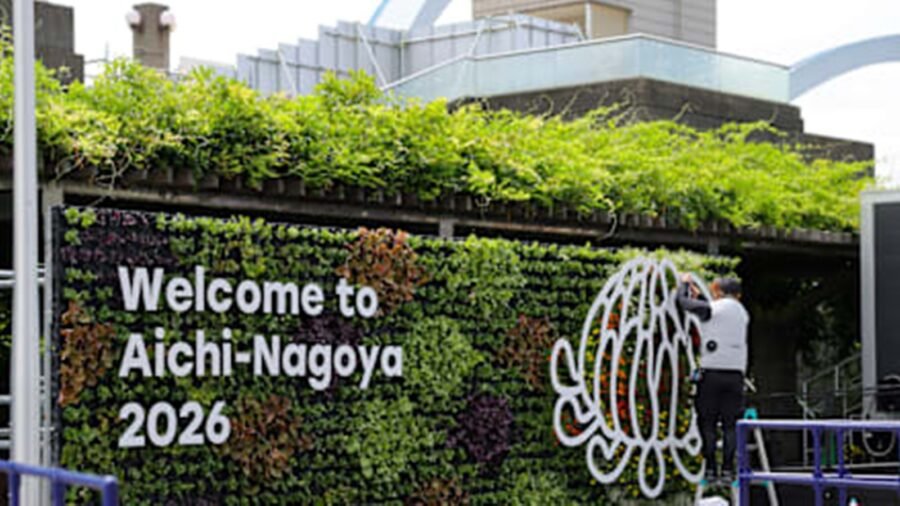
Ahead of the 20th Asian Games 2026 (September 19 to October 4, 2026) in Japan’s Aichi-Nagoya, Indian athletes have been briefed on Japanese etiquette, including not littering, carrying their waste until they find a bin, queueing properly, using earphones instead of playing loud music, keeping tattoos covered where appropriate and respecting physical boundaries with strangers. The Sports Authority of India (SAI) has shared an AI video explaining expected public behaviour, with the message that they are travelling not only as athletes but also as representatives of India.
SAI captioned the post on social media, “Preparing champions beyond the field! Our athletes are being guided on Japanese culture, etiquette, communication, and professional conduct as they gear up for the Asian Games 2026 in Japan. From how to speak and interact to understanding local customs, every detail matters when representing the nation.”
Story continues below.
Subscribe to see fewer ads.
Indian athletes have been told to be mindful of public behaviour, with the overall message to maintain cleanliness, discipline, courtesy and consideration for others.
Do not litter: Carry your own small trash bag because public dustbins can be scarce, and dispose of waste properly when you find a bin.
Cover visible tattoos: Athletes have been advised to avoid displaying tattoos publicly where possible, as some Japanese public spaces have restrictions or sensitivities around tattoos.
Keep your voice down: Avoid loud conversations, music or videos in public places. Use earphones when listening to audio.
Queue properly: Wait your turn and avoid pushing or crowding others, particularly in public spaces and transport areas.
Respect personal space: Athletes have specifically been advised against unnecessarily touching, hugging or kissing strangers.
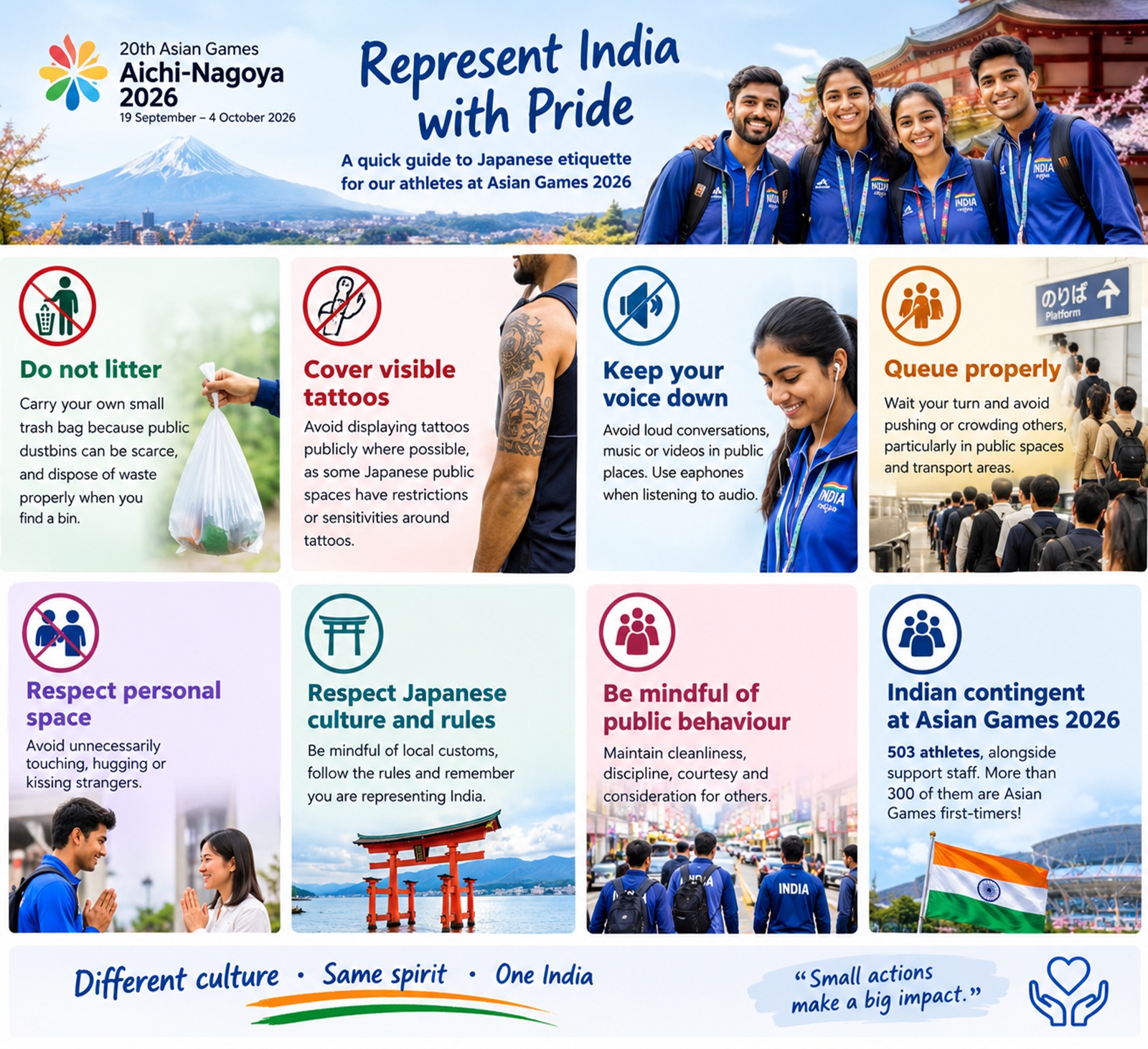 Indian athletes get Japan etiquette guide
The Indian contingent includes 503 athletes, along with support staff. Interestingly, official estimates suggest more than 300 of the athletes are Asian Games first-timers.
Taking a cue from this, an expert reflected on the rules and why they need to be followed.
Story continues below this ad
The psychology beneath civic behaviour is fascinating because most of these actions require one fundamental ability: the capacity to consider another person’s experience even when that person has no relationship with us, reflected Delnna Rrajesh, a psychotherapist.
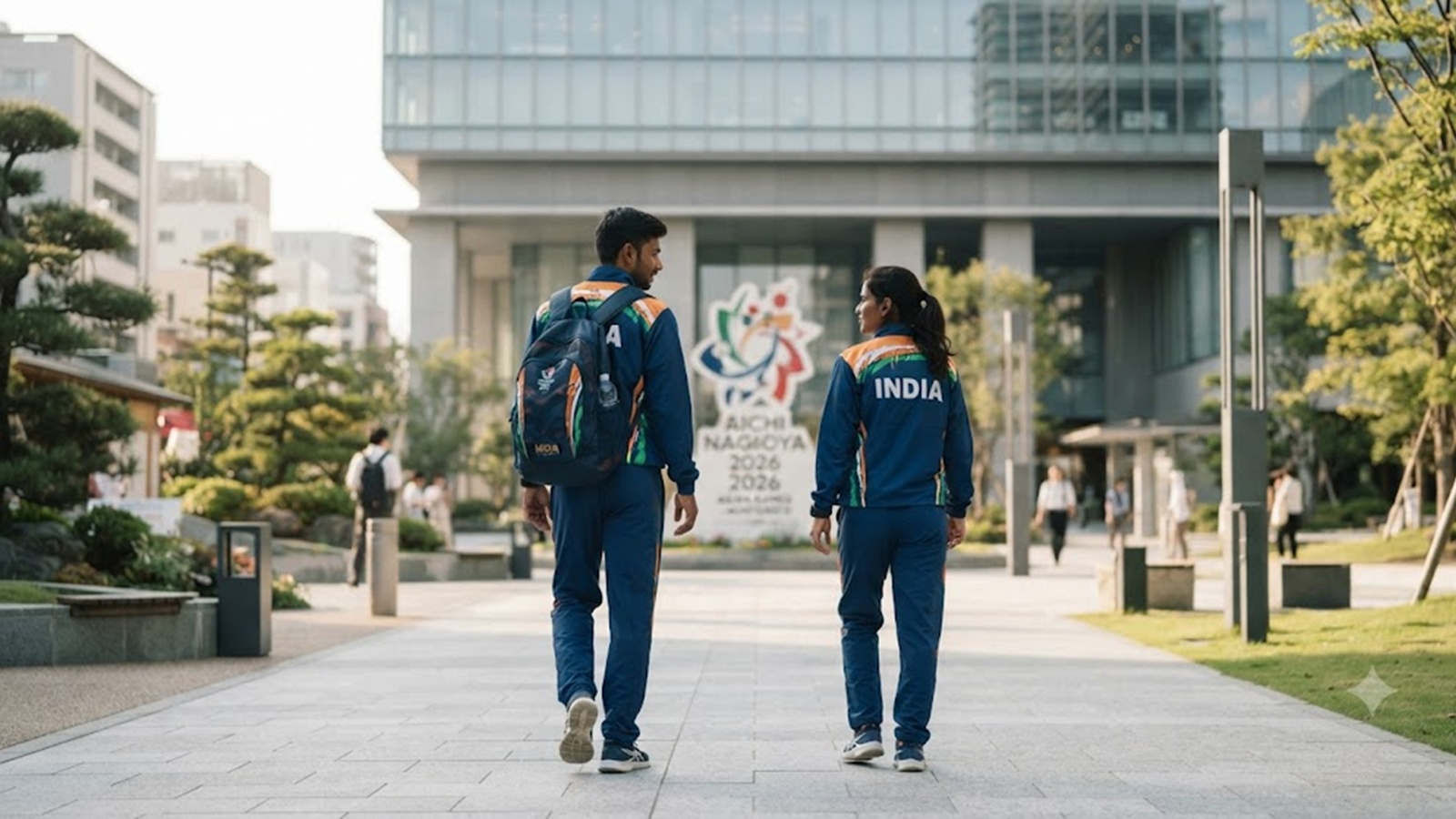 With India sending more than 500 athletes across 36 disciplines to the Games, which begin on September 19, this is more than a travel-etiquette story
“Not playing loud music in a public place means recognising that somebody beside us may be tired, working, unwell or simply entitled to quiet. Queueing means accepting that our urgency does not automatically make our time more important than everybody else’s. Carrying our rubbish until we find a bin means tolerating a small personal inconvenience rather than transferring it to the community. This is emotional intelligence outside the therapy room. We usually associate emotional intelligence with relationships, communication and managing emotions. But social awareness is also the ability to understand that our behaviour creates an experience for people around us,” said Delnna.
Of course, cultural etiquette needs context. “Practices around tattoos, physical contact, public noise and personal space vary considerably between societies. Respecting Japanese customs does not require concluding that one culture is superior to another. It means recognising that when we enter another society, understanding how that society experiences respect is itself an act of respect,” Delnna told indianexpress.com.
Perhaps that is the larger lesson in this briefing. “Our athletes will represent India through their performances, but representation does not end when they leave the sporting arena. The way we treat public spaces, strangers, workers, boundaries and shared resources also communicates something about us,” said Delnna.
Story continues below this ad
And that lesson extends far beyond athletes or Japan. “Civic sense is what happens when personal responsibility continues even after nobody is watching,” said Delnna.
For athletes competing under significant pressure, “small behavioural expectations can also create a sense of structure and predictability outside competition”, stressed Dr Pavitra Shankar, associate consultant psychiatrist, Aakash Healthcare. “This can be particularly useful when travelling, interacting with unfamiliar people or adapting to a different social environment,” said Dr Pavitra.
According to the experts, the broader psychological lesson is about cultural sensitivity. “Respecting local customs does not mean giving up one’s own identity; it means recognising that our actions affect the people around us. Courtesy, awareness and adaptability are valuable skills for athletes both on and off the field,” said Dr Pavitra.

From Ralph Lauren to Fendi: Why Indian crafts are easy to borrow but hard to protect
By Sohail Khan · 17 Sep

Why melting glaciers could ‘put 20% of India’s GDP at risk’, and one change that can help
By Sohail Khan · 17 Sep
Leave a Reply