Andy Burnham gets bold at last
But looming hard decisions could test Labour’s unity
Published on: Sep 30, 2026, 15:00:03 IST
Prefer HTon Google
Share via
Copy link
Britain’s Labour Party is on the up. After ditching Sir Keir Starmer as its leader and replacing him with Andy Burnham, the ruling party has seen a bounce in opinion polls. The theme of the annual Labour conference, held in Liverpool from September 27th to 30th, was “hope again”. The mood was buoyant. Internal rows were conducted quietly.
For most of the conference, the upbeat vibe was not matched by any policy substance from government ministers. Announcements from the main stage were minor: the biggest applause line in a speech by John Healey, the chancellor, was a pledge to restore a tiny pot of cash which funds trade unions to train workers.
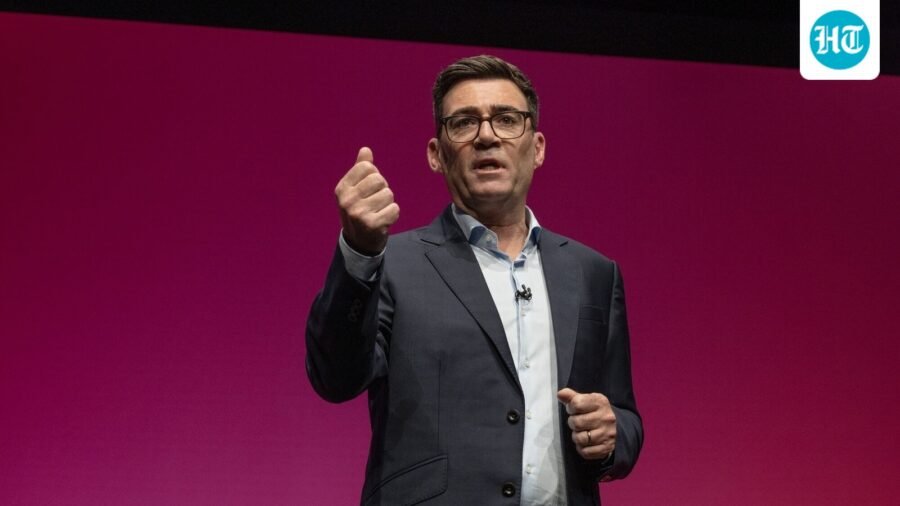
Mr Burnham’s own speech to activists on September 29th was rather more consequential. He made three bold announcements regarding dangerous live wires of British politics: old-age pensions, the voting system and Europe. He will get credit for his willingness to take on problems previous leaders have dodged—although none of the reforms he promised will take effect until after the next general election, which is due in 2029.
The “triple lock”, which governs how the level of the state pension is calculated (it rises by whichever is higher among inflation, earnings growth or 2.5%), will be scrapped from 2030, the prime minister said. It will be replaced by a double lock of inflation and 2.5%, although the government will ensure it does not lag behind growth in wages over the long run. The savings will be used to fund a new “national care service” which will stop the elderly having to sell assets to pay for their care, Mr Burnham promised.
Changes to the triple lock have been taboo among political leaders since it was introduced in 2010, though economists tend to hate it. Opposition parties were quick to attack the new policy, and some within Labour are also unhappy. “We have decided to attack pensioners,” says one backbench MP. “It’s a disaster.” But Jonathan Cribb of the Institute for Fiscal Studies, a think-tank, hailed the announcement as “great news”—though he warned it would not raise enough to foot the full bill for universal social care.
Mr Burnham is a longtime supporter of abolishing the current first-past-the-post voting system in favour of a more proportional one. He said he would summon a “national commission” to consider what the best new system might be, then put support for electoral reform in the next Labour manifesto.
On Europe, Mr Burnham bemoaned the economic damage done by Brexit and said: “We will not give Britain the clear path we need into the rest of the century until we decide on a long-term relationship with what is still our largest market.” Later this year, when Britain and the EU hold a delayed summit, the prime minister will set out a menu of options for future ties to the continent. A spokesman refused to rule out any possible outcome, including returning to the bloc. “At some point we are going to rejoin the EU,” one senior Labour figure says. Others including Jonathan Reynolds, the business secretary, insist that would be a mistake.
The main caveat to Mr Burnham’s boldness is that none of the changes he wants will be implemented this decade, and they could all be cancelled if Labour fails to win the next election. Another is that the mood of unity in the party may be threatened by rows over the decisions he has made—and over other questions that remain as yet unresolved. The prime minister has yet to decide whether to press ahead with changes to the immigration system which would make it harder for low-paid migrant workers to stay in Britain permanently. He is planning to introduce welfare reforms later this year, in order to bring the amount of money spent on incapacity benefits under control; the last attempt to do so split Labour badly and undermined Sir Keir’s authority.
Smaller issues could also prove thorny. Mr Burnham refuses to say whether he thinks London’s Heathrow airport should be allowed to build a third runway. Sadiq Khan, the mayor of London, is opposed; Peter Kyle, who was business secretary under Sir Keir, said that blocking the plan would render Britain a “joke” in the eyes of others. One or the other will end up disappointed. The prime minister cannot please all of the people all of the time, despite his successful trip to Liverpool.
See Less
First Etihad Rail passenger train completes Dubai-Abu Dhabi journey in 1 hour: Check details
By Sohail Khan · 30 Sep
‘Heard screams, saw blood, someone stabbed pilot’: Passengers recall flydubai flight horror
By Sohail Khan · 30 Sep
Investing for babies involves knotty trade-offs
By Sohail Khan · 30 Sep
Leave a Reply