What is squawk 7500? The ‘hijack’ code issued amid flydubai flight scare
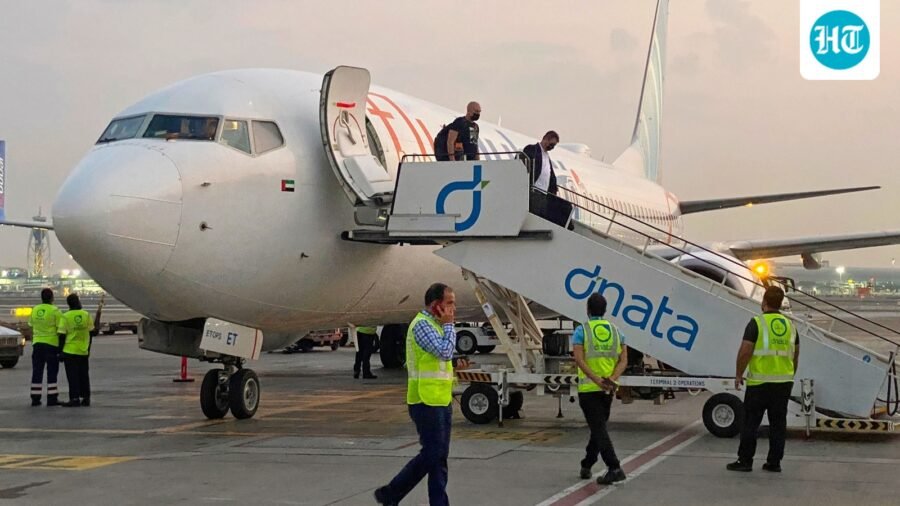
While squawk codes are sent through an aircraft’s transponder, pilots can use a Mayday call to alert air traffic control about a serious emergency.
Published on: Sep 30, 2026, 14:17:31 IST
Prefer HTon Google
Share via
Copy link
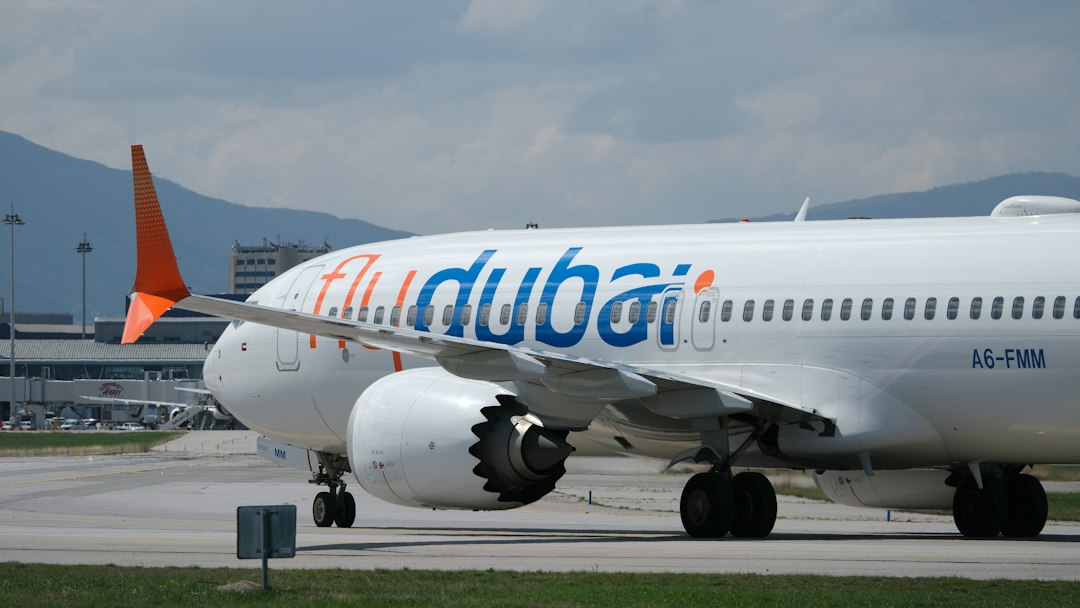
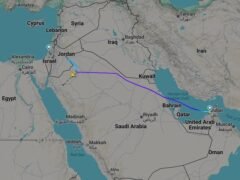
A flydubai flight from Dubai to Israel triggered a security alert on Wednesday after transmitting emergency transponder codes while flying over the region. The Boeing 737 first transmitted the squawk 7700, the code for a general emergency, followed by 7500, according to Flightradar24 data.
Israeli Air Force fighter jets were scrambled towards the aircraft amid concerns of a possible hijacking, Hebrew media reported. The alert was later linked to an altercation between the two pilots. A regional official briefed on the incident said a fight broke out in the cockpit, as per news agency AP.
The aircraft was diverted to Tabuk in Saudi Arabia, where it landed safely. All 180 on board, including cabin crew and children, were also reported safe.
Deep Dive
Powered ByAsk
What is a squawk code?
“Squawk” is an aviation term for the transponder code selected by the flight crew. A squawk code is a four-digit number entered into an aircraft’s transponder. The codes use digits from 0 to 7, giving 4,096 possible combinations. Air traffic control (ATC) assigns these codes to help identify and track aircraft, as per Eurocontrol, the European Organisation for the Safety of Air Navigation.
The aircraft’s transponder sends a signal back to radar, helping air traffic controllers identify and track it. A squawk code acts like an identification number for the aircraft on ATC systems.
Why squawk codes are needed
Primary radar can detect an aircraft, but it does not necessarily tell controllers which aircraft they are seeing. A transponder makes the process much easier.
ATC can assign a particular code to a flight. The pilots enter that code into the aircraft's transponder. The code then appears to controllers along with the aircraft's surveillance information.
This helps controllers keep track of multiple aircraft in busy airspace.
Its system manages the allocation of these codes because air traffic requires large numbers of transponder codes across different regions, as per Eurocontrol.
What does squawk 7500 mean?
Squawk 7500 is the code for “unlawful interference”, a term commonly associated with hijacking, according to Flightradar24. The International Civil Aviation Organization (ICAO) uses the code to alert air traffic control that an aircraft may be facing unlawful interference.
The signal can provide a discreet way for the crew to alert authorities without explicitly announcing the situation over the radio.
Eurocontrol guidance lists the three main emergency codes as:
- 7500 — unlawful interference
- 7600 — radio communications failure
- 7700 — emergency
What happens when an aircraft squawks 7500?
A 7500 signal is immediately significant to ATC and other aviation authorities. They can identify the aircraft and coordinate an appropriate response.
Authorities may alert aviation and security agencies, closely monitor the aircraft, give it priority handling, coordinate with the destination or diversion airport, and prepare emergency personnel. If necessary, military aircraft may also be deployed to intercept or escort it.
That is why a 7500 signal can lead to fighter jets being scrambled.
Squawks and Maydays
While squawk codes are signals sent through an aircraft’s transponder, pilots can also use a Mayday call to alert air traffic control about a serious emergency.
“Mayday” is an internationally recognised distress call used when an aircraft or its occupants face an immediate threat. Pilots normally repeat the word three times — “Mayday, Mayday, Mayday” — to alert ATC and request urgent assistance.
In the June 12, 2025 Ahmedabad Air India crash, one of the pilots issued a Mayday call moments after take-off, but the aircraft did not respond to subsequent ATC calls. The crash killed 260 people, including 241 people aboard the aircraft and 19 people on the ground, according to the AAIB's preliminary report.
See Less



Leave a Reply