5 animals a tiger may think twice before attacking
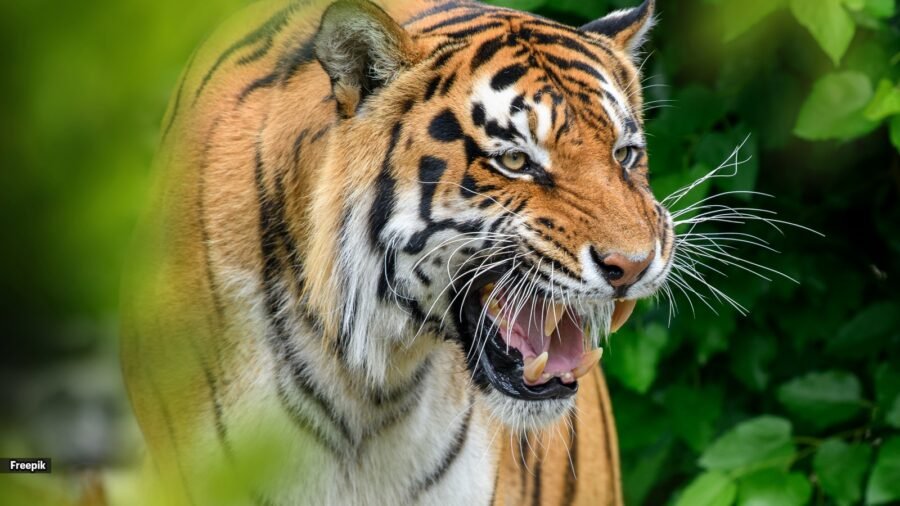
Adult elephants are generally too large for adult tigers to kill, and their sheer size makes them dangerous opponents. Rare reports of tigers killing adult elephants do exist, but these appear to involve unusually vulnerable individuals, such as animals that were old, sick or injured.
So, while a tiger may see an opportunity with a vulnerable calf, taking on a healthy adult elephant is generally not worth the risk.
2. Greater one-horned rhinoceros
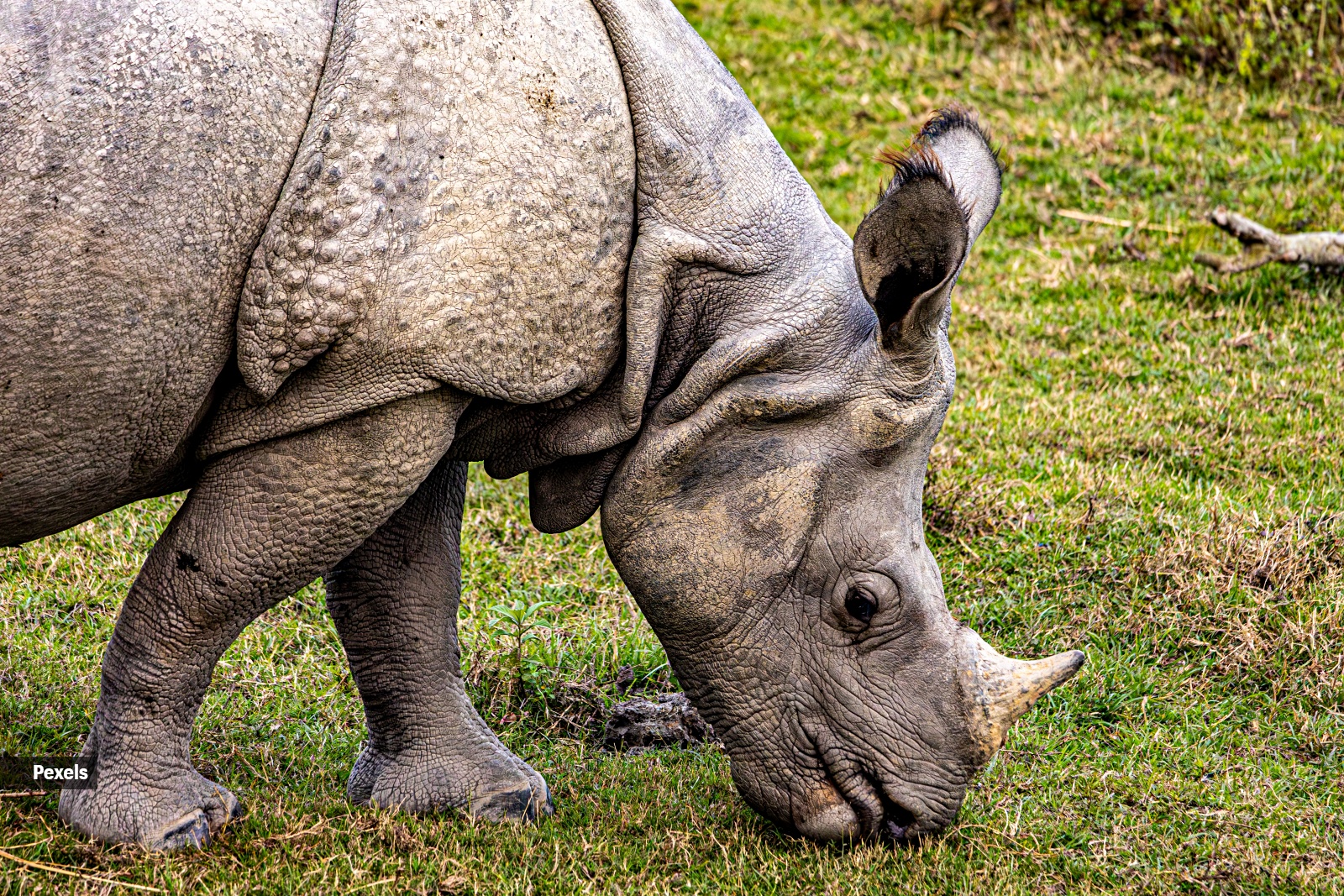 IUCN Red List Status of Greater one-horned rhinoceros is “Vulnerable” (Pexels image)
A rhino calf can occasionally become tiger prey, but a healthy adult greater one-horned rhinoceros is much harder to take down.
Story continues below this ad
Tiger predation of rhino calves has been documented in parts of the Indian subcontinent. In one study, all documented tiger-killed rhino calves were younger than eight months, and tiger predation accounted for about 10% of calf mortality in that population.
Adults are another matter. Reviews of tiger predation note that adult rhinos are generally too large for tigers to kill. Their huge bodies, horns, and ability to charge also make a close-range attack risky.
A tiger may take advantage of a vulnerable calf, but a healthy adult rhino is not prey it can casually tackle.
3. Gaur
This one needs a little nuance because tigers absolutely do hunt gaur.
Story continues below this ad
In some landscapes, gaur are an important part of a tiger’s diet, and tigers have been recorded killing adult gaur. But these giant wild cattle are also among the largest prey a tiger can encounter.
Large gaur bulls can weigh several hundred kilograms and carry powerful horns, meaning a direct attack can leave a tiger badly injured.
A study of tiger kills in Thailand recorded 82 gaur kills. The average gaur killed weighed 397.9 kg, while the average adult gaur kill weighed 737.8 kg.
This is less about tigers avoiding gaur and more about how they choose to hunt them. Stealth and opportunity matter when the prey is several times the predator’s size.
Story continues below this ad
4. Sloth bear
A sloth bear may look like an unlikely animal to worry a tiger, but getting too close can be a bad idea.
Tigers do occasionally prey on sloth bears, but the bears can put up an aggressive defence when confronted. A 2024 study examined 43 documented encounters between sloth bears and tigers, mostly from Indian tiger reserves.
In 86% of those encounters, there was no physical contact. When the animals got close, sloth bears were often seen standing up, charging, or swatting at tigers.
The researchers found that this defensive behaviour appeared to deter attacks in many encounters. Four interactions, around 9%, ended with the bear being killed.
Story continues below this ad
A tiger can kill a sloth bear, but a surprised bear may not run away. It may stand its ground, making the encounter more dangerous.
5. A pack of dholes
A single dhole is tiny compared with a tiger. A group of them is a different situation, although there is limited evidence that dhole packs routinely overpower or kill adult tigers.
Dholes are social hunters, and the two species compete for food and territory. A 2021 study found five instances of tigers killing dholes and 23 occasions when tigers took over kills from them.
The relationship is less about dholes being stronger than tigers and more about competition between two predators. A group of dholes may create pressure around a carcass or during an encounter, while tigers can also dominate these interactions.
Story continues below this ad
So it would be a stretch to say tigers are “afraid” of dhole packs. But when several animals are defending a food source or their group, a tiger has more reason to weigh the reward against the risk of injury.
Explore more captivating stories about pets and animals here, and make us your daily stop for the latest from the animal kingdom.

What are IRDAI’s proposed insurance reforms, why have they hit insurance stocks?
By Sohail Khan · 26 Sep


Leave a Reply