Sonakshi Sinha recalls telling father Shatrughan about Zaheer Iqbal: ‘Your dad will not agree’
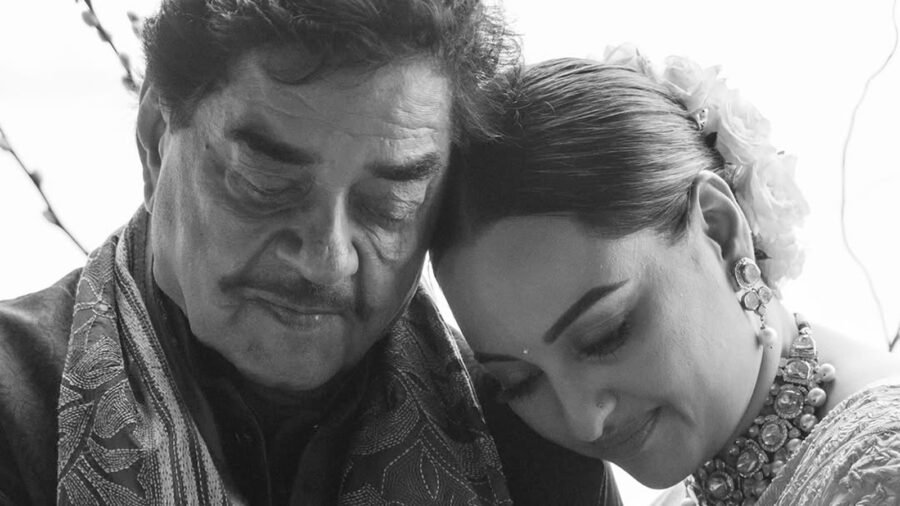
“When I went and told him, the first thing he told me was, ‘Why did you wait so long? Why didn’t you tell me before?’ It still breaks my heart. I told him that I am dating this guy, and I really love him, and I want to marry him. He asked me his name and what he does, and I said, ‘I’ve seen him in the news’. Once they saw us together and how much I love him, how much he loves me. That kind of shook me. I thought, ‘Why did I wait this long to tell him?'” Sinha further elaborated.
Story continues below.
Subscribe to see fewer ads.
Why does it feel hard?
Neha Cadabam, senior psychologist and executive director at Cadabams Hospitals, says a father-daughter relationship is unique, and even after a daughter becomes an adult, a father’s voice still carries emotional weight.
“Fatherly encouragement often signals emotional safety, validation, and belief. Psychologically, when a parent, especially a father in many cultures, affirms your choices, it helps internalise a sense of competence and permission to act boldly,” she tells indianexpress.com.
According to her, a strong father-daughter relationship correlates with higher well‑being, lower psychological distress, and greater fulfilment of basic psychological needs. The steady backing of a father can indeed encourage daughters to take risks – after all, she knows she has an emotional anchor to fall back on in case things go awry.
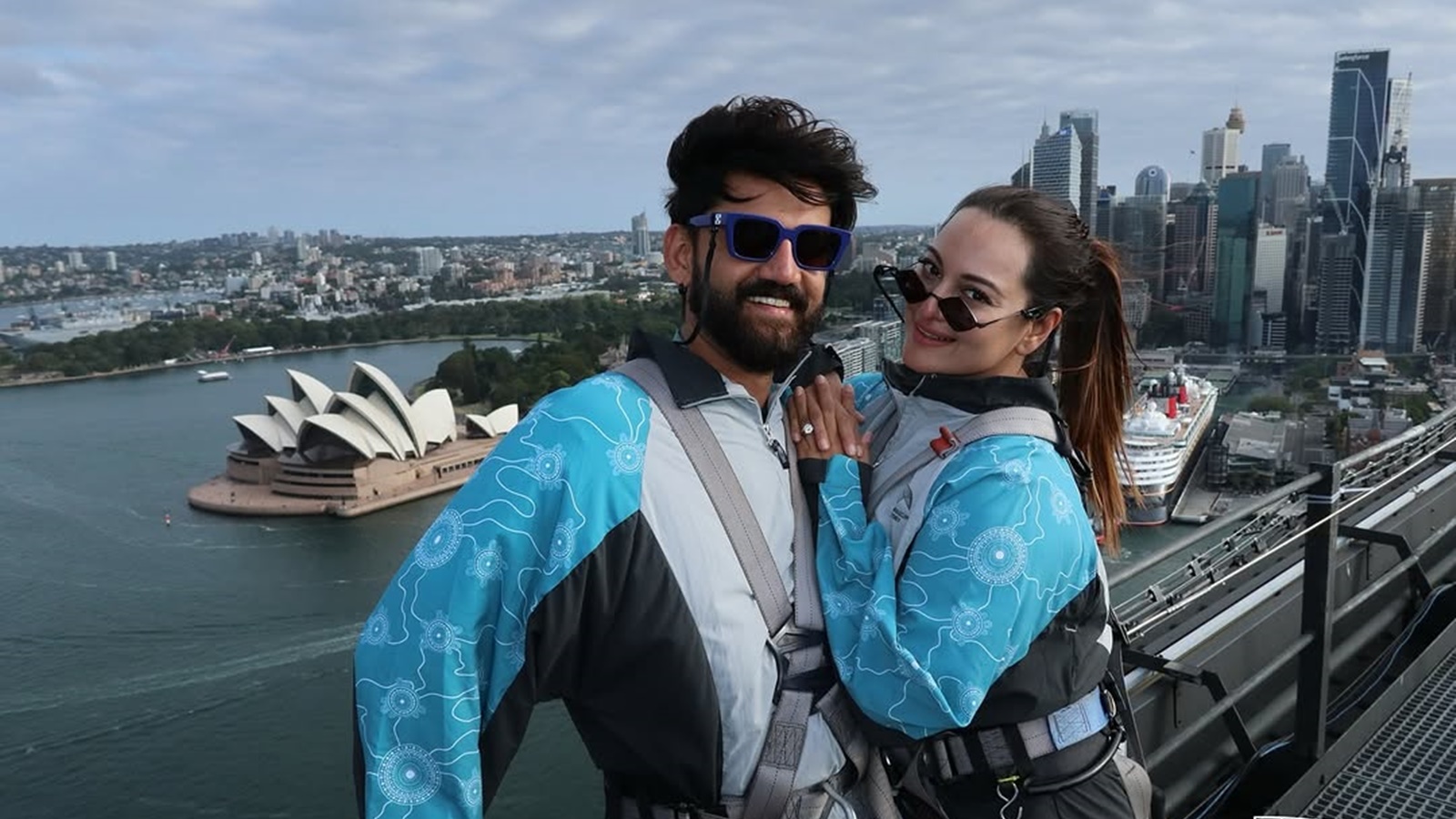 Sonakshi Sinha and husband Zaheer Iqbal. (Source: Instagram/@aslisona)
Times are changing, and Dr Preeti Singh, Senior Consultant and Clinical Psychologist at Paras Health, Gurugram, says that several factors have contributed to fathers becoming more emotionally present today. “Greater awareness of child psychology and mental health, changing gender roles, increased participation of women in the workforce, more flexible work arrangements and the growing visibility of involved fathers have all reshaped expectations of fatherhood.
Story continues below this ad
“Many men today consciously want to break away from the emotionally distant parenting style they may have experienced growing up,” she adds.
Dr Singh adds that research consistently shows children benefit when fathers are emotionally available. “Emotional involvement from fathers contributes to better self-esteem, emotional regulation, resilience and social development, helping children build secure relationships and navigate life’s challenges with greater confidence,” she concludes.


Private spacecraft falls back to Earth after failing to rescue aging NASA telescope
By Sohail Khan · 26 Sep
Qazi Touqeer does 100 push-ups in one go on Bigg Boss 20: ‘My warm-up’
By Sohail Khan · 26 Sep
Leave a Reply