India stresses resilient health systems, pandemic preparedness at UN
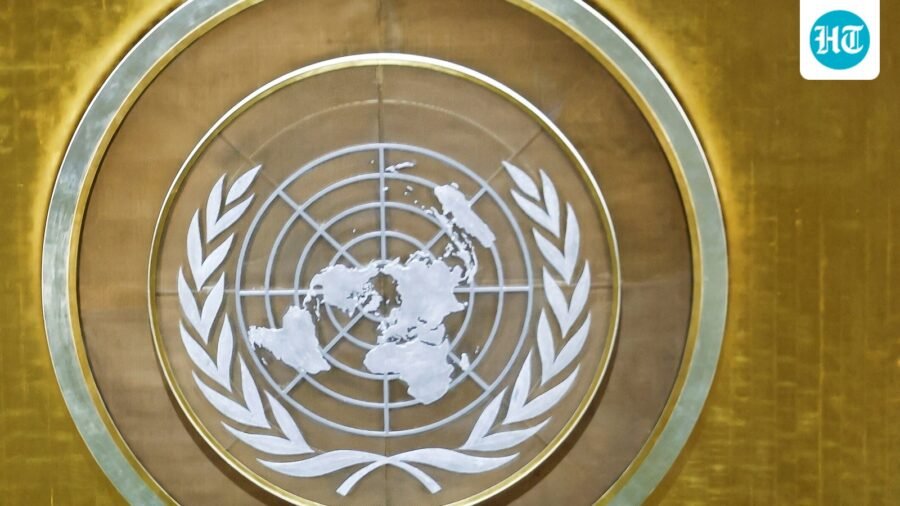
She spoke of the country's efforts to expand laboratory networks, emergency coordination, health workforce, stockpiles and clinical care.
Published on: Sep 26, 2026, 12:21:04 IST
Prefer HTon Google
Share via
Copy link
Representing India at the UN high-level meeting on 'Pandemic Prevention, Preparedness and Response' in New York, Union Health Secretary Punya Salila Srivastava reaffirmed the nation's commitment to strengthening global health security through international cooperation.
She stressed the need to translate lessons from the COVID-19 pandemic into sustained investment, institutional capacity and resilient health systems.
Addressing the meeting at the United Nations Headquarters on Friday, Srivastava outlined India's coordinated approach to pandemic prevention and response across government and society, which covers a wide range of potential health emergencies.
She spoke of the country's efforts to expand laboratory networks, emergency coordination, health workforce, stockpiles and clinical care capacity to ensure systems are equipped to respond effectively to health emergencies.
She noted that these efforts must be rooted in national health systems, development plans and domestic financing, with international assistance complementing national responsibility.
Drawing on India's experience during COVID-19, Srivastava called for digital public infrastructure to be recognised as a global public good.
She noted that digital solutions played an important role in surveillance, vaccination, risk communication, supply chains and continuity of health services during the pandemic.
Srivastava also underscored the importance of solidarity and fair access to essential health products. During the COVID-19 pandemic, India supplied 300 million vaccine doses to around 100 countries and two UN entities, while providing medical assistance to over 150 countries. She said this reflected India's commitment to the principle of "One Earth, One Health" and to the Global South.
Referring to the WHO Pandemic Agreement adopted in May 2025, the Union health secretary described it as an important milestone and stressed that its credibility would depend on a fair Pathogen Access and Benefit Sharing (PABS) system.
She emphasised that countries contributing pathogens and biological resources must receive timely access to vaccines, diagnostics, therapeutics, technologies and other benefits, while respecting national sovereignty.
Srivastava further stated that the political declaration should not prejudge ongoing negotiations on the PABS annex and should be implemented in accordance with national circumstances and capacities. On the 'One Health' approach, she called for its implementation, as appropriate, in accordance with domestic law, international law and national circumstances.
She also underlined the importance of member states' role in reviewing and consolidating pandemic prevention, preparedness and response tools, assessments and data, noting that such processes should be undertaken in consultation with member states given their policy implications.
Concluding her speech, Srivastava highlighted that preparedness is a shared responsibility and that equity must remain central to efforts to address future pandemics and outbreaks. "Global solidarity must be demonstrated through action," she said.
WHO Director-General Dr Tedros Adhanom Ghebreyesus pointed to the progress made in strengthening the global health security architecture since COVID-19, including the WHO Pandemic Agreement and amendments to the International Health Regulations.
He stressed the urgency of concluding negotiations on the PABS system, noting that delays could affect the world's ability to respond to future pandemics.
See Less
Woman accused in MDMA case stabbed near police station at Vadakara
By Sohail Khan · 26 Sep

Leave a Reply