Your dog in bed may boost happiness—but there’s a hygiene catch
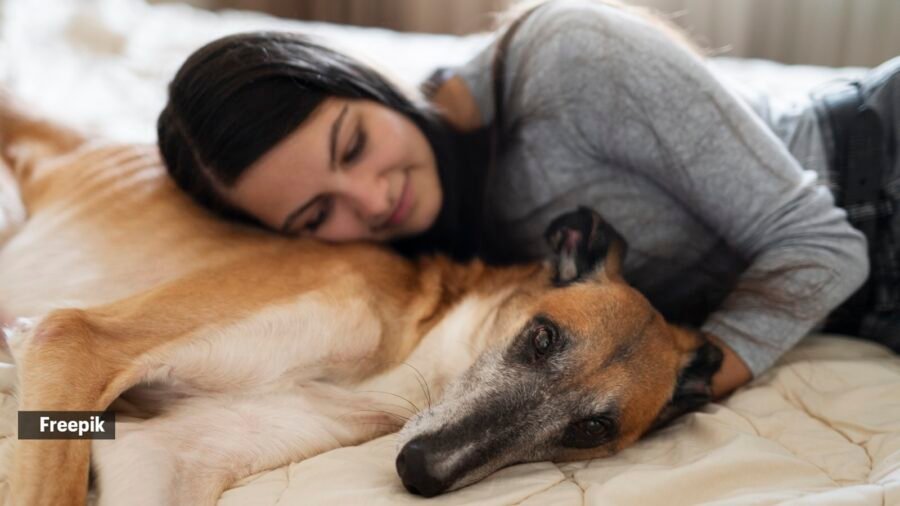
Should you let your pet sleep in the bed next to you? Love and affection aside, is it the most hygienic choice? We are not out to break your heart, but compromising on health can put both you and your furry friend at risk. We believe it’s better to be safe than sorry.
Anjali Kalachand, Pet Nutritionist & Co-Founder of A Petter Life, told indianexpress.com that one of her favourite things to do with her dog was lying down in bed after a long day and having him jump in and snuggle right into her. “It was the most relaxing thing in the world – the rhythmic breathing, warmth and soft touch of a pet can trigger the release of oxytocin, serotonin and dopamine, resulting in a healthier and happier human being,” she shared.
Story continues below this ad
“Spending time with animals really helps with boosting oxytocin and other endorphins (feel-good hormones). Cortisol, the stress hormone, is proven to decrease with pets. Of course, we only recommend it to people who love animals. For them, it can really make a difference and act as a real source of comfort,” Dr Rachna Khanna Singh, Mental Wellness Expert at Artemis Hospital, told indianexpress.com.
This oxytocin feedback loop reinforces bonding, much like the gaze between a parent and infant. Astonishingly, this effect is unique to domesticated dogs: hand-raised wolves did not respond the same way to human eye contact. “As dogs became domesticated, they evolved this interspecies oxytocin loop as a way to glue them emotionally to their humans. Those soulful eyes your pup gives you are chemically binding you two together,” she said.
 “Spending time with animals really helps with boosting oxytocin (Source: Freepik)
Points to note
However, the expert reiterated that maintaining a certain level of hygiene is also important:
- Ensure your dog or cat is clean – paws wiped amongst other things
- Ensure no ticks and fleas – these parasites can affect humans also
- Wash your bedding often
For a healthy adult, sleeping with pets has more benefits than risks. But each case must be assessed individually.
Story continues below this ad
“Many suffer from allergies when they handle or come into close contact with pets- some sneeze incessantly, others break out in hives or get itchy due to saliva or dander. Always remember that pets labelled as ‘hypoallergenic’ can also produce saliva, dander and other not-so-apparent allergens,” said Kalachand, further adding that if you suffer from allergies to pet dander, are a light sleeper (pets move a lot in the night – cats are nocturnal animals and may even be very active at night) or are immunocompromised, this may not be the right fit for you.

Sea level rise: Can a country retain its statehood even if it loses its territory?
By Sohail Khan · 28 Sep

No fuel without PUC in Delhi: What this certificate says about your vehicle
By Sohail Khan · 28 Sep