The truth about masala dosa: When it is healthy and when it turns into junk food
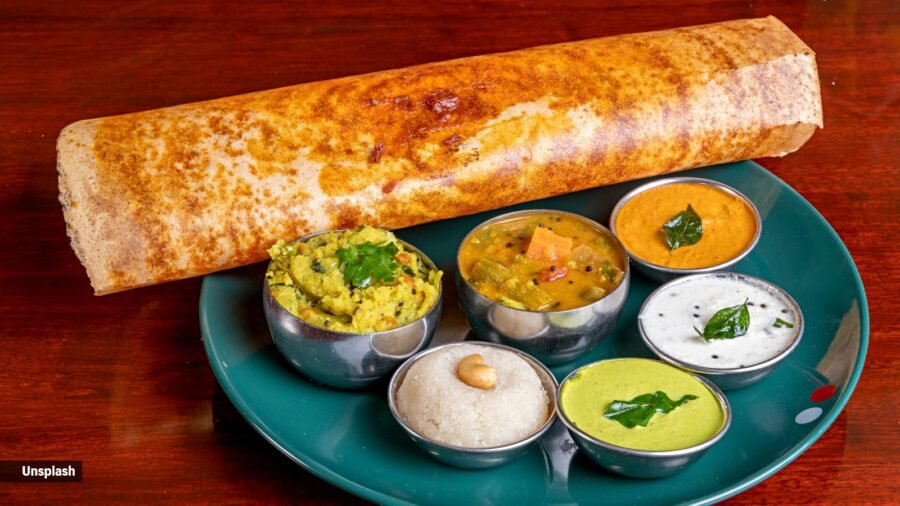
Few dishes are as loved across India as a crispy masala dosa. Served hot with sambar and chutney, it’s a breakfast favourite for many. But with growing conversations around healthy eating, a common question often pops up online: Does masala dosa count as junk food?
According to Drishya Ale, dietician at Paras Health, Gurgaon, the answer depends more on how the dish is prepared than on the dish itself.
“Masala dosa is not inherently junk food. It is a traditional Indian dish made from fermented rice and lentil batter, which provides carbohydrates, some protein, and beneficial probiotics from fermentation.”
Story continues below this ad
The fermentation process also improves digestibility, while the potato filling provides energy and certain nutrients.
“When prepared in moderation with balanced accompaniments like sambar and coconut chutney, masala dosa can be part of a healthy meal rather than being classified as junk food.”
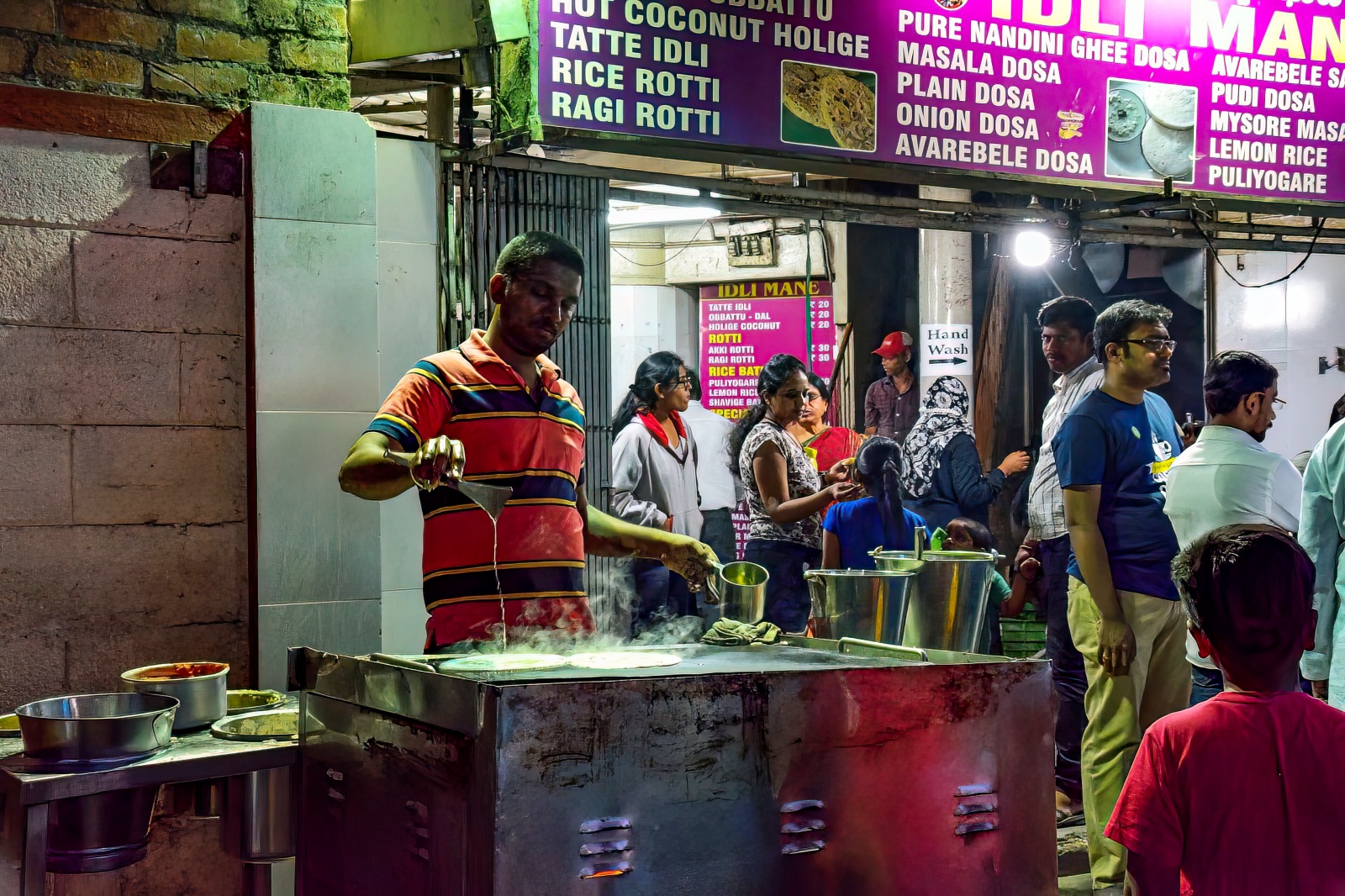 Many roadside stalls and restaurants may use large amounts of oil or butter to enhance taste, which increases calorie and fat intake: Dietician Drishya Ale
What makes masala dosa healthy—or unhealthy?
Several factors determine whether a masala dosa fits into a balanced diet. Ingredients, cooking practices, portion size and side dishes can all influence its nutritional value.
Story continues below this ad
“Excessive oil, butter, or ghee can increase calorie and fat content.”
Large portion sizes or eating multiple servings can also significantly increase calorie intake. On the other hand, pairing dosa with nutritious sides can improve the overall quality of the meal. “Nutritious sides like sambar add protein and fiber, while overly oily chutneys may increase fat content.”
Cooking methods play a key role
How the dosa is prepared can make a noticeable difference. A dosa cooked with minimal oil and filled with lightly sautéed potatoes is generally healthier than one prepared with large amounts of butter or oil.
Adding vegetables such as peas, carrots, or onions to the filling can also boost its nutritional value. Balanced fermentation and good-quality ingredients further improve both digestibility and nutrient value.
Story continues below this ad
What about restaurant or street-style dosas?
Many people enjoy dosas from roadside stalls or restaurants, but these versions may sometimes contain higher amounts of oil or butter. “Many roadside stalls and restaurants may use large amounts of oil or butter to enhance taste, which increases calorie and fat intake.” Hygiene and ingredient quality may also vary depending on the establishment.
That said, the expert notes that occasional indulgence is generally not a concern. “While an occasional masala dosa from outside is generally fine, frequent consumption of heavily greased versions could contribute to excessive calorie intake.”
For most healthy individuals, masala dosa can still be part of a balanced diet if eaten in moderation, as part of a balanced diet, say, once a week. Pairing it with protein-rich sambar, keeping portion sizes in check and limiting added fats can help make this classic dish a healthier choice.

Light on truth: on the Tamil Nadu G.O. and RTI
By Sohail Khan · 29 Sep
Tackling food loss and waste — India’s opportunity
By Sohail Khan · 28 Sep
Revisiting the farmer question
By Sohail Khan · 28 Sep