This Texas couple said no to a national park in 1972 and walked away with $55,000 and a home for life
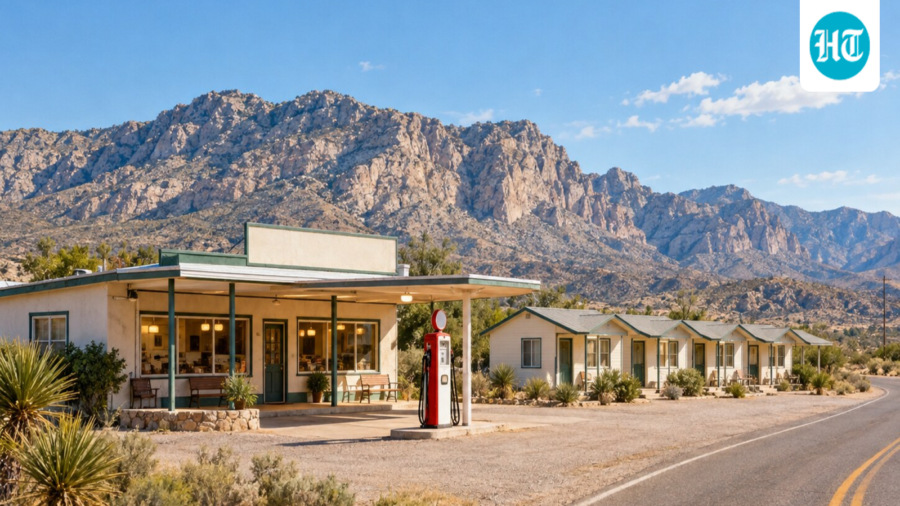
A Texas couple refused to sell to Guadalupe Mountains National Park. A 1972 court ruling gave them ,000 and the right to stay on their land for life.
Published on: Sep 29, 2026, 03:52:44 IST
Prefer HTon Google
Share via
Copy link
Most people cheer when a new national park opens. In the 1960s, however, not all West Texans shared that enthusiasm for the new park. Congress authorized Guadalupe Mountains National Park in 1966, and, as the National Park Service's history of the Pine Springs Store explains, Walter and Bertha Glover operated a small roadside store and café within its soon-to-be boundaries. The agency describes the store as a significant rest stop for nearly three generations of travelers. But the Glovers didn’t want a park there at all.
A small business by the highway
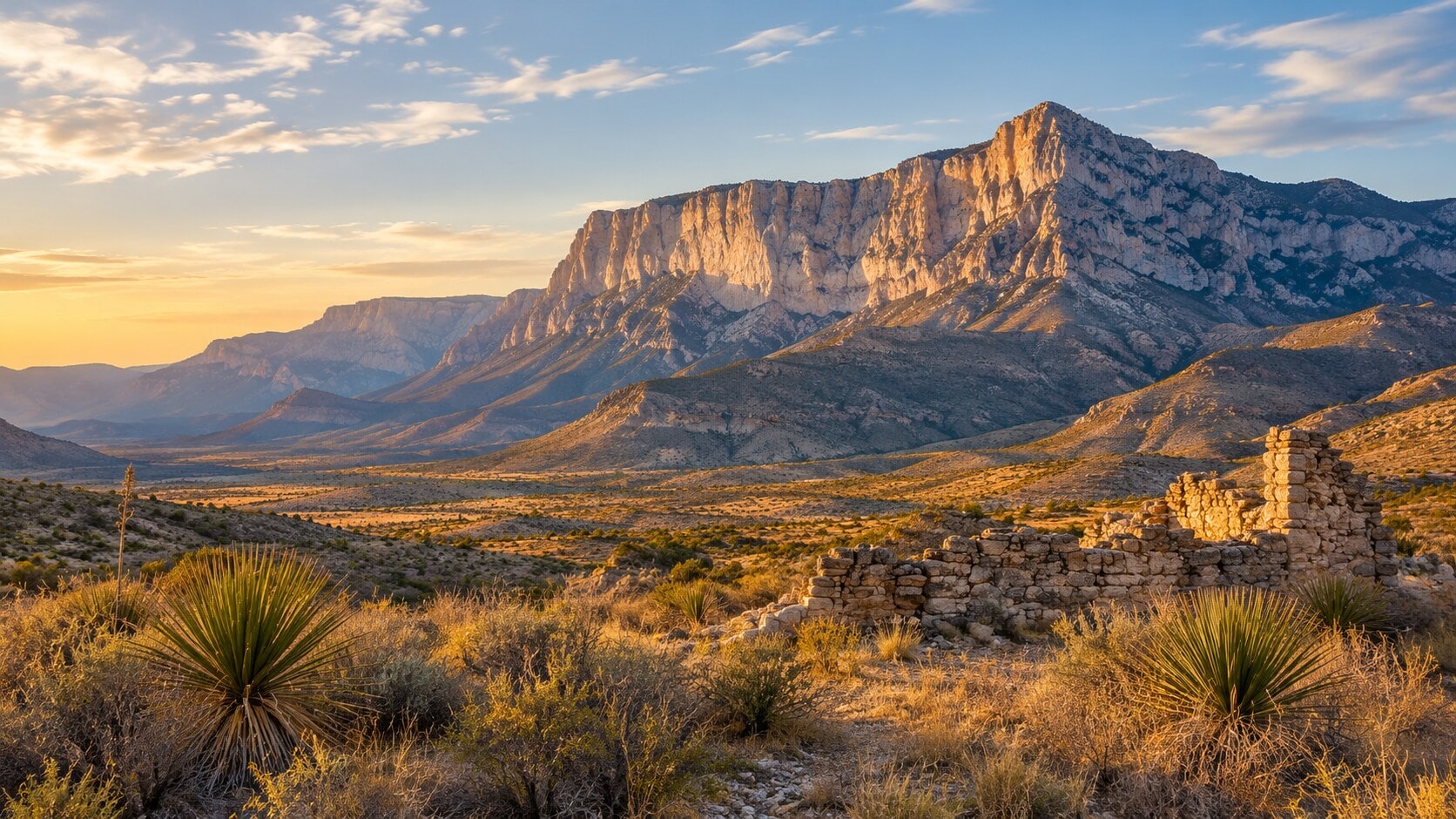
Walter Glover purchased land near Pine Springs in 1913. Eventually he and his wife Bertha opened a gas station, store, café, and a motel with cabins. The park service history notes that all the park wanted was 80 acres out of 4,000 that Glover owned. This parcel included access to Pine Springs Canyon, where the ruins of an old stagecoach station stood.
They refused again and again
The agency’s account says the Glovers did not learn about the park proposal until 1964 and were very upset about it. That spring, when a park advocate came by, they ran him off their land. Federal negotiator J. E. Williamson said in December 1969 that Bertha would only speak about their refusal to deal with the park. Her brother, a retired park ranger, told him he doubted there was an answer and suggested waiting until both Glovers were dead. A month later, Bertha said they wouldn't sell for less than a million dollars but also asked what the government might offer.
Deep Dive
Powered ByAsk
An offer they turned down
According to the administrative history, one park official reportedly thought a life estate would soften the blow of condemnation. In April 1970, the Park Service offered $35,000 and a life estate, which is a non-transferable right to continue operating their business as long as they wanted or lived. The Glovers refused, and so condemnation proceedings began.
The court’s decision
The The condemnation judgment was filed March 10, 1972, nearly two years after the April 1970 offer. Because the land had water wells, the Glovers got $55,000, $20,000 more than the government’s valuations. In Guadalupe Mountains: An Administrative History, the park service reports that the Glovers agreed to the settlement and were given the right to remain on their property and continue their business until the death of the last spouse. The Pine Springs page adds that theirs was the last land acquired before the park was officially established on September 30, 1972.
Life after the ruling
Walter died in 1973 at 94. The administrative history states that Bertha continued to run the café until her death at 89 in August 1982. A month later, park staff met with her daughter, Mary Glover Hinson, who lived with her, to discuss closing the business.
Hinson requested time, and a deadline of December 31, 1982, was set. But her story made it into a national newspaper. Senator Lloyd Bentsen requested an extension, and Superintendent William Dunmire agreed to let her stay. In 1984 and 1985, he renewed her permit, and she paid $50 a month for rent and water charges. Plans to record the buildings never came to pass, as Hinson was still there. She was able to stay, in part, because of public and congressional backing.
In the spring of 1986, new superintendent Richard Smith set the last day to November 1, 1986. Interior Secretary Donald Hodel, told of her case by Bentsen, who had heard of her case from Bentsen, overturned the decision and let her stay until January 1, 1992. At that time, she was living in El Paso, and the store was run by the spouse of a highway department employee. The café closed down permanently at the end of 1992, and the site was cleared in 1994.
A lesson beyond Texas
The park service didn’t hide the tension. Its page says the Glovers’ long resistance is a reminder of the costs and consequences that often come with creating national parks. So next time you’re wandering through a national park, you might wonder if the land tells a more human story. This one started with just a cafe by a highway.
See Less

Trump mocks ‘Sleepy Joe’, then appears to doze off during $15B steel plant announcement
By Sohail Khan · 29 Sep


Leave a Reply