Shweta Kawaatra on why weight training is a ‘game-changer’ in menopause: ‘Can still squat out my teenage self’

Actor Shweta Kawaatra recently shared a detailed note on how weight training has helped her during menopause. The 50-year-old took to Instagram to share, “Here I am at 50 and proof that I can still out squat my teenage self (even if I need a little more coffee first). Let’s talk about why weight training is a game-changer during menopause.”
She then went on to mention how it helps one’s bone health, muscle strength, joint health and even one’s mood and cognitive health.
To verify, we reached out to experts.
Story continues below this ad
Menopause marks not just the end of menstrual cycles. “It involves significant hormonal changes, especially a drop in estrogen. This hormone is essential for maintaining bone density, muscle mass, and metabolic health. Weight training is an effective way to address these changes naturally. It helps women stay strong, active, and healthy,” said Dr Richa Bharadwaj, consultant obstetrician and gynaecologist, Wockhardt Hospitals, Mumbai Central.
Exercise doesn’t replace estrogen, but it helps the body adjust to its decline. “Strength training boosts insulin sensitivity, promotes better fat distribution, and helps maintain lean muscle—all influenced by hormonal changes. It enables the body to work more efficiently despite lower estrogen levels,” noted Dr Bharadwaj.
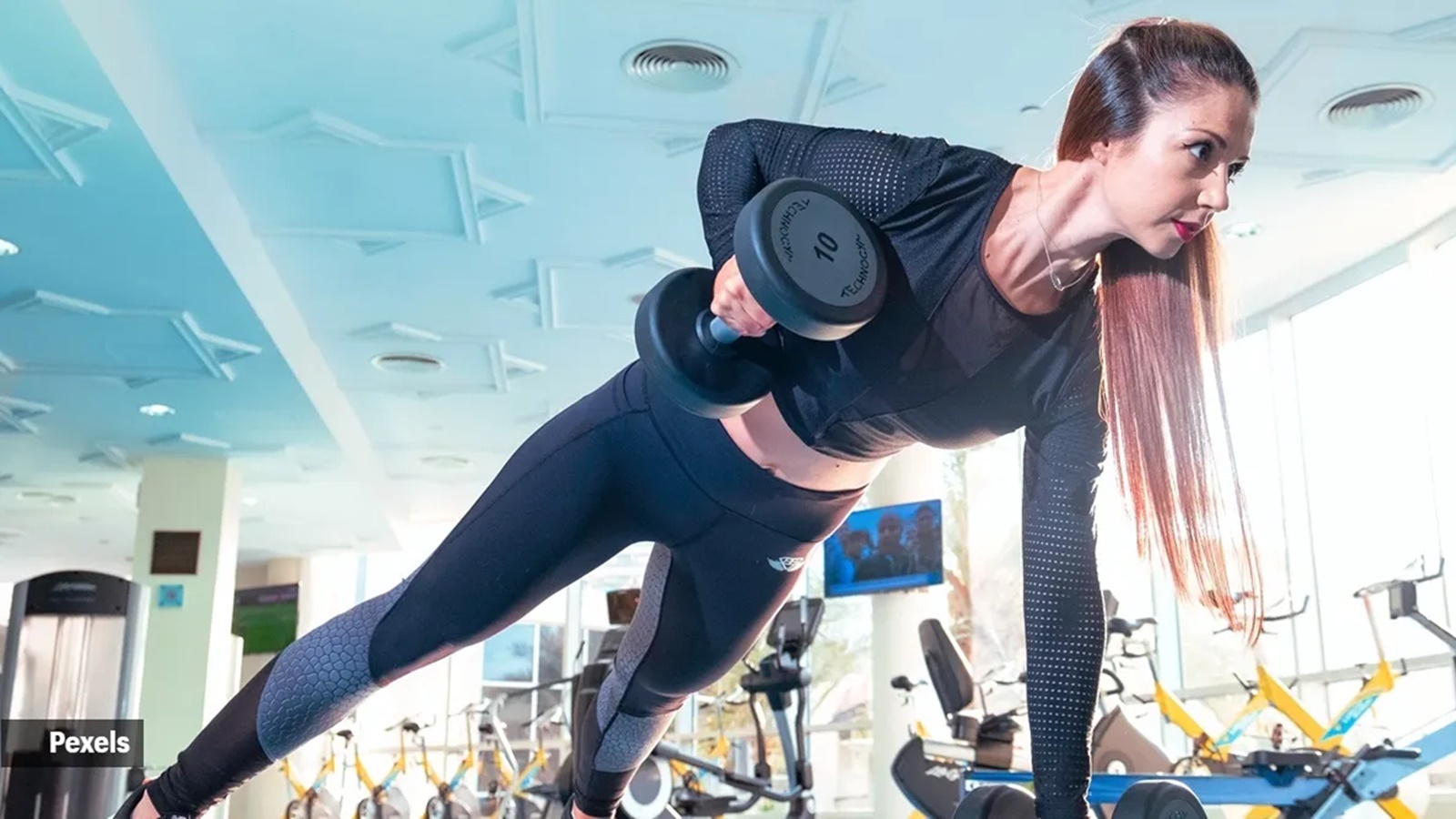 Strength training does help
Dr Sarang Deshpande, consultant orthopaedics and joint replacement, KIMS Hospitals, Thane, mentioned that bones respond to load.
“When you do resistance or weight-bearing exercises, it stimulates bone-forming cells, which helps slow down bone loss. This is especially important after menopause, when the risk of osteoporosis increases. Regular strength training can greatly lower the chances of fractures and long-term bone problems,” said Dr Deshpande.
Story continues below this ad
Notably, muscle mass naturally decreases with age, and this process speeds up during menopause. “Strength training helps preserve and even build lean muscle, which keeps metabolism more active. This supports better weight management and helps control blood sugar levels; both can become difficult during this time,” said Dr Deshpande.
View this post on Instagram
A post shared by Shweta Kawaatra (@shwetakawaatra)
Stronger muscles support joints better, reducing strain and discomfort. Additionally, improved muscle strength enhances balance and coordination, reducing the risk of falls; this is a key concern as the body undergoes hormonal and physical changes.
Does weight training have any impact on mental well-being?
Strength training is known to release endorphins, which help improve mood and reduce anxiety. “Many people also report better sleep and increased confidence as they feel stronger and more in control of their bodies during a time that can feel unpredictable,” said Dr Deshpande.
What happens if one avoids strength training during menopause?
A sedentary approach can speed up bone loss, muscle weakness, and metabolic slowdown. “This may lead to weight gain, reduced mobility, joint discomfort, and a higher risk of falls or fractures. Over time, even regular activities can begin to feel physically challenging.”
What helps?
Start small and stay consistent. Even two to three sessions a week with basic resistance exercises can make a noticeable difference. “The goal is not intensity but regularity; focus on building strength steadily while listening to your body,” said Dr Deshpande.
Story continues below this ad

Light on truth: on the Tamil Nadu G.O. and RTI
By Sohail Khan · 29 Sep
Tackling food loss and waste — India’s opportunity
By Sohail Khan · 28 Sep
Revisiting the farmer question
By Sohail Khan · 28 Sep