‘Has at least 50 benefits’: Expert explains what amla can — and can’t — do
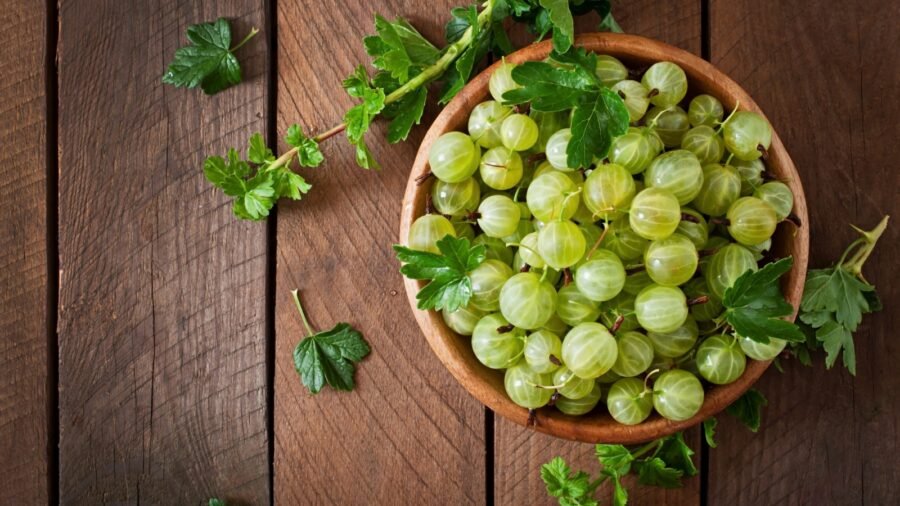
“There is one fruit that you get for Rs 5 in your kitchen or market. And it has at least 50 benefits.” That’s how gastroenterologist Dr Manav Wadhawan recently introduced one of India’s oldest superfoods in an Instagram video.
Highlighting its nutritional value, he said, “Vitamin C is equal to 20 oranges. It has fibre, which is good for the gut. It reduces cholesterol and sugar. It has antioxidants—gallic acid, ellagic acid and flavonoids. All these protect your liver from oxidative damage.”
He further added, “It has fibre, which is food for your gut bacteria. It also relieves constipation. So, why don’t we eat a small fruit that has so many benefits? What is it called? Amla. Add two amlas to your diet every day, and you’ll feel the difference.”
While amla (Indian gooseberry) has long been celebrated in Ayurveda and traditional diets, how much of these claims are backed by science?
According to Dr Anjana Kalia, Ayurvedic Doctor & Nutritionist, Bloom Clinix, the fruit certainly deserves its reputation, but with some important caveats.
Can amla really improve liver and gut health?
Dr Kalia says scientific evidence supporting amla’s benefits is growing, although it should be viewed as a supportive food rather than a standalone treatment.
Story continues below this ad
“Amla has a mounting number of studies indicating possible benefits to liver and gut health, but the evidence is more robust for its use as an adjunct dietary food versus a treatment on its own,” she says.
According to her, the fruit’s rich antioxidant profile—particularly vitamin C and polyphenols—may help reduce oxidative stress and inflammation, two processes linked to fatty liver disease and liver injury.
“It also contains fibre and bioactive compounds that may promote healthy digestion and support beneficial gut bacteria,” she adds.
However, she cautions that most studies conducted so far have involved relatively small groups of participants.
Story continues below this ad
“Larger human clinical trials are still needed. One to two fresh amlas can be included in your daily diet as part of a healthy eating pattern, but they should not replace medical treatment for liver or gastrointestinal disorders,” says Dr Kalia.
View this post on Instagram
A post shared by Dr. Manav | Liver & Metabolic Health (@dr_manav_wadhawan)
What makes amla so nutritious?
“Vitamin C is a powerful antioxidant that helps protect liver cells from oxidative damage while also supporting the immune system,” explains Dr Kalia.
She adds that polyphenols and other antioxidant compounds may help reduce chronic inflammation, which plays a role in the development of liver disease.
The fruit is also naturally rich in dietary fibre. “Fibre helps maintain regular bowel movements, improves digestion and acts as a prebiotic by feeding the beneficial bacteria in the gut, helping maintain a healthy gut microbiome,” she says.
According to Dr Kalia, these nutrients collectively support digestion and overall gastrointestinal health.
Story continues below this ad
Can amla lower cholesterol and blood sugar?
“Regular consumption of amla may help lower LDL (‘bad’) cholesterol and triglycerides while providing a modest increase in HDL (‘good’) cholesterol,” says Dr Kalia.
Its fibre and antioxidant compounds may also improve insulin sensitivity and help lower fasting blood sugar levels.
These benefits are particularly relevant for people with:
* Prediabetes
* Type 2 diabetes
* Metabolic syndrome
* Mildly elevated cholesterol levels
However, she emphasises that amla should be seen as a complementary addition to a healthy lifestyle—not a replacement for proven therapies.
“Amla should be used as a supportive functional food, not as a treatment. It is not a substitute for prescribed medications or lifestyle interventions such as a balanced diet and regular physical activity,” she says.
Story continues below this ad
She also advises caution for people taking diabetes medications. “Those on diabetes drugs should monitor their blood sugar, as amla may enhance the glucose-lowering effects of these medicines,” Dr Kalia notes.

Expert explains: Why is Kenyan President William Ruto targeting Indian companies?
By Sohail Khan · 7 Sep
FSSAI hing alert: How to make your own asafoetida powder that lasts a year
By Sohail Khan · 7 Sep
Taapsee Pannu’s Gandhari diet: What she ate for strength, stamina and recovery
By Sohail Khan · 7 Sep