FSSAI hing alert: How to make your own asafoetida powder that lasts a year
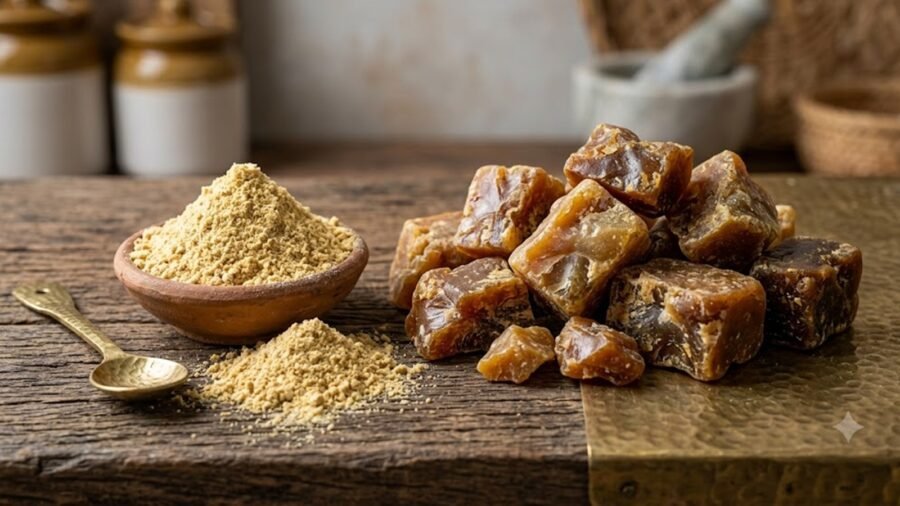
A pinch of hing or asafoetida can make a simple dal or sabzi taste better. But what if the spice you are adding to your food contains more fillers than asafoetida? The Food Safety and Standards Authority of India (FSSAI) recently issued prohibition orders against major brands over the sale of substandard and misbranded compounded hing powder, with laboratory tests confirming that some samples had alcohol-soluble extract levels of 0 to 4.4 per cent, below the legally prescribed minimum of 5 per cent.
The Press Information Bureau’s notification noted that raw hing samples also contained 15 to 32 per cent starch, far above the permitted limit of 1 per cent. So, when we came across chef and food blogger Uma Raghuraman’s latest video on making “fresh” and “pure” hing at home, we decided to verify.
According to chef Uma, one should get a block of hing and make a batch of the asafoetida powder. “Lasts easily for a year when stored in a clean, dry, odour-free airtight container,” she said in her Instagram post.
*Chop your compounded hing block into smaller pieces using kitchen scissors or a sharp knife. If the block is very hard, you can warm it briefly in a pan or microwave it for 30 to 45 seconds to make it pliable.
*Dry roast by placing the pieces in a dry pan over a low flame. Roast slowly for 8 to 10 minutes until the pieces puff up, turn slightly lighter or golden, and become crisp. Avoid high heat, as burning the resin will make it bitter.
*Cool completely. Transfer the roasted pieces to a plate and let them cool down completely. If you try to grind them while warm, the resin will turn sticky and gum up your grinder. Once ground, your asafoetida powder is ready. Store it in a dry, odourless bottle.
First, let’s understand where hing actually comes from.
Story continues below this ad
The hing we use in our kitchens starts its journey as an oleo-gum-resin, a sticky, milky extract obtained from the underground roots and rhizomes of the Ferula plant. “It is not a mineral or something that comes from a rock, although once it dries, it can look exactly like a little piece of rock,” said Chef Shipra Khanna.
The resin is collected from the plant’s living root and, when exposed to air, gradually dries and hardens into these intensely aromatic, irregular lumps of raw hing. “The fascinating part is that raw hing is incredibly concentrated. Its characteristic pungent smell comes largely from its volatile, sulphur-containing compounds. That’s why you need only a tiny amount to flavour an entire dish,” said Khanna.
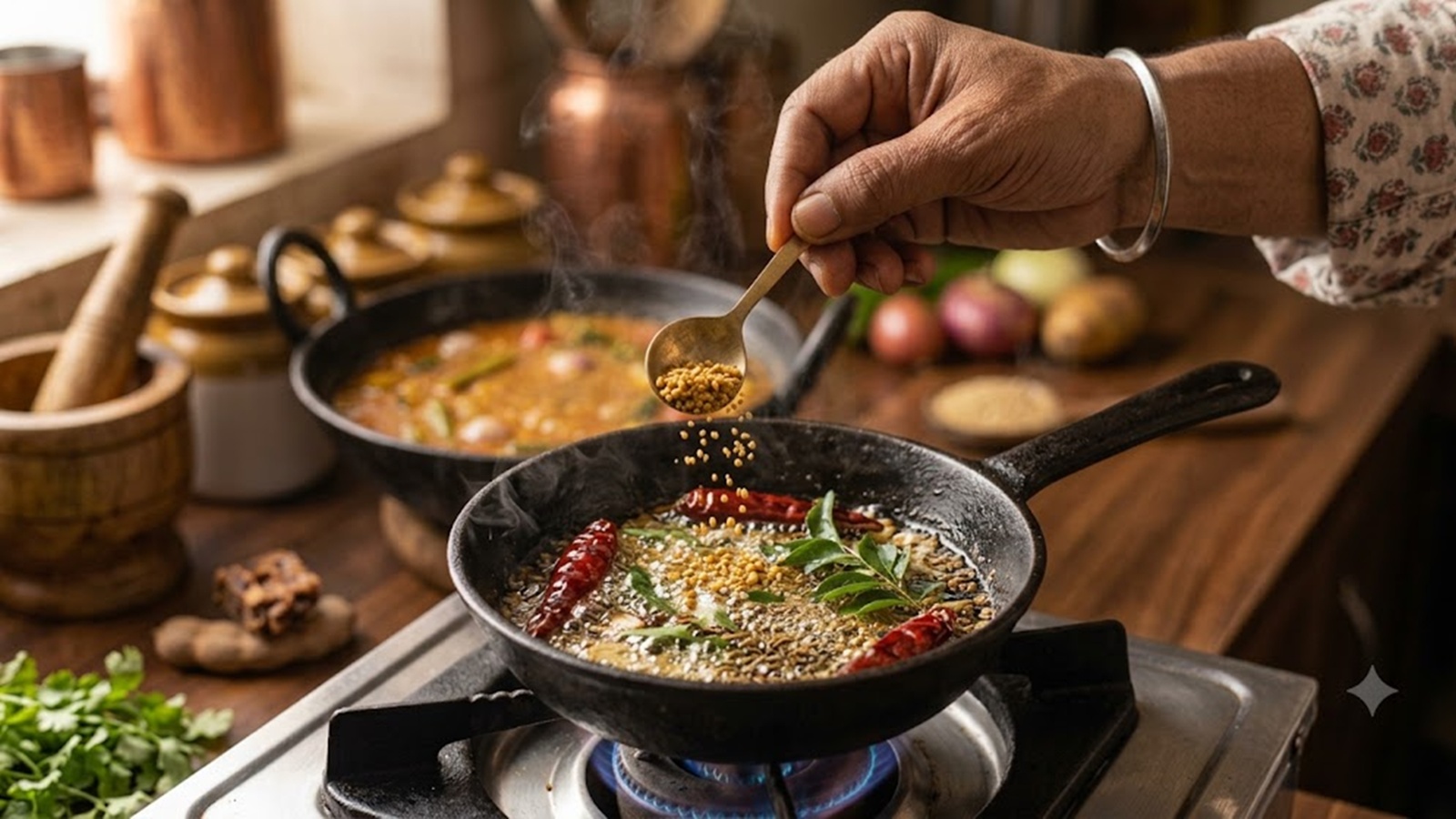 Hing is a seasoning, not a food that needs to be consumed in large amounts
Traditionally, this raw hing is processed and blended with edible starch, flour and/or gum arabic to make what we commonly buy as compounded or powdered hing. “The dilution makes it much easier to grind, measure, store and use in everyday cooking, while allowing that distinctive flavour and aroma to spread evenly through the dish,” said Khanna.
In India, you’ll commonly hear of Pathani and Irani hing, referring to traditional sources/types of raw asafoetida. Much of the asafoetida used in India has historically come from regions including Afghanistan and Iran, mentioned Khanna.
Story continues below this ad
Consultant dietitian Garima Goyal noted that while making hing at home is a useful kitchen tip, “there are a few nutritional and food-safety points worth noting”. “Hing is actually an oleo-gum-resin obtained from the roots and rhizomes of Ferula species, and the solid resin is extremely concentrated and pungent. FSSAI distinguishes pure asafoetida from compounded asafoetida, the latter being made by blending asafoetida with ingredients such as gum arabic, edible starches or edible cereal flour,” said Goyal.
The basic homemade process is fairly straightforward. “The important point is not to burn it while dry roasting. Overheating can make the hing smoky and bitter, while grinding it while it is still hot can make it sticky. Small batches are preferable because they help preserve the strong aroma and flavour,” said Goyal.
View this post on Instagram
A post shared by Chef Uma Raghuraman (@masterchefmom)
There is also an important ingredient-label issue that consumers should know about. “Homemade powder made from a good-quality solid hing block can avoid the additional starch or cereal flour present in some compounded products, but store-bought hing is not automatically inferior,” said Goyal.
For people with celiac disease or wheat allergy, the label deserves particular attention because compounded hing may contain wheat or other cereal flour. “Choosing a product explicitly labelled wheat-free or gluten-free, as appropriate, is safer than assuming that every hing powder is pure asafoetida. FSSAI’s standards specifically recognise cereal flour as an ingredient that may be used in compounded hing.”
As for quantity, hing is a seasoning, not a food that needs to be consumed in large amounts. “For everyday cooking, a small pinch is generally enough, particularly when using freshly prepared powder because it can be much more potent than an older commercial powder. It is commonly added to the hot oil or ghee during tempering and then incorporated into dal, sabzi, kadhi, sambar and other preparations. There is no nutritional reason to take large amounts of hing or to consume it as a concentrated “health shot”. The purpose is primarily flavour, with its traditional use in legume-based dishes also reflecting its association with easier digestion,” said Goyal.
Story continues below this ad
So, is homemade hing better than store-bought?
If you start with a high-quality solid hing block, homemade powder can offer strong flavour and gives you greater control over what you are using. “But commercially packaged hing from a reputable, compliant manufacturer is not inherently unhealthy. The better choice is ultimately the one with clear ingredient labelling, good packaging, reliable sourcing and appropriate composition for your dietary needs,” said Goyal.

Good foundation: on India’s strong industrial growth performance
By Sohail Khan · 1 Oct
Bitter pills: on Court’s intervention, drug pricing
By Sohail Khan · 1 Oct
Household debt, financing today against tomorrow
By Sohail Khan · 1 Oct