4 overlooked muscles that matter for healthy ageing
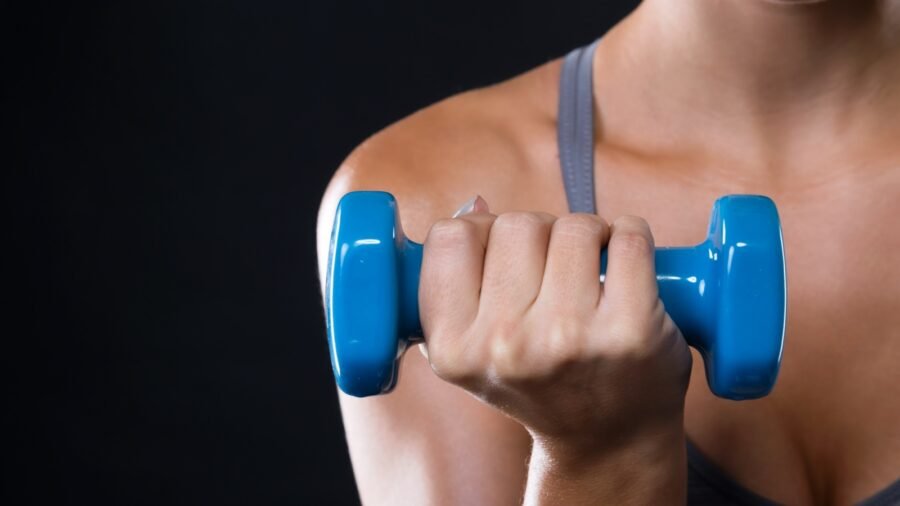
Health and wellness platform CleanseDForLife recently highlighted four muscle groups often overlooked when people focus on fitness: grip strength, hip abductors, calf muscles, and the diaphragm. In an Instagram post, the platform noted that while people tend to train the muscles they can see, these lesser-discussed muscles support important aspects of healthy ageing, including mobility, fall risk, and overall resilience.
But why do these muscles matter, and should you really start training them decades before old age? According to Dr Lakshya Bhaktyani, Physiotherapy, PSRI Hospital, maintaining strength across these areas can support physical independence as we age.
Story continues below this ad
Grip strength: More than just a strong handshake
“Grip strength is a general measure of muscle strength and is important for activities of daily living, e.g. carrying bags, opening jars and holding yourself up when standing up,” Dr Bhaktyani tells indianexpress.com. Maintaining grip strength can therefore help older adults continue performing routine tasks independently.
Hip abductors: The muscles that help keep you steady
“The hip abductors help to stabilise your pelvis and help with balance when you are standing or walking,” says Dr Bhaktyani.
This becomes particularly relevant when an older person needs to change direction, step over an obstacle or recover from a slight loss of balance.
Calf muscles: Essential for walking and stability
The calf muscles support everyday movements that are easy to take for granted, including walking, climbing stairs, and maintaining ankle stability.
Story continues below this ad
“Calf muscles help you walk, climb stairs and keep your ankle stable,” Dr Bhaktyani says. Maintaining calf strength can therefore contribute to mobility and functional independence later in life.
Diaphragm: Don’t forget the muscle that helps you breathe
Unlike the other muscles on this list, the diaphragm is not something most people associate with strength training. Yet it is the primary muscle responsible for breathing.
“It is the main muscle of breathing and allows for effective ventilation and contributes to cough strength and exercise capacity,” explains Dr Bhaktyani.
Respiratory muscle strength can become increasingly important with age because maintaining adequate breathing capacity supports physical activity and exercise tolerance.
View this post on Instagram
A post shared by @cleansedforlife
How do these muscles affect fall risk and resilience?
“Weakness of the hip and calf muscles can affect gait and stability, increasing falls risk, while poor grip strength can make it harder to use railings or recover from a loss of balance,” says Dr Bhaktyani.
Story continues below this ad
Respiratory muscle weakness can also reduce exercise tolerance, potentially making physical activity more difficult. Together, these functions can influence how independently a person moves and manages everyday tasks. However, Dr Bhaktyani cautions against treating any four muscles as a definitive predictor of how someone will age.
“Their combined function provides a hint of strength, mobility and physiologic reserve although no four muscles can literally predict exactly how a person will age,” he says.
What can you do in your 30s and 40s?
“Almost any age can still maintain or improve strength with regular resistance and functional training,” Dr Bhaktyani says.
For people in their 30s and 40s, he suggests incorporating exercises such as:
Story continues below this ad
* Grip: Farmer’s carries and dedicated grip exercises
* Hip abductors: Side leg raises and resistance-band hip exercises
* Calves: Calf raises
* Overall lower-body strength: Squats and lunges
* Functional strength: Stair climbing
* Cardiorespiratory fitness: Regular aerobic activity
* Breathing: Breathing exercises
For beginners, technique matters more than intensity. Dr Bhaktyani recommends gradually increasing the workload according to fitness level. “The key is consistency and gradual progression, not waiting until old age,” he says.

Sea level rise: Can a country retain its statehood even if it loses its territory?
By Sohail Khan · 28 Sep
No fuel without PUC in Delhi: What this certificate says about your vehicle
By Sohail Khan · 28 Sep