INS 330, INS 322, INS 551: What these numbers on packaged foods actually mean
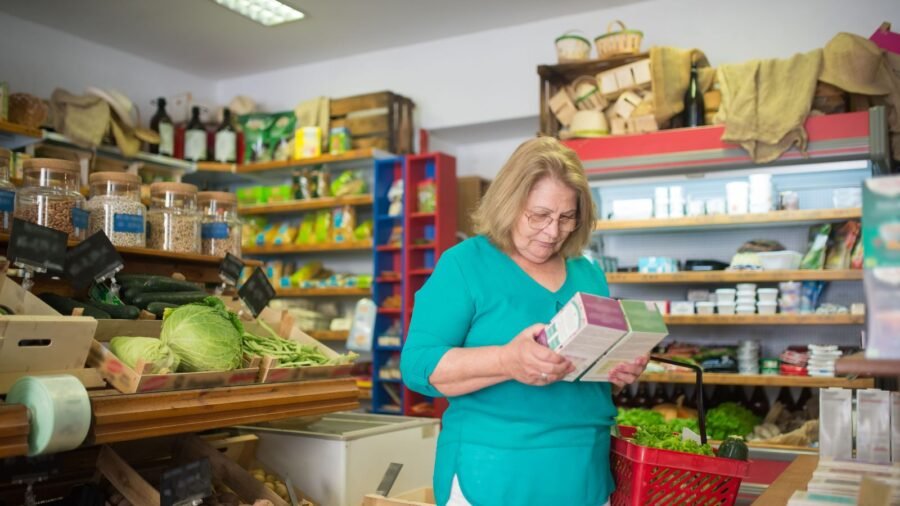
If you have ever looked at a food packet and wondered what numbers like INS 551, INS 330, or INS 322 mean, we’ll simplify it for you. INS in food packets stands for the International Numbering System for Food Additives, which standardises the naming of food additives globally and makes it easier for consumers and regulators to identify and understand the additives in food products.
Explaining further, Richa Sharma, Consultant Dietetics at Kailash Deepak Hospital, says, “It is basically a numbering system used to identify the different food additives added to packaged foods.”
The system was developed under the Codex Alimentarius Commission, a body jointly established by the Food and Agriculture Organization (FAO) and the World Health Organization (WHO) to create international food standards. For instance, instead of printing a name such as monosodium glutamate in full, manufacturers can use a short code such as INS 621, usually alongside the additive’s functional class.
Story continues below.
Subscribe to see fewer ads.
What INS 551, INS 330 and INS 322 mean
Explaining each term in detail, she says, “INS 330 stands for citric acid. It is used to control the sourness and acidity of a food and can also help maintain its taste.”
Moving to INS 322, she says that it refers to lecithins. “These are used to help ingredients such as oil and water mix properly. Lecithins can also naturally occur in foods such as soy and eggs,” she adds.
INS 551 is silicon dioxide, which is mainly used in powdered foods to prevent them from sticking together and forming lumps. Therefore, it helps keep the product free-flowing.
Story continues below this ad
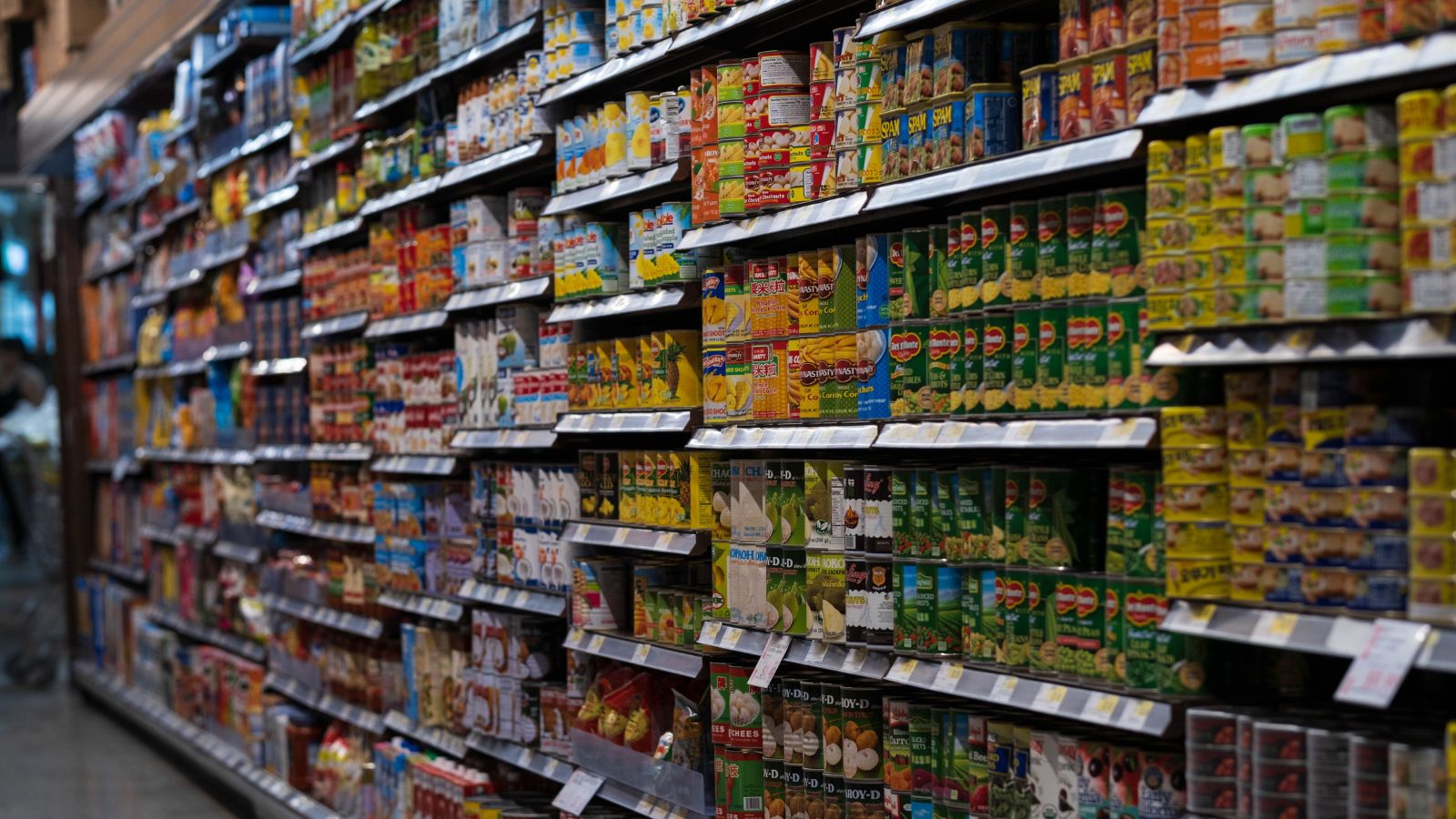 INS numbers identify food additives added to packaged products for specific purposes.
Are food additives with INS numbers unsafe?
Seeing an INS number on a packet does not automatically mean that the food is unhealthy or unsafe.
“The number simply tells you what additive has been used and why,” Sharma says.
However, when choosing packaged food, we should not focus only on these numbers.
Sharma adds, “Check the overall ingredient list and nutrition information, especially the amount of sugar, salt, fat and fibre. That gives you a much better idea of how healthy the product actually is.”
Story continues below this ad

Postcards from Mira and Shahid Kapoor’s Italian getaway: ‘La Dolce Vita’ essentials
By Sohail Khan · 3 Oct
Cancer warrior Manisha Koirala on rebuilding fitness: ‘It’s always a team effort’
By Sohail Khan · 3 Oct
Narendra Modi’s 25 years have been about building the nation
By Sohail Khan · 3 Oct
Leave a Reply