In 1994, 100 obsolete battle tanks were sunk off Alabama; three decades later, they remain underwater fish habitat
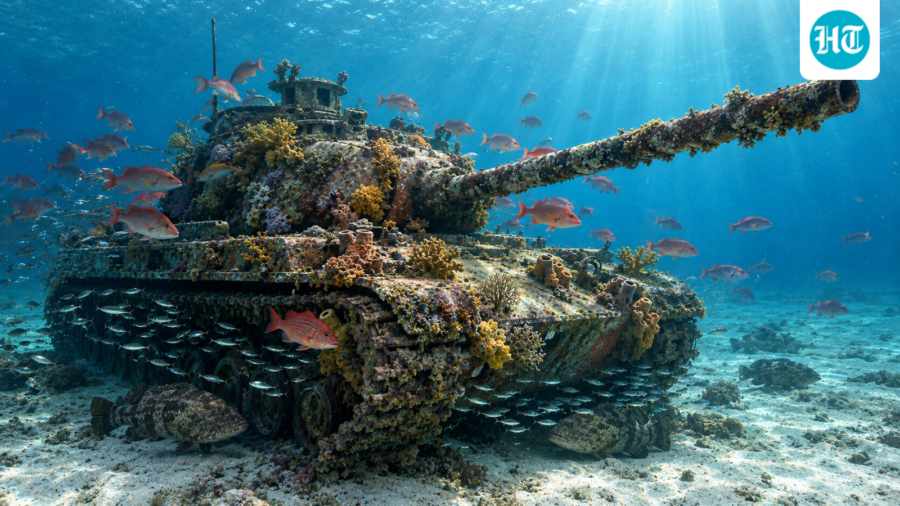
In 1994, Alabama sank 100 cleaned-out battle tanks to build fish reefs. The state agency projects they could last about 50 years, until 2044.
Published on: Oct 1, 2026, 19:50:11 IST
Prefer HTon Google
Share via
Copy link
Battle tanks were built to roll across land, not to rest on the sea floor. Yet in 1994, 100 of them took a one-way trip to the bottom of the ocean off Alabama, and fish were supposed to move in. In 1993, the military needed a way to retire obsolete battle tanks. According to the Alabama Department of Conservation and Natural Resources, the tanks went down in three rounds in 1994, with six on June 1, 58 in late July, and the last 36 on September 26.
Why sink tanks at all?
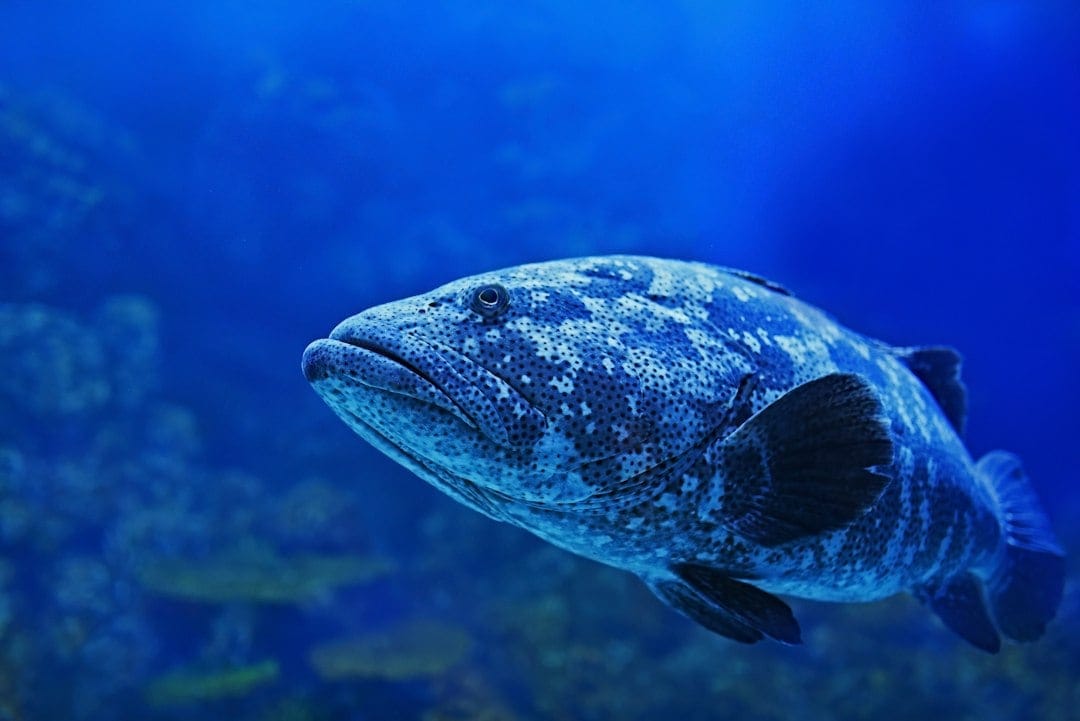
The military realized that dropping tanks into the sea could be a good way to get rid of them. That's when the idea reached the Alabama Marine Resources Division, which started building a plan. This matters to Alabama because the sea floor off its coast is mostly flat sand. Flat sand attracts few fish that people want to catch, but add something tall to the mix, and you'll likely see some snapper and grouper showing up. The program was named REEF-EX, where the federal and state agencies worked together.
First came the cleanup
The tanks weren’t just simply dumped. Inspectors from the EPA, the Army Corps of Engineers, the Coast Guard, and two agencies in Alabama examined them before every round. All oils, hydraulic fluids, fuel, munitions, and radioactive materials were removed by the crews. When the first six tanks sank, state officials reported they left no film, sheen, or debris on the surface.
How steel becomes a reef
Over time, corals and sponges can cover a sunken tank. Small animals move in first. Then come the larger fish to eat them, and even larger fish follow next. The process continues until a reef food web is established, according to the department. In the Hugh Swingle and Don Kelly North reef areas, these 100 tanks sit 70 to 110 feet underwater. They are open to divers and anglers.
What the research says
The question with artificial reefs is, are they increasing the number of fish or just attracting fish from the neighborhood? Useful numbers on where red snapper live come from a 2017 study published in Marine and Coastal Fisheries. NOAA and University of South Alabama researchers used data from a 2011 red snapper survey throughout the northern Gulf of Mexico. The study found that catch rates for the youngest red snapper were approximately 20 times greater on artificial structures than on natural reefs.
But there is a caveat. Those structures occupy only a small slice of the northern Gulf. They are estimated to account for less than 14 percent of the abundance of red snapper. Artificial structures, particularly oil platforms, tend to attract mostly juvenile fish. So their share of total red snapper biomass was even lower, at 7.8%. The study examined artificial structures in general, such as oil platforms and artificial reefs, so it is not a finding specific to tanks.
A long life, not a forever one
The state's conservative estimate put the tanks' lifespan at 50 years as reefs. Counting from 1994, that would run through 2044. It also projected that the tanks could have an economic impact in the millions of dollars over that time. However, it's worth noting that the 50-year number is a projection, not a guarantee.
The habit of giving old things new jobs
Alabama's was not the first reefing effort. The state's reef program started in 1953 when an association of charter boats requested that 250 car bodies be sunk off Baldwin County. Since then, the program has used culverts, bridge rubble, barges, boats, and planes. In 1974 and 1975, several old Liberty ships were sunk off Mobile and Baldwin counties. Think of it as upcycling but on a much larger scale.
Three decades on, a bigger question
Thirty-two years later, the 1994 tank drop stills answers a very common question: what should we do with large obsolete machines? Alabama’s answer was to give them a second job under the waves. While unwanted on land, these tanks ended up giving those little sea creatures a good home.
See Less



Leave a Reply