How Volkswagen Is Adapting Its Global Philosophy For Indian Buyers
Volkswagen has adapted its India-bound cars for potholes, heat, traffic and coastal conditions through an India-specific MQB platform, revised suspension and cooling systems, local sourcing and feature changes. The strategy has improved localisation, but buyers still need to weigh service reach, maintenance costs, insurance and resale value.
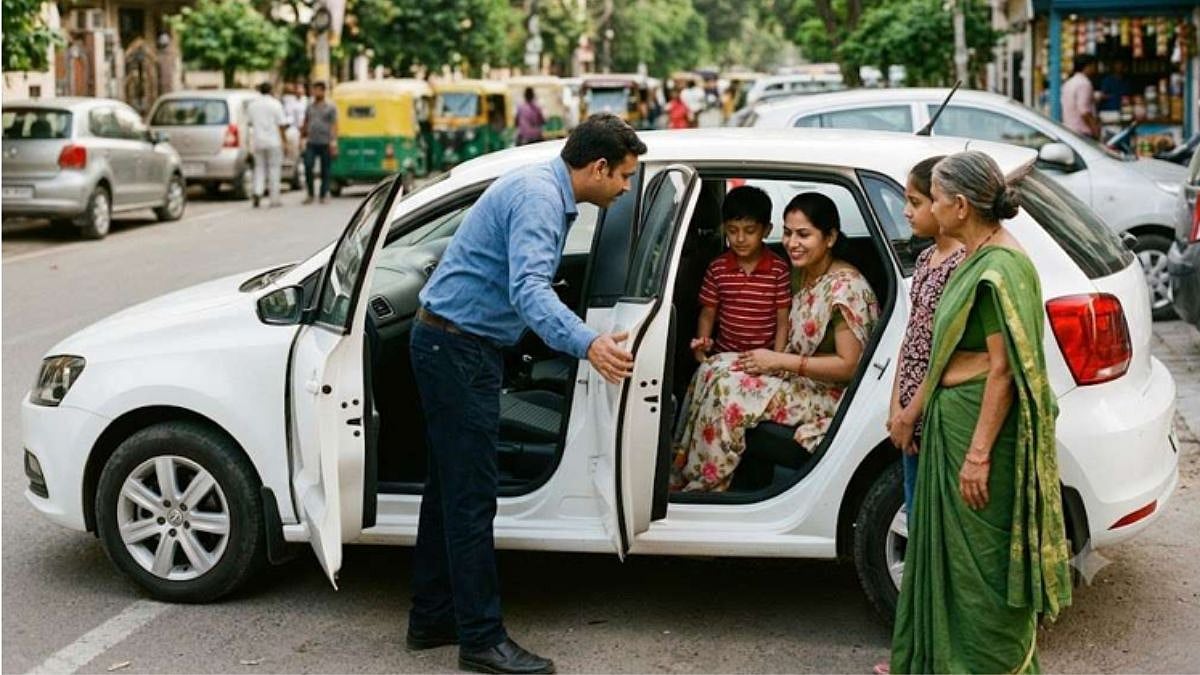
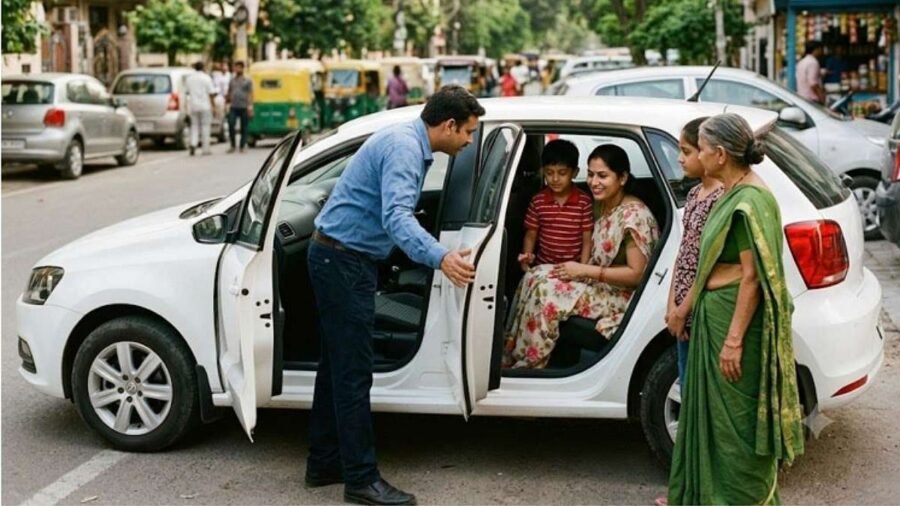
Volkswagen has adapted its vehicles for Indian road and climate conditions through localised platforms, suspension tuning and revised thermal management | File Photo
A German carmaker selling in India has one basic problem to solve. What works on an autobahn won't survive a stretch of road between Nashik and Pune in late July. Ask any owner who's taken a European sedan over an unmarked speed breaker in Bangalore – they'll describe the underbody scrape with painful precision. The brand's answer over the past few years has had less to do with new badges and more to do with re-engineering familiar ones from the floor up.
Why the India project rewrote the engineering order
The starting point was a platform decision, not a styling one. Rather than importing a global architecture and softening the trim around it, Volkswagen developed an India-specific version of its modular MQB platform, most of that work done at its technical centre near Pune. Platform-level changes shift how a car behaves. Localisation followed the same logic. A majority of sourcing from Indian suppliers does two things at once: it pulls the sticker price into a bracket Indian buyers will actually consider, and it keeps spare parts sitting at dealer level rather than on a shipping manifest. Anyone who's waited three weeks for an imported sensor knows exactly how much that second point is worth.
Tuning for potholes, heat and traffic that never moves
`;
Suspension work is where global philosophy meets Indian reality most bluntly. European tuning prioritises high-speed stability. Indian tuning has to absorb broken tarmac at 30 kmph without rattling the cabin apart, then still hold a line on the Mumbai-Pune expressway at 110 – sometimes within the same drive.
The compromise leans firm rather than plush. These cars feel taut on highways and a little busy over rough city surfaces. A trade-off, not a flaw.
Cooling is the quieter engineering story. Delhi summers and the stop-start crawl on Bangalore's Outer Ring Road put sustained load on radiators, AC compressors and dual-clutch gearboxes simultaneously – conditions that expose every shortcut a manufacturer took in thermal management. Indian-market cars get revised cooling packs and recalibrated blower settings for exactly this reason.
Coastal cities add another layer; any Mumbai driver can tell you that salt-laden air finds every unprotected weld. Anti-corrosion treatment on body panels is durability engineering for that environment.
Feature choices shaped by how Indians actually buy
Indian buyers read a specification sheet differently from European ones. A sunroof, ventilated seats and a wireless charging pad often carry more weight in the showroom conversation than damping rates or torsional rigidity figures. The variant strategy reflects that reality – feature-heavy mid-trims do most of the volume rather than base or top variants.
Engine choice tells a similar story. The turbocharged petrol route, a small three-cylinder for city use and a larger four-cylinder for buyers who want real highway pull, sidesteps the diesel question entirely. This aligns with fuel retail policy trends.
The Volkswagen Taigun is the clearest example of this approach: built on the India-specific platform, pitched at buyers who want a compact SUV that still drives like a real European car.
Safety positioning has shifted from footnote to headline. Most people assume Indian buyers only care about mileage. That's only half the story now. Multiple airbags, electronic stability control and reinforced body structures show up in actual sales conversations,, because buyers started asking about crash test ratings before asking about fuel efficiency. That change came from customers, not from marketing departments.
The trade-offs worth weighing before signing
None of this makes the ownership equation simple. Service network density is still thinner than that of established mass-market brands, especially in tier-two towns and smaller district centres. Buyers should physically check where the nearest authorised workshop sits before signing anything. A two-hour drive for a routine service changes the ownership experience considerably.
Running costs deserve honest scrutiny. Turbo-petrol engines want good-quality fuel and on-time oil changes. Dual-clutch automatics reward regular maintenance and punish neglect, and clutch pack work isn't cheap when it becomes necessary. Insurance premiums tend to sit slightly higher than comparable Japanese or Korean models, and periodic service costs generally follow the same pattern.
Resale is the last variable. The used-car market is unforgiving towards brands with smaller service footprints, and prices reflect that caution. The counter-argument holds up, though: build quality and driving dynamics tend to age well, so properly serviced examples usually find buyers who specifically want that character. Two different markets, essentially.
The adaptation is real but partial. The engineering has moved genuinely closer to Indian conditions. The ownership ecosystem is still catching up. Judge both halves separately.

Add As a
Trusted Source 




Leave a Reply