In 1997, Australia’s Western 5B coal mine closed; by 2020, its deep mining pit had been transformed into Lake Kepwari
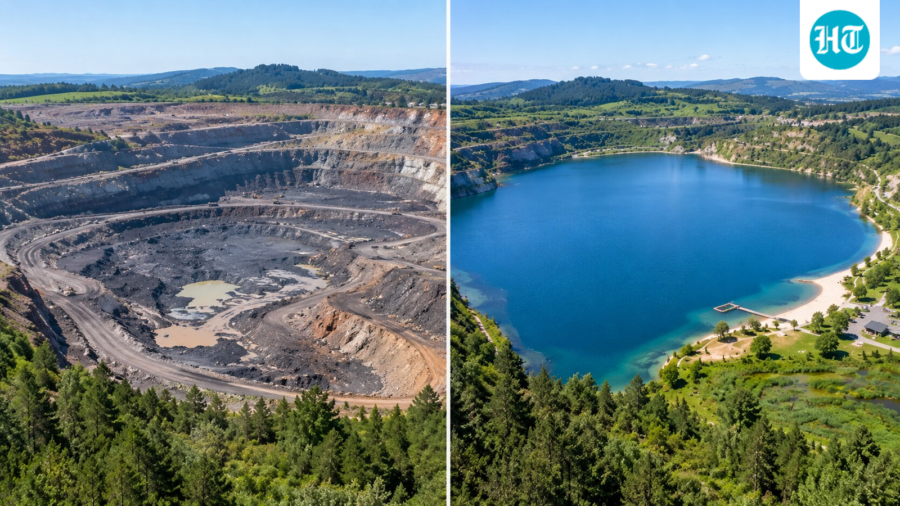
In 1997, Australia's Western 5B coal mine closed; by 2020, its deep mining pit had been transformed into Lake Kepwari
A former coal pit in Collie, Western Australia, is now a lake for swimming and boating, thanks to a river and patience.
Published on: Oct 1, 2026, 20:40:11 IST
Prefer HTon Google
Share via
Copy link
The mine closed in 1997 at the Western No. 5B, or WO5B, pit in Collie, Western Australia, leaving behind a large open mine void. The site is now known as Lake Kepwari, a recreational lake that supports activities such as swimming, boating and camping and reaches a maximum depth of about 65 meters. A case study published in the AusIMM Bulletin describes it as Western Australia's first successfully relinquished pit lake.
Collie lies about 160 kilometers south-southeast of Perth. More than 100 years of coal mining in the area has produced at least 13 pit lakes, all affected by acidic and metalliferous drainage. At WO5B, most reactive overburden and exposed coal seams were covered with waste rock. Parts of the mine-void edge were backfilled and graded to create beaches and an island, while more than 60 species of native vegetation were established through direct seeding.
Taking advantage of the river flow
Under natural conditions, groundwater would have taken about 100 years to fill the mine void. To accelerate the process, operators used seasonal diversions of water from the Collie River South Branch during winters from 2002 to 2008, when river flows were sufficiently high. The rapid-filling program brought the lake to its capacity volume, as limited by overflow culverts, in 2004, after which it was named Lake Kepwari. The final lake covers about 1 square kilometer and contains roughly 32 million cubic meters of water.
The first results were disappointing. River water initially pushed the lake's pH above 7, but the pH later fell below 4 after the river inflows stopped. Acid continued to form as exposed and reactive materials interacted with air and water, while acid mine drainage also left the lake short of phosphorus, limiting algal growth. One visual benefit was the water's unusually high clarity, which resulted from the lack of phytoplankton.
Nature then forced a change in approach. In August 2011, heavy rain caused the Collie River South Branch to overtop the diversion channel and the embankment separating it from Lake Kepwari. About 2 billion liters of river water flowed through the lake and substantially improved its water quality and ecosystem conditions. The event indicated that maintaining the lake as a flow-through system could provide a longer-term closure strategy.
A trial conducted from 2012 to 2014 tested that approach. It included more than two years of flow, a year without flow because of low rainfall, quarterly monitoring of the lake and river, and annual reporting to regulators and the community. The results showed that downstream river water quality was not significantly degraded by the flow-through system. The largest volumes of water leaving the lake generally occurred when the river was already flowing strongly, allowing greater dilution. The monitoring also indicated that the lake could remove sediment and some nutrient forms from the water as it passed through.
The permanent flow-through arrangement was approved in November 2018, and the civil works were completed in June 2019. Seasonal river flow now helps neutralize acidity generated by acid mine drainage in the backfilled waste rock and mine walls. Monitoring after the flow-through system was implemented found that lake pH was higher than historic levels and was trending upward. The case study also reported that the lake could improve some aspects of downstream water quality relative to the water entering it, particularly through the trapping of sediment and certain phosphorus compounds. This did not mean that the river itself was pristine: the case study notes that the historical river channel was already degraded, which was one reason the flow-through approach posed a relatively low additional risk to downstream water resources.
A related 2019 study in Mine Water and the Environment provides a glimpse below the surface. Researchers sampled three pit lakes in the Collie area in April 2013 and found that Kepwari had the greatest diversity of small aquatic organisms among the lakes examined, with an average of about seven different taxa per sample compared with roughly three at Lake Stockton. In another lake with acidic, metal-rich water, animal communities appeared to be associated with leaf litter and other organic material. The researchers suggested that plant material could provide a food source for organisms living in pit lakes despite poor water chemistry.
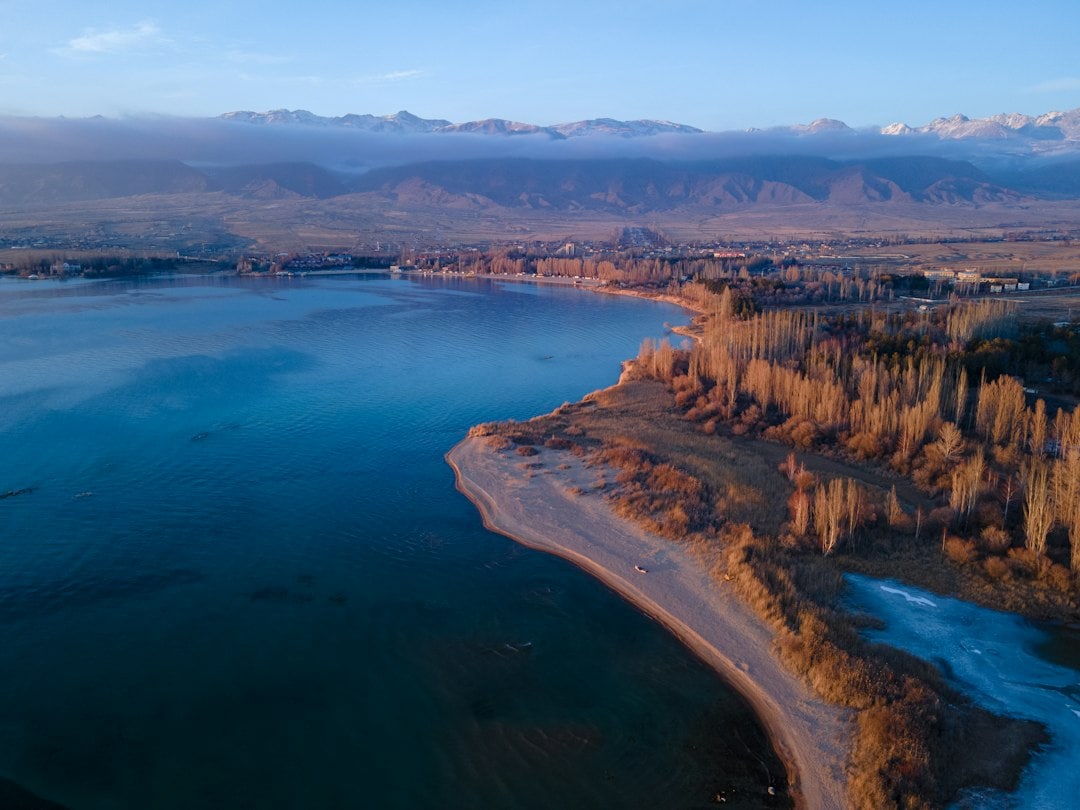
From pit lake to playground
The Western Australian state government allocated $5.7 million to develop Lake Kepwari as a recreation hub, with a swimming beach, picnic facilities, a campground, a boat ramp and a jetty. The area was being used for recreation by 2021, shortly after its opening. Early estimates projected that the site could attract up to 22,000 overnight stays and 37,000 day-trip visitors annually after three years.
The name fits the site's new purpose. Kepwari comes from the Indigenous Wilman language and means "playing in water." The Collie River has long been important to Nyungar people as a source of food, water and recreation, and Lake Kepwari is now part of the Collie River Waugal Aboriginal Heritage Site.
The approach is not suitable for every mine lake. Its success at Kepwari was partly linked to the river's ability to return to its historical course through the former mine area, where the waterway was already degraded. That reduced the risk of additional impacts on downstream water resources. The project nevertheless demonstrates that mine reclamation can involve more than revegetating disturbed land: in some cases, the long-term management of water movement, acidity, and downstream conditions can determine whether a former mine pit can become a functioning recreational landscape.
See Less

SpaceX rocket launches today: 3 missions, astronaut crew and 130 satellites on October 1
By Sohail Khan · 1 Oct


Leave a Reply