The strange anxiety of doing nothing: Why more people are ‘stresslaxing’

It is strange how something as simple as relaxing has become so difficult. We look forward to weekends, holidays, or even those rare 10 quiet minutes at the end of a long day, hoping they will help us feel better. Yet when we finally pause, our minds refuse to follow suit. Instead, we find ourselves thinking about pending emails, unfinished work, laundry waiting to be folded, or that phone call we forgot to make. What should feel restorative often leaves us feeling even more anxious.
If you’ve ever experienced this, you are not alone. There is actually a name for it now – stresslaxing.
Story continues below.
Subscribe to see fewer ads.
What is stresslaxing?
As a clinical psychologist, Puja Dutta, Lead of IAC Training Academy, India Autism Centre, says she finds this term interesting because it captures something many people have experienced for years, even before the word became popular.
“Stresslaxing is not simply about being stressed. It is the experience of feeling stressed while trying to relax. The very act of resting begins to create discomfort, guilt, or anxiety,” she says.
Research describes this as relaxation-induced anxiety, where slowing down makes worries feel louder instead of quieter. In a study by the National Library of Medicine, around 15% of individuals reported relaxation-induced anxiety. “A self-reported history of asthma and anxiety, particularly generalized anxiety disorder, is associated with adverse reactions to relaxation,” the study said.
Stresslaxing is being recognised more frequently because our lifestyles have changed dramatically. We live in a culture that constantly rewards productivity and being ‘busy’. Somewhere along the way, many of us have started believing that rest has to be earned.
Story continues below this ad
Stresslaxing is different from just finding it difficult to switch off
Finding it difficult to switch off usually means your thoughts continue running even after work is over. Your body may be on the couch, but your brain is still inside the office or classroom. You replay conversations, plan tomorrow’s schedule, or worry about things that haven’t even happened yet. It is mental overactivity.
However, stress-relaxing goes one step further.
Puja says, “Here, relaxation itself becomes uncomfortable. You may be watching a movie and suddenly feel guilty for ‘wasting time’. You sit down to meditate but become restless within minutes because you feel you should be doing something more productive. Even taking an afternoon nap can trigger thoughts like, ‘I don’t deserve this break.’ It is not that you don’t know how to relax; it is just that your mind has started associating relaxation with falling behind.”
This is common among working professionals, parents, caregivers, students, and even healthcare workers.
“Many people spend so much time operating in survival mode that their nervous system becomes used to being alert all the time. When life finally becomes quiet, the brain interprets that quietness as unfamiliar rather than safe. It’s almost like a car engine that has been running for hours – it doesn’t stop immediately just because you’ve parked it,” Puja explains.
Story continues below this ad
Reasons why stresslaxing happens and how to come out of it
Stresslaxing happens for many reasons.
Puja explains, “Chronic stress keeps the body in a constant state of readiness. Perfectionism convinces us that there is always something left to complete. Technology also plays a huge role. Work follows us everywhere through phones, notifications, and messages. The boundaries between work and personal life have become blurry, so the brain rarely receives a clear signal that the day is actually over.”
However, she says that the good news is that stresslaxing is not a disorder. It is a sign that the mind and body have forgotten how to transition from doing to simply being. And like any habit, it can be retrained.
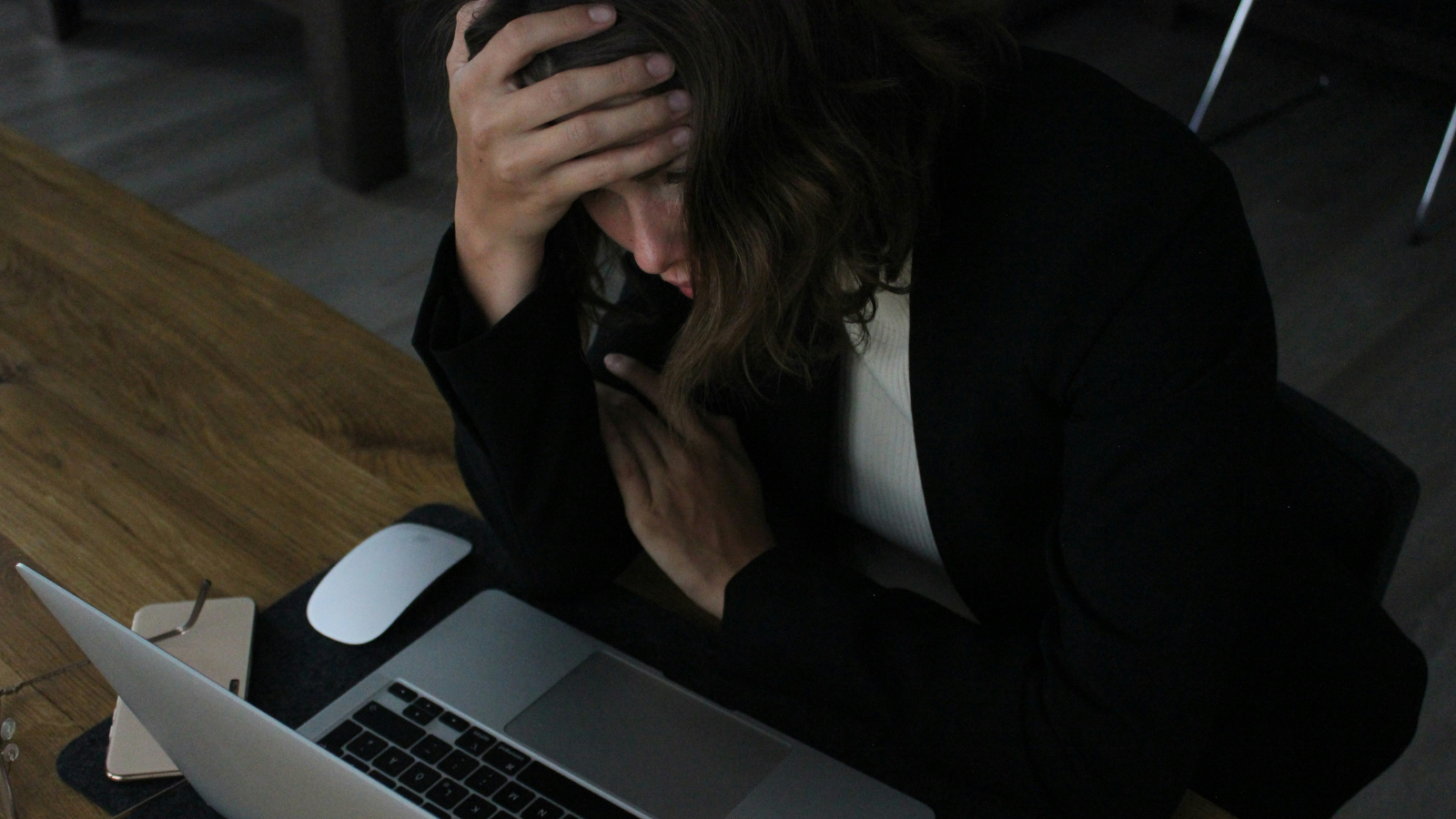 Rest does not have to be earned, and learning to pause without guilt can help the mind and body recover
- The first step is noticing the guilt without judging it.
- Instead of forcing yourself to ‘relax properly’, acknowledge that your mind is still carrying stress.
- Creating a small ritual at the end of the workday—writing tomorrow’s to-do list, switching off work notifications, or taking a short walk—can help the brain feel a sense of closure.
Relaxation also does not have to mean sitting silently. For some people, listening to music, cooking, gardening, dancing, or spending time with family may regulate the nervous system far better than meditation.
Story continues below this ad
Perhaps the biggest shift, Puja says, “is changing how we think about rest. Rest is not laziness, nor is it a reward for finishing everything on the list—because the list never really ends. Rest is a psychological and biological need. It allows our brain to recover, our emotions to settle, and our body to prepare for the next day.”
Maybe that is the real lesson behind stresslaxing. In a world that constantly tells us to do more, learning to pause without guilt has quietly become one of the healthiest skills we can develop.

Why Canada’s new temporary study policy matters for foreign workers
By Sohail Khan · 19 Sep
Kareena Kapoor’s strict screen-time rules for Taimur and Jeh: ‘Need to be hyper about this’
By Sohail Khan · 19 Sep

Leave a Reply