Protein after illness: Who needs more and how to get enough
Story continues below.
Subscribe to see fewer ads.
Is protein important during recovery?
“Yes, getting enough protein can support recovery after an illness,” Dr Juneja confirms. Protein provides the building blocks needed to repair tissues, maintain muscle strength and support the immune system.
“During illness, people may eat less while the body may break down more muscle, especially during prolonged infection or hospitalisation”. Adequate protein can help limit this muscle loss and support the return of strength and physical function.
However, the cardiologist clarifies that protein is not the only factor involved in recovery. “Protein is only one part of recovery; adequate calories, fluids, sleep, treatment and gradual physical activity are also important.”
Can fever and infection increase protein needs?
“Fever, infection and inflammation can increase the breakdown of body proteins, particularly muscle protein,” explains Dr Juneja.
Story continues below this ad
At the same time, appetite may fall, making it difficult to replace these losses through food. “This can create a state where the body loses muscle faster than it rebuilds it. ”
Protein requirements may therefore increase during some illnesses, although the amount varies depending on the “severity and duration of the illness” and the person’s overall health.
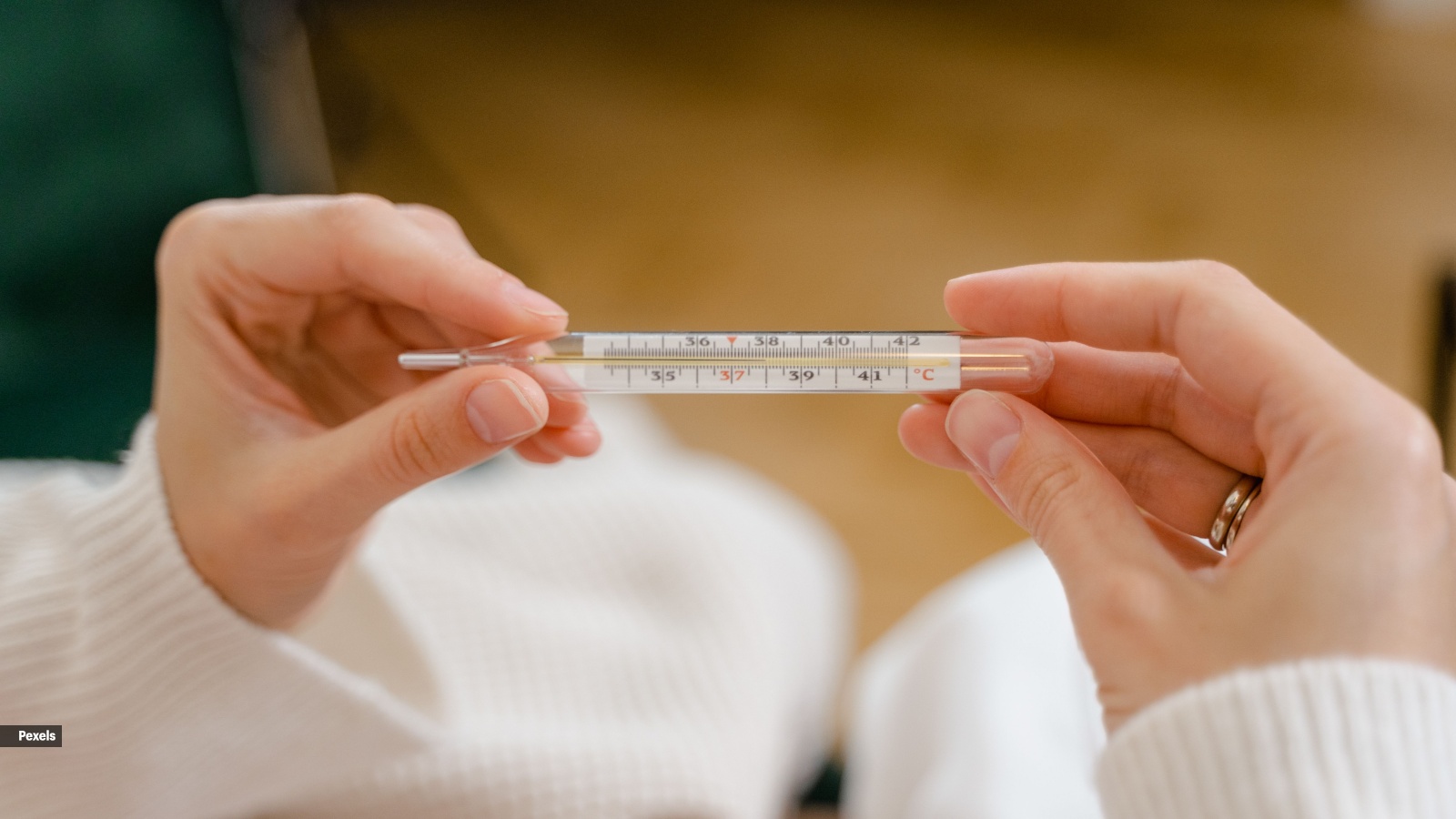 Fever, infection and inflammation can increase the breakdown of body proteins, particularly muscle protein (Pexels image)
Who may need to pay more attention to protein intake?
“Older adults, people who have unintentionally lost weight or muscle, those with poor appetite, and people recovering from prolonged or serious illness are more likely to have inadequate protein intake,” Dr Juneja notes.
Older adults can also lose muscle more easily during periods of inactivity or illness. Similarly, people who have spent a long time in hospital or experienced a severe infection may have significant muscle loss and weakness.
Story continues below this ad
“In such cases, ensuring adequate protein becomes particularly important, but the amount should be individualised according to nutritional status, illness and medical conditions,” Dr Juneja cautions.
How much protein do you need during recovery?
There is no single protein target for everyone recovering from an illness. For many healthy adults, around 0.8 g of protein per kg of body weight per day is commonly used as a basic reference, but during illness ” requirements may be higher.”
“In older adults with illness, around 1.2–1.5 g/kg/day may be suggested, while people with severe illness or malnutrition may require different amounts under medical supervision,” says Dr Juneja.
However, increasing protein is not automatically better for everyone, “particularly in people with kidney disease or certain other medical conditions.”
Story continues below this ad
What can you eat if your appetite is poor?
When appetite is low, “smaller and more frequent meals” may be easier to manage than large portions.
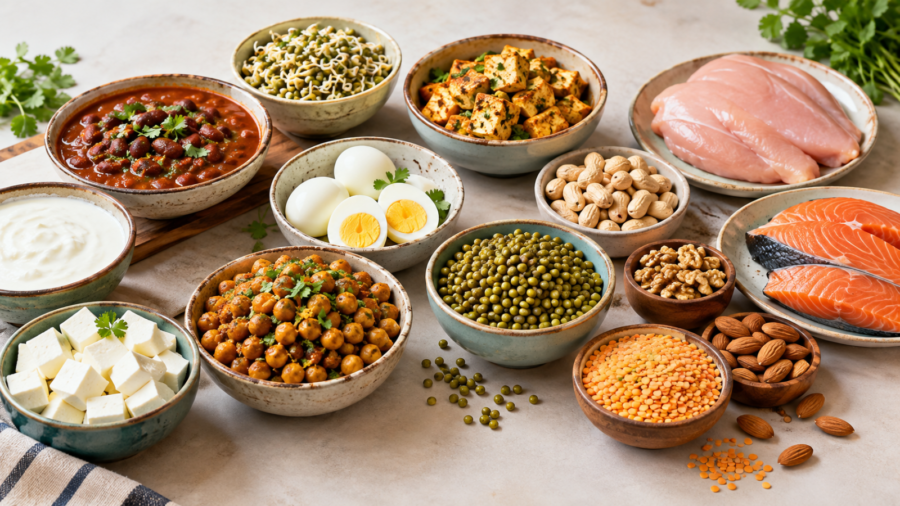
Simple protein-rich options include eggs, milk, curd or yoghurt, paneer, dal, beans, soy, fish, chicken and other lean meats. You can also add milk or yoghurt to smoothies or soft foods to increase protein intake without making meals much larger.
“or someone following a vegetarian diet, combining foods such as dal, beans, soy, dairy and grains can help improve overall protein intake.”
If eating remains difficult, professional advice may be useful. “A doctor or dietitian can advise whether nutritional supplements are appropriate,” Dr Juneja concludes.
Story continues below this ad

Essar eyes $18-billion US steel plant: Why Indian firms are investing in US amid tariffs
By Sohail Khan · 29 Sep
The volume knob we often forget to turn down
By Sohail Khan · 29 Sep
Woman loses 43 kg in 8 months: What experts say about losing 10 kg in a month
By Sohail Khan · 29 Sep
Leave a Reply