PNGRB bats for level playing field across EV, CNG and LNG vehicles
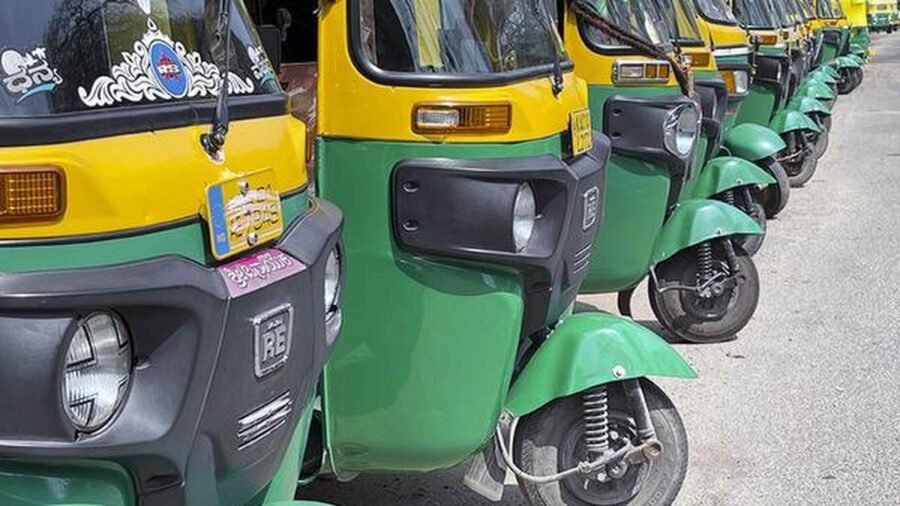
A level-playing field across vehicle types — from electric vehicles (EVs) to compressed natural gas (CNG) and liquefied natural gas (LNG) — is essential to ensure consumer economics work for each segment, said Anjani Kumar Tiwari, Member, Petroleum and Natural Gas Regulatory Board (PNGRB).
Speaking to on the sidelines of the launch of The Energy and Resources Institute’s (TERI) comparative assessment of vehicular fuels, Mr. Tiwari said consumer economics must remain central while framing policies for all fuels.
“Economic consideration is important for consumers. At the same time, it is important to have a level-playing field for all vehicle technologies,” he said.
According to him, such parity could be achieved through a mix of appropriate taxation, subsidies, infrastructure support and policy interventions. Without a balanced framework, he said, consumers would find it difficult to compare the true economics of different vehicle options.
The TERI-PNGRB report aims to address these gaps by identifying areas where infrastructure creation, incentives and tax structures need alignment across fuel categories.
“Where infrastructure is required to be created, where incentives are to be accorded or tax rates must be made similar across the board. These are some of the things that would help carve a level-playing field and is what the report seeks to put forth,” he said, adding that leaving any segment unattended would make the overall paradigm “unbalanced”.
On recent CNG price increases, he attributed the pressure to higher input costs following the renewed conflict in West Asia. India’s immediate priority, he said, was ensuring fuel availability.
“Once that [disruptions because of the West Asia crisis] stabilises, prices will eventually come down and ultimately passed on to consumers,” he added.
Mr. Tiwari also highlighted the role of compressed biogas (CBG) in reducing India’s dependence on imported gas. Under the government’s target of setting up 5,000 CBG plants by 2030, the sector could contribute significantly to domestic gas availability.
“If these 5,000 plants operate at 50% capacity, around 30-40 million metric standard cubic metres per day (MMSCMD) of gas could be produced, depending on the [feedstock] yield,” he said.


Southwest monsoon ends with 12% deficit
By Sohail Khan · 30 Sep
Gurugram to freeze 71 builders’ accounts to recover unpaid homebuyer dues
By Sohail Khan · 30 Sep
Leave a Reply