‘Let’s finish in style, baby’: Samantha Ruth Prabhu on continuing workouts in the third trimester

Samantha Ruth Prabhu, now in her third trimester, has continued to give fans a glimpse of her pregnancy journey—from gym workouts to cravings. In her latest story on Instagram, the actor shares a short clip of her workout, writing, “Last trimester, let’s finish in style, baby”
She added, “The plan is to keep working out right up until the very end. Six days a week, and I’m so grateful that my body has allowed me to keep doing what I love throughout this entirely new experience.”
However, should all pregnant women hit the gym in their third trimester?
We asked a gynaecologist to find out.
Story continues below.
Subscribe to see fewer ads.
Dr Sudeshna Saha, consultant – Gynaecology at RG Stone Urology & Laparoscopy Hospital, Kolkata, says, “Exercising during the third trimester can be safe and beneficial for many pregnant women, provided the pregnancy is progressing normally, and the exercise routine has been approved by the treating obstetrician. Going to the gym is not necessarily unsafe simply because a woman has entered the last trimester.”
However, she mentions that the intensity, duration and type of exercise should be modified as pregnancy advances. The goal should be to maintain mobility, strength and cardiovascular fitness rather than push for weight loss or high performance.
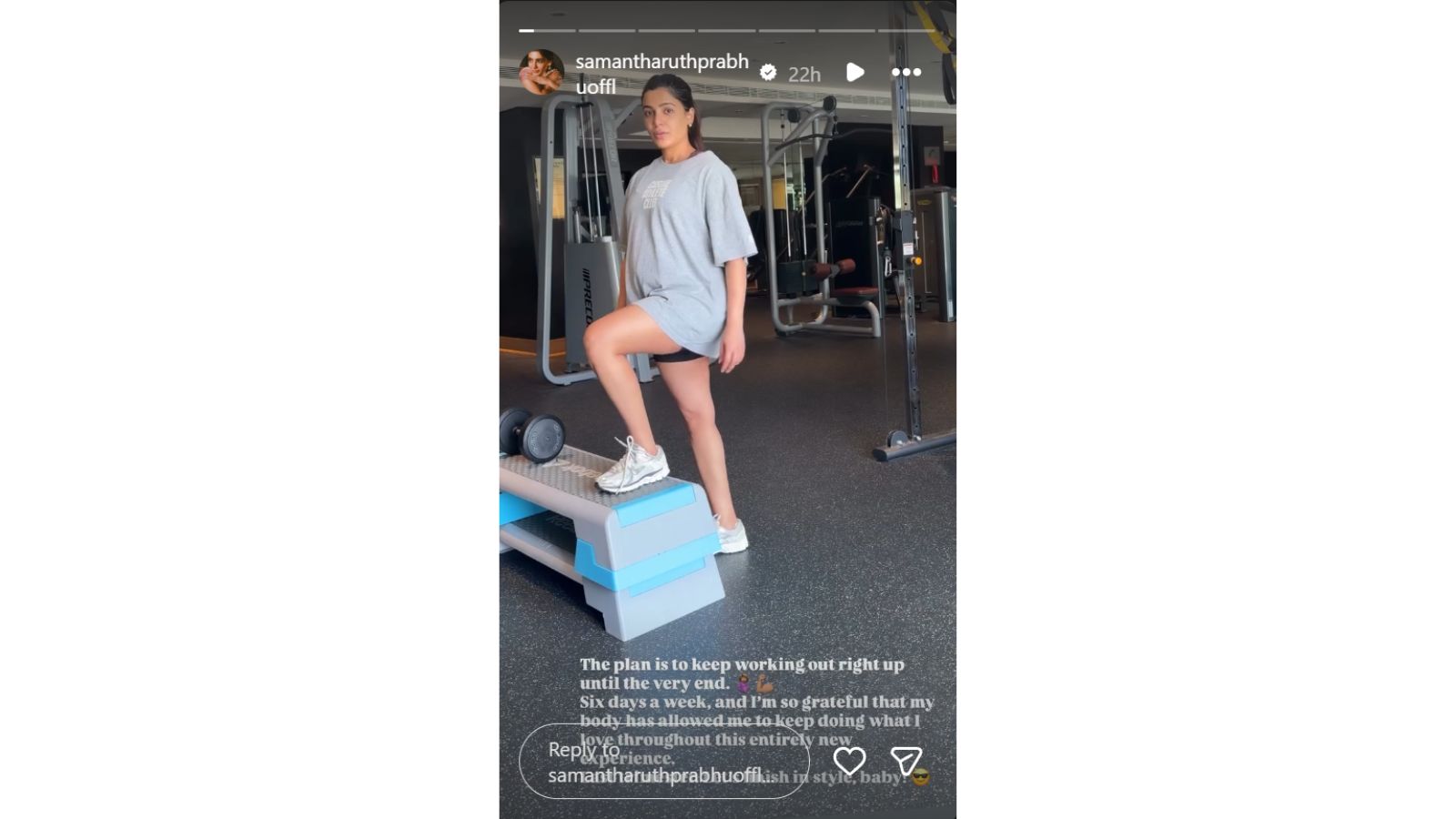 Samantha’s Instagram post
What exercises should still be avoided?
Women who were physically active before pregnancy may often continue with modified workouts, but Dr Saha says, “They should avoid exercises that involve a high risk of falling, abdominal trauma, overheating or excessive strain. Heavy lifting, high-impact jumping, contact sports and exercises performed flat on the back for prolonged periods may need to be avoided or modified.”
Story continues below this ad
Start any new exercise programme only after medical advice, especially during late pregnancy.
Who should totally avoid exercising?
According to Dr Saha, “Women with complications such as placenta previa after 26 weeks, significant bleeding, premature labour or a risk of preterm birth, cervical insufficiency, ruptured membranes, certain heart or lung conditions, or other pregnancy-related complications may be advised to restrict or avoid exercise.”
The obstetrician should always individualise the decision.
The safer options for physical activity
For most women with uncomplicated pregnancies, there are safer options to include in their fitness routine.
“Walking, prenatal yoga, stationary cycling, swimming or water-based exercise, pelvic-floor exercises and gentle strength training using light weights or resistance bands can be done,” says Dr Sudeshna, adding, “Mobility and stretching exercises can also help with posture and common pregnancy discomforts.”
Story continues below this ad
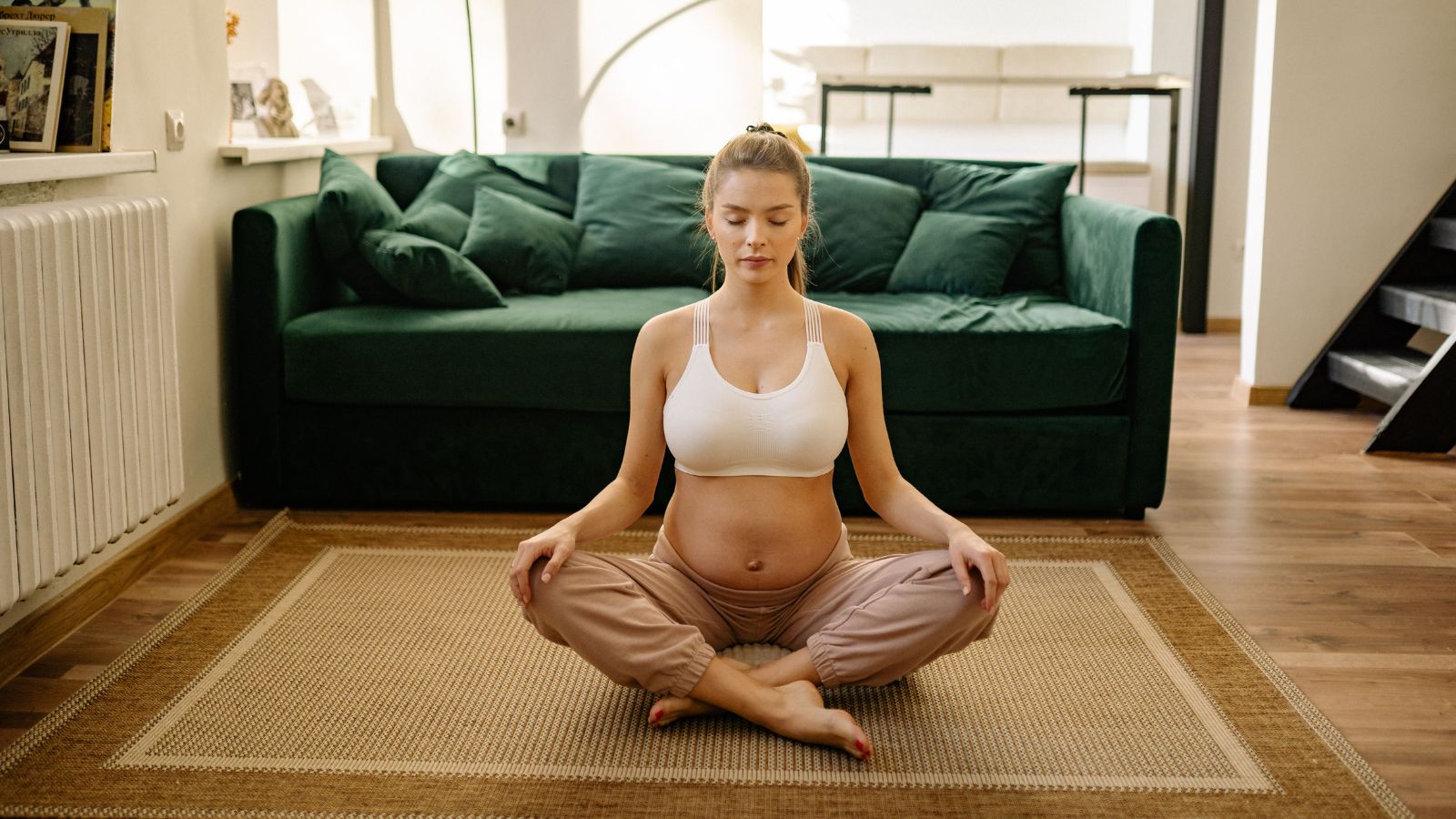 Pregnant woman doing a safe third-trimester exercise
Exercise should be performed at a comfortable intensity at which the woman can still talk without becoming excessively breathless, and as Dr Saha advises: Women should not stop exercising and seek medical advice if they experience vaginal bleeding, leaking of fluid, painful contractions, dizziness, chest pain, severe breathlessness, headache, calf pain or swelling, or reduced fetal movement.
In pregnancy, consistency and comfort are more important than intensity.
According to media reports, Samantha and Raj Nidimoru are expecting their first baby in December.
‘Samantha Ruth Prabhu’ has been trending on Google for the past 24 hours.
Story continues below this ad

In India’s battle against obesity, food labels could be one of the most potent weapons
By Sohail Khan · 29 Sep
Stocks down again — but what are the outliers in India’s share market slide?
By Sohail Khan · 29 Sep
Cash transfers alone cannot tackle the problem of educated unemployment
By Sohail Khan · 29 Sep
Leave a Reply