‘Jee lo apni zindagi’: Farah Khan on sending triplets to college; how to deal with empty nest syndrome

For any parent, sending a child off to college is an emotional milestone—one filled with late-night worries about how they will fare in unfamiliar territory, navigate new friendships and find their way through a life full of uncertainties. For Farah Khan Kunder, that moment arrived threefold as she recently helped her triplets, Czar, Diva and Anya, move to college in three different cities. Taking to social media, the filmmaker penned a heartfelt farewell note as her children embarked on this new chapter:
“If u thought moving ur kid to college was hard.. try doing it 3times! 3 cities, 3 campuses..3 goodbyes! 3 pieces of my heart ❤️❤️❤️ Jao jee lo apni zindagi.. but remember, all roads lead back to Dad & Mom…,” she wrote in the caption of her Instagram post.
Neha Cadabam, Senior Psychologist & Executive Director, Cadabam’s Hospitals, says that the emotional adjustment some parents experience when their children grow up and leave home, also known as empty nest syndrome, is a significant life transition that can bring feelings of loneliness, sadness, anxiety, loss of purpose or a sense that one’s role has suddenly changed.
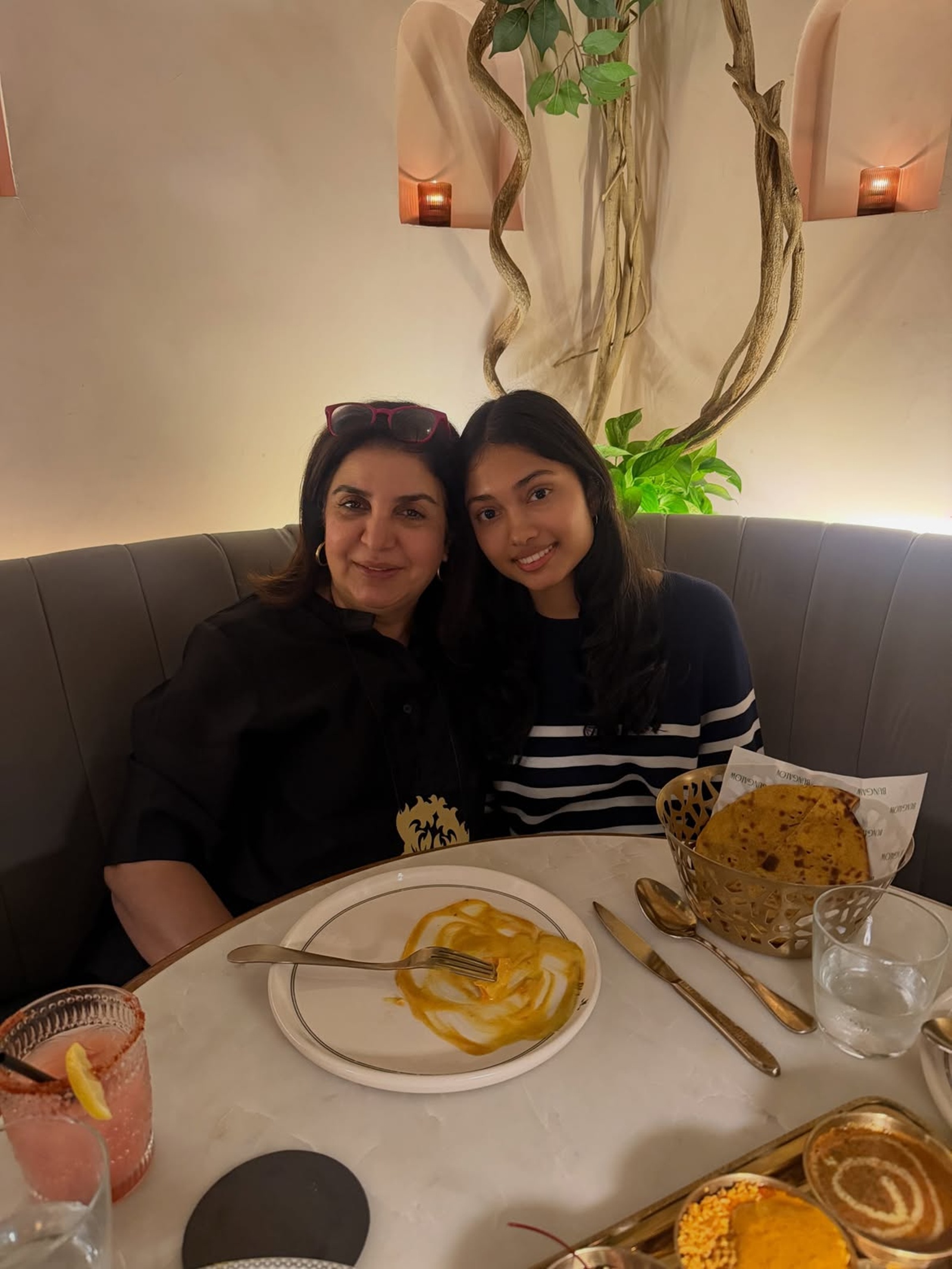 Farah Khan with her daughter. (Source: Instagram/@farahkhankunder)
How can parents deal with this transition?
For parents who have structured much of their identity and daily routine around raising their children, Cadabam says that the change can feel particularly intense. However, it is not necessarily a negative experience.
“Parents can simultaneously feel sadness about the separation and pride in their child’s independence. This phase can also provide an opportunity to rediscover personal interests, strengthen friendships, focus on a career or relationship, and develop an identity beyond parenting,” she tells indianexpress.com.
According to her, the key is to recognise the emotional change without treating the child’s departure as a personal loss or rejection.
Story continues below this ad
Reframing identity
For that, Cadabam advises that parents need to recognise that their relationship has moved from parenting a child to relating to an independent adult. “Staying emotionally available is healthy, but constant calls, messages, checking their whereabouts or demanding regular updates can make the child feel controlled rather than supported,” she shares.
Parents should also avoid making their loneliness the child’s responsibility, she adds.
“Expressing that they are missed is natural, but repeatedly using guilt or emotional pressure to seek attention can damage the relationship,” says the psychologist, adding that it is healthier to establish mutually comfortable ways of staying connected while respecting the child’s privacy and independence.
Parents should also consciously rebuild their own lives by reconnecting with friends, hobbies, travel, work or other meaningful activities. “The healthier the parent’s independent emotional life becomes, the less likely they are to become overly dependent on the child for companionship and validation,” stresses Cadabam.
Story continues below this ad
Let children be
Another mistake, she believes, is giving unsolicited advice or trying to make decisions on behalf of an adult child. “Sometimes children need to be heard rather than advised. Parents should also avoid comparing their child’s choices with their own experiences or with other families,” says the expert.
Finally, Cadabam stresses that parents should not put their own lives on hold waiting for the next call or visit. “A healthy adult parent-child relationship is built on trust, respect, emotional availability and the freedom to maintain separate lives while remaining meaningfully connected,” she concludes.

Happy Lal Bahadur Shastri Jayanti 2026: Quotes, Images, Wishes, Photos & Messages
By Sohail Khan · 2 Oct
40 years ago October 2, 1986: Gandhi statue controversy
By Sohail Khan · 2 Oct
To cash in on next tech boom, India needs the right chips
By Sohail Khan · 2 Oct