iPhone Air, MacBook Neo: Genius of Apple CEO John Ternus reflected in these devices
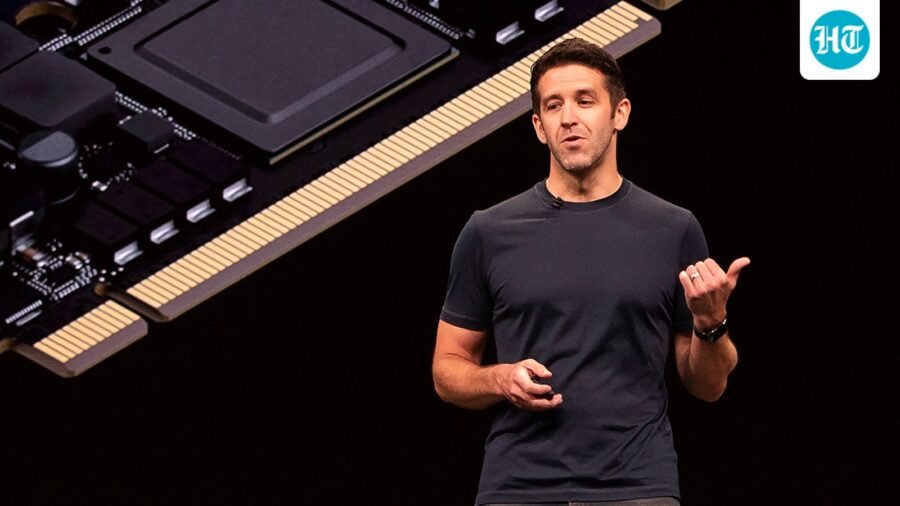
A broader redesign after many years, the iPhone 17 Pro was defined by Ternus guiding a shift to an engineered aluminium alloy.
Updated on: Sep 1, 2026, 19:15:55 IST
Prefer HTon Google
Share via
Copy link
Since 2021, when John Ternus took the role of senior vice president of hardware engineering, there really hasn’t been an Apple product that hasn’t had his influence. The troika of functionality, tighter silicon integration and bolder aesthetics, have stood out more in some devices.
iPhone Air
The most exciting iPhone form factor in recent times, at least till the foldable iPhone comes along. A razor-thin titanium design is as much a benchmark of robustness as of Apple Silicon being able to deliver so much performance with limited thermals.
iPhone 17 Pro
A broader redesign after many years, the iPhone 17 Pro was defined by Ternus guiding a shift to an engineered aluminium alloy that offers 20x better thermal conductivity than titanium. And not to forget, a larger camera island.
MacBook Neo
Unveiled by Ternus himself earlier this year, Apple’s most affordable MacBook is a rather desirable mix of a uniform aluminium design, eye-catching colours and a powerful A18 Pro chip that previously convinced everyone in the iPhone 16 Pro.
Transitioning to Apple Silicon
Ternus spearheaded the historic hardware execution of transitioning the Mac lineup from Intel chips to Apple Silicon. That came about after traditional chip thermal design flaws were defeated. That ushered true whisper-quiet laptops that blend really fast performance with equally long battery life. Windows laptops haven’t found this balance, yet.
Apple Vision Pro
Ternus’ team was responsible for executing this complex hardware mix integrating dual micro-OLED 4K displays, custom R1/M-series chips, and spatial audio arrays into a single wearable immersive headset. This will lead us to lightweight AI smart glasses—it’s a matter of when and not if.
See Less

‘Cat in the Hat’ AI trend alarms US schools
By Sohail Khan · 1 Sep
Blinkit hub hit by FDA action over hygiene violations
By Sohail Khan · 1 Sep
10-year Treasury yield hits 2025 high as Iran tensions fuel oil, inflation fears
By Sohail Khan · 1 Sep
Leave a Reply