I love my skincare routine. Do I have a body image problem?

I love my skincare routine. Do I have a body image problem?Published on: Sep 18, 2026, 12:32:55 IST
Prefer HTon Google
Share via
Copy link
Adelaide, A 12-year-old watches a "get ready with me" video. Then she adds a retinol serum, exfoliating acid and several "anti-ageing" products to an online shopping cart.
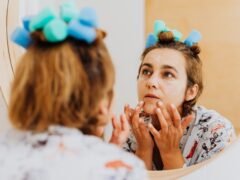
An adult repeatedly checks their pores in a magnifying mirror. They then buy each new product promising "glass skin" and become anxious if they cannot complete their nightly routine.
Skincare can be enjoyable, creative and soothing.
But when does self-care become something more concerning?
The quest for flawless skin
Cosmeticorexia is a recently proposed term for an excessive or compulsive preoccupation with achieving flawless skin. It's sometimes called dermorexia.
It can involve elaborate routines, repeatedly buying products, using ingredients or cosmetic procedures that are unnecessary or inappropriate for someone's age. People become distressed when they cannot complete their routine.
However, cosmeticorexia is not a recognised medical or psychiatric diagnosis. The main academic article defining the term is an editorial, rather than a large population study.
We should therefore be careful not to medicalise enthusiasm for skincare or apply a clinical-sounding label to every lengthy beauty routine.
How common is it?
Because cosmeticorexia is not an established concept, we do not know whether it is a distinct phenomenon, how to measure it, or how common it is.
One small study described in the original cosmeticorexia editorial identified "cosmeticorexic traits" in 18 of 217 dermatology patients who had undergone multiple filler procedures. But this highly selected sample cannot tell us how common cosmeticorexia is among adults, teenagers or the broader population.
Although people of any age or gender may develop problematic concerns about their appearance, much of the current discussion centres on tweens and teenage girls. They are being exposed to complex skincare routines, anti-ageing messages and influencer marketing online at an important time in their lives when their identity and body image are developing.
Research shows comparing your appearance with others online is associated with body image concerns and eating disorder symptoms.
Social media activity has also been linked with young adults' greater acceptance and normalisation of cosmetic procedures.
However, this does not mean social media alone causes cosmeticorexia. Perfectionism, anxiety, existing skin conditions, bullying, family attitudes, commercial marketing and broader beauty ideals may all contribute.
What harm can it do?
Layering retinoids, exfoliating acids and other active ingredients can disrupt the skin barrier and cause inflammation, photosensitivity, or contact dermatitis. Retinoids, in particular, commonly cause irritation, especially when used too frequently or in large amounts.
A 2025 study of 100 TikTok videos found skincare routines presented by girls aged seven to 18 contained an average six products. These routines cost an average USD 168. Products often included potentially irritating ingredients. Only 26 pe cent of daytime routines included sunscreen.
Pursuing "perfect" skin may also encourage people to compare their appearance with others, become dissatisfied with their skin and compulsively monitor its appearance.
This may also overlap with recognised conditions such as body dysmorphic disorder, which involves intense preoccupation with perceived appearance flaws and repetitive behaviours.
Where's the tipping point?
The number of products on a bathroom shelf does not diagnose a mental health problem. But possible warning signs include:
1) spending increasing amounts of time or money on skincare
2) feeling compelled to follow a rigid, multi-step routine
3) becoming anxious, ashamed or irritable when products are unavailable
4) frequently checking, photographing or concealing perceived skin imperfections
5) avoiding school, work, relationships or social activities because of skin concerns
6) continuing to use products despite irritation or other harm.
What can you do?
If you are concerned about your own skincare habits, try unfollowing accounts that trigger anxiety or comparison. You can also remove magnifying mirrors, set a realistic spending limit and gradually reduce how often you check your skin.
A pharmacist, GP or dermatologist can help simplify a routine and assess irritation or clinical skin conditions.
For parents, banning every product or criticising a young person's appearance may increase secrecy and conflict.
Instead, ask what they hope the products will change, where they encountered the advice and how they feel if they miss their routine. Discuss how filters and edited images can create unrealistic expectations of what skin looks like, how advertising influences skincare choices, and the fact that pores, texture and spots are normal.
If skin worries are consuming substantial time, interfering with school, work or daily life, or seriously affecting mood, speak to a GP or mental health professional. Cognitive behavioural therapy is an evidence-based treatment for body dysmorphic or obsessive-compulsive symptoms.
One example is JEM, an effective, freely accessible chatbot for body image distress and mood, which I created and led the development of. It has been evaluated across multiple continents in a real-world study published earlier this year.
Skincare itself is not the enemy. The warning sign is when caring for your skin turns into believing your skin must be perfected before you can feel acceptable. GRS
GRS
This article was generated from an automated news agency feed without modifications to text.
Catch every big hit, every wicket with Crick-it, a one stop destination for Live Scores, Match Stats, Quizzes, Polls & much more. Explore now!.
Catch your daily dose of Fashion, Taylor Swift, Health, Festivals, Travel, Relationship, Recipe and all the other Latest Lifestyle News on Website and APPs.
See Less



Leave a Reply