Are you eating your way to heart disease? Cardiologist Dr Vijay D’Silva warns of everyday nutrition mistakes in the diet
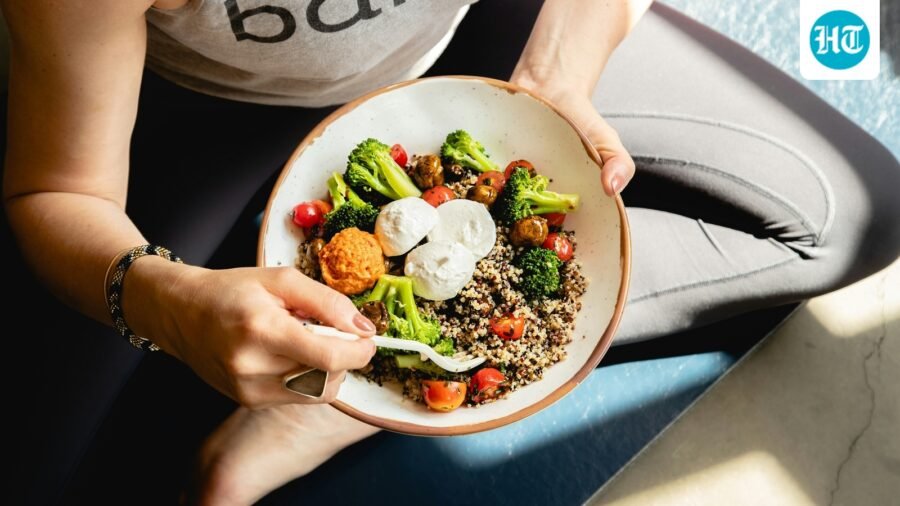
Discover the four common nutrition mistakes that could lead to heart disease and learn how to adopt healthier eating habits for better cardiovascular health.
Published on: Sep 18, 2026, 11:00:56 IST
Prefer HTon Google
Share via
Copy link
When you think about unhealthy diets, calories are often the first thing that comes to mind. But a person's heart and overall health do not depend on the number of calories. How a person eats, how often they eat, and how processed it is all affect health issues such as blood pressure, blood glucose levels, cholesterol levels, body weight, and inflammation.
Mistake 1: Focusing only on calories
Mistake 2: The cost of hidden salt and sugar
- Much of the salt we consume day to day doesn't come from the salt added to food; it comes from packaged foods we eat without thinking twice.
- Consuming high sodium long-term increases blood pressure. This can increase the load on the heart, increasing the risk of coronary heart disease. It's also true for sugar. Sweets, sugary drinks, and sodas put more load on the body, and over time, that can lead to weight gain and obesity.
- The World Health Organization states that daily salt intake should be below 5g, and free sugar intake should not exceed 10% of daily calories.
Mistake 3: Treating ultra-processed food as an occasional harmless substitute
- Increasingly, convenience is becoming a characteristic feature of modern-day diets. Yet regularly consuming packaged foods, including ultra-processed foods, may have drawbacks.
- In a comprehensive umbrella review, which included 9.9 million individuals in pooled studies, published in The BMJ, greater consumption of ultra-processed foods was shown to be linked to increased risk for multiple adverse outcomes, among which were cardiovascular-related death and type 2 diabetes.
- Further, the link between ultra-processed food intake and inflammation remains an active area of research. For instance, a 2025 study found that high ultra-processed food intake was associated with higher levels of systemic immune-inflammatory markers, based on an analysis of NHANES data.
Mistake 4: Neglecting fiber and food diversity
- Eating a healthy diet is not just about removing foods considered “unhealthy,” but also about including the right kinds of food in your daily diet.
- The right foods provide enough dietary fiber and nutrients to support our metabolisms.
Nutrition is the focus, not restrictions
Rather, the main point is not to fear all calories or exclude any specific product from the diet. Instead, focus on building healthy habits: eating more natural foods than processed ones, eating a variety of meals, using less added salt and sugar, replacing saturated fats with unsaturated fats, and including fruits, vegetables, legumes, and whole grains in your diet.
What is the prevention of cardiovascular disease?
Prevention of cardiovascular diseases begins long before the onset of any symptoms. What people eat now will define their heart condition and metabolism in the future. Therefore, nutrition should not be viewed only as a tool for maintaining a certain body weight, but also as an important component of preventive medicine.
(Disclaimer: This article is for informational purposes only and is not a substitute for professional medical advice. Always seek the advice of your doctor with any questions about a medical condition.)
Catch every big hit, every wicket with Crick-it, a one stop destination for Live Scores, Match Stats, Quizzes, Polls & much more. Explore now!.
Catch your daily dose of Fashion, Taylor Swift, Health, Festivals, Travel, Relationship, Recipe and all the other Latest Lifestyle News on Website and APPs.
See Less


Back or neck pain getting worse? Spine surgeon shares 6 everyday habits to avoid
By Sohail Khan · 18 Sep

Leave a Reply