How Panna brought its vultures back from a 99% population crash
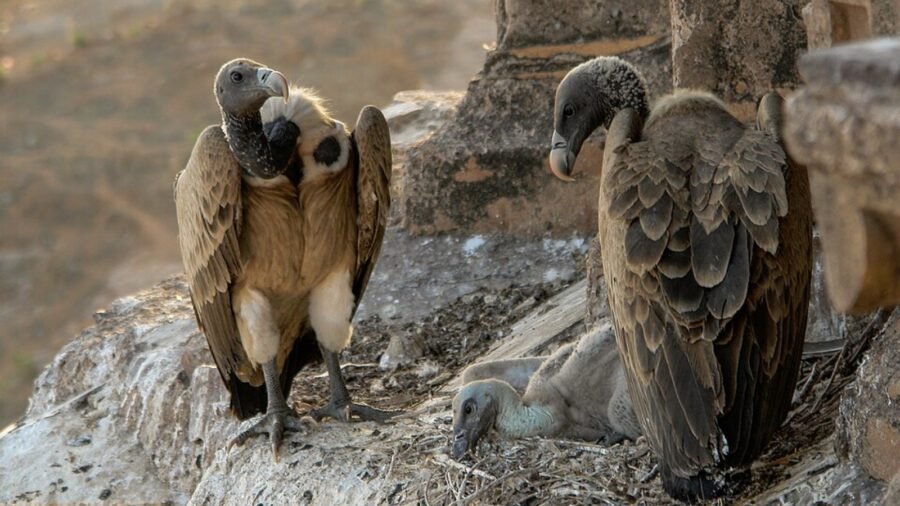
Panna’s sandstone landscape gives the Ken River a picturesque setting. Its deep gorges and sheer cliffs have created ledges where vultures can nest and roost, while the forests below support the prey species that sustain a functioning food chain.
In this landscape, a tiger’s kill does not necessarily end with the predator. What remains becomes food for scavengers, allowing another part of the ecosystem to take over.
This interconnected landscape has made Panna an important stronghold for vultures. According to the Madhya Pradesh Tourism Board, seven of India’s nine recorded vulture species have been documented in the Panna landscape.
Story continues below.
Subscribe to see fewer ads.
Between the 1990s and mid-2000s, vulture populations in India fell by more than 99 per cent. The primary cause was veterinary diclofenac, an anti-inflammatory drug used to treat livestock. Vultures feeding on carcasses of animals treated with the drug could suffer kidney failure and visceral gout.
A bird that almost disappeared
The scale of the vulture crisis is difficult to comprehend today, when the birds are once again becoming a familiar sight over parts of Panna.
The state recorded 12,981 vultures in its 2025 census, up from 10,845 in 2024, 8,397 in 2019, and around 7,028 in 2016.
Wildlife conservationist Sushil Chikane, who has worked on vulture restoration in Madhya Pradesh, describes the recovery as a major conservation and public-health milestone.
Story continues below this ad
“The resurgence in vulture populations represents a critical milestone in wildlife conservation and public health, reversing what was historically the fastest documented collapse of any avian species in modern history,” Chikane says.
The disappearance of vultures was not simply the loss of another bird from the ecosystem. These specialised scavengers perform a crucial clean-up function, consuming animal carcasses rapidly, and helping prevent them from remaining in the environment for prolonged periods.
Chikane points out that vultures are particularly equipped for this role. “Vultures are specialised scavengers capable of consuming livestock carcasses in under an hour. Their highly acidic digestive systems neutralise deadly pathogens — including anthrax, botulism and cholera — that would otherwise contaminate water tables and soil,” he says. Their recovery, therefore, represents the restoration of an ecological service as much as the return of a species.
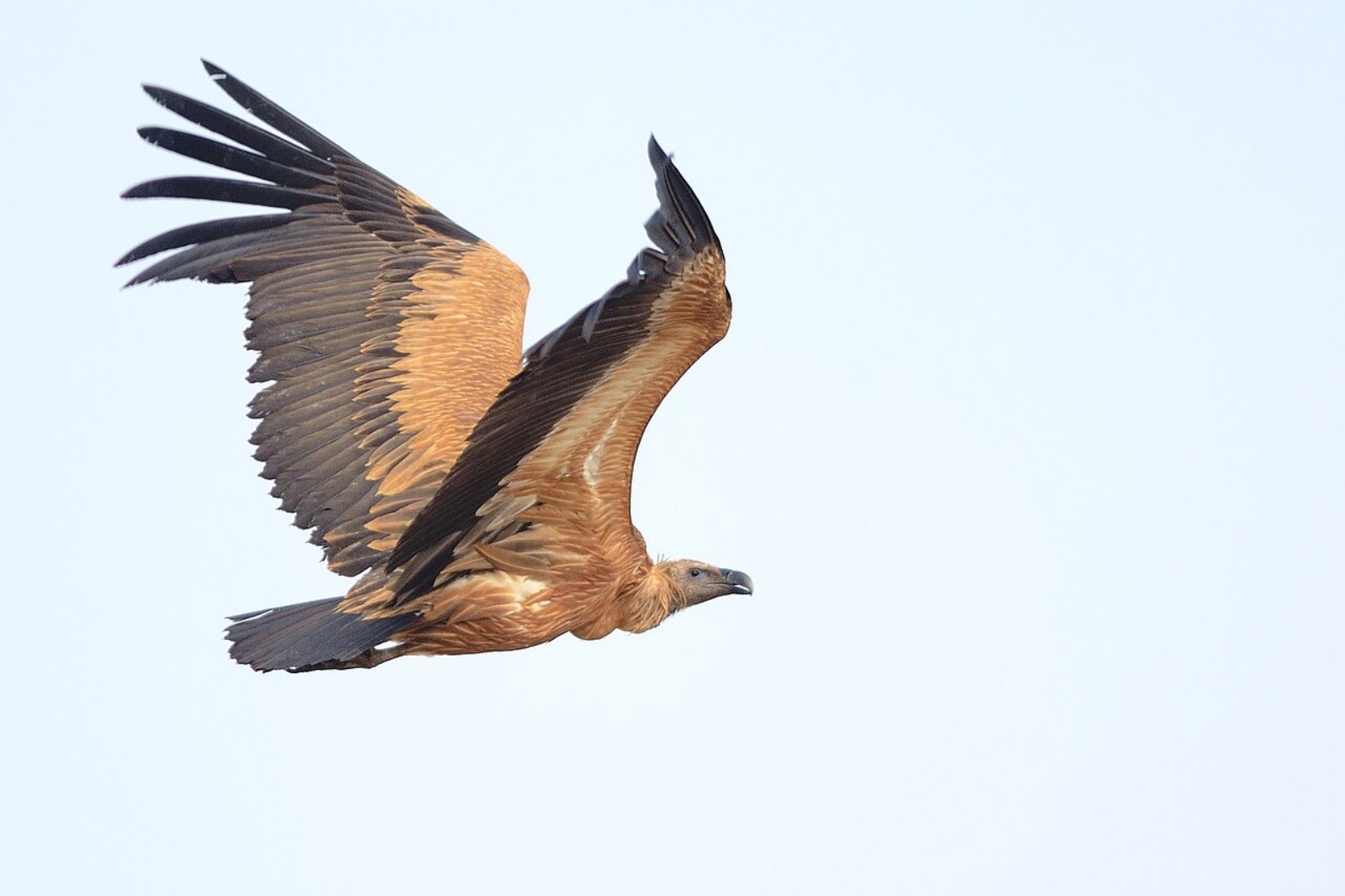 An Indian vulture
Why Panna matters
Panna’s geography is central to this story. The Madhya Pradesh tourism board says the deep sandstone gorges and vertical cliffs carved by the Ken River provide suitable nesting and roosting habitat, particularly for cliff-nesting vultures. The area popularly known as Vulture Point is one such landscape.
Story continues below this ad
But it is not only the cliffs that matter. Panna’s tiger reserve supports wild ungulates such as chital, sambar and nilgai. When predators make kills, the remains enter the wider food web, providing a natural source of carrion for scavengers.
“Predators such as tigers and scavengers such as vultures form different but interconnected parts of the food web,” the tourism board explains. “When predators leave remains of a kill, these carcasses become an important food source for scavengers.”
That relationship becomes particularly significant after the historic vulture crash, when the birds became dangerously dependent on livestock carcasses that could contain residues of harmful veterinary drugs.
Vulture recovery
The recovery has been built through years of interventions — restrictions on veterinary diclofenac, protection of nesting and roosting habitats, population monitoring, conservation breeding and greater awareness among communities.
Story continues below this ad
Madhya Pradesh established a dedicated vulture conservation and breeding centre at Kerwa near Bhopal in 2014. Regular censuses have since helped authorities understand where populations are concentrated and how they change with the seasons. The state has also used GPS-GSM transmitters to track movements and understand the larger landscapes these birds use.
Chikane says the recovery also demonstrates the importance of regulating veterinary drugs. “The recovery directly proves the real-world impact of banning toxic Non-Steroidal Anti-Inflammatory Drugs (NSAIDs) such as veterinary diclofenac,” he says, referring to the drug’s ban in 2006 and subsequent action against other harmful veterinary drugs.
The conservation challenge, however, has not disappeared with the recovery. Poisoning remains a threat, particularly when contaminated carcasses enter the food chain.
Chikane notes that authorities and communities must therefore remain vigilant about what becomes available for vultures to feed on.
Story continues below this ad
A landscape shared with migratory visitors
Panna’s landscape supports resident species and migratory visitors. The tourism board identifies the Himalayan Griffon, Eurasian Griffon, and Cinereous Vulture as migratory species that arrive in winter, alongside resident species that remain in the state year-round.
That seasonal movement can change what visitors see. “Winter generally offers greater opportunities to observe multiple species together,” the tourism board says, with Panna becoming particularly notable during the cooler months when several vulture species can be seen across its cliffs and gorges.
For resident birds, the cooler, drier months also coincide with breeding activity. Long-billed vultures use the sandstone cliffs of the Ken River gorge to build nests on protected ledges.
By summer, Panna’s conditions become much harsher. Temperatures can climb beyond 45°C, and vultures adapt by using thermal currents to travel long distances in search of food. The Ken River basin also becomes important for shade and hydration during the hottest part of the day.
Story continues below this ad
The landscape thus changes with the birds, from nesting cliffs in the breeding season to a wider foraging terrain through the heat.
The people watching over the cliffs
The comeback is not confined to the forest department or conservation organisations. Around Panna, local communities are increasingly part of the effort to protect the birds. Residents and naturalists can help monitor nesting sites, report injured vultures, and spread awareness about veterinary drugs that can threaten scavengers.
For Usha Patel, a local conservation community representative in Panna, the change is deeply personal.
“I grew up watching vultures circle over these cliffs near our village, and then, one day, I realised I hadn’t seen them in years,” Patel says.
Story continues below this ad
Now, she takes visitors towards the nesting sites and sees the birds returning to the landscape she grew up around. “Today, when I take visitors up to the nesting sites, and we watch them soar again, it fills me with pride — it tells us our forests are healthy,” she adds.
Her understanding of conservation is also rooted in the community. “Conservation isn’t just the Forest Department’s job anymore; we, the local communities, are custodians of this land too,” she says.
The tourism board says the state is looking at specialised birdwatching routes, cliff-viewing points, guided experiences and interpretation that can introduce visitors to the ecological story behind the birds.
The idea is not to turn vultures into another animal to tick off a safari checklist. Instead, it offers a slower way to experience Panna — following the cliffs and river valleys, understanding the food chain, and seeing how conservation works across a landscape.
Story continues below this ad
“Panna’s proximity to Khajuraho adds another dimension. A trip that begins with the carved stone of the Unesco World Heritage Site can continue into a landscape where nature is undergoing its own form of restoration,” adds the tourism board.
Explore more captivating stories about pets and animals here, and make us your daily stop for the latest from the animal kingdom.

How government has paved way for fee on UPI merchant payments above Rs 2,000
By Sohail Khan · 15 Sep
Why Saudi Arabia engages with BRICS without formally joining it
By Sohail Khan · 15 Sep
The government’s 7.8 per cent growth number may be accurate. Why doesn’t it feel right?
By Sohail Khan · 15 Sep
Leave a Reply