Centre asks states to act on unproven stem cell therapies, warns doctors, clinics
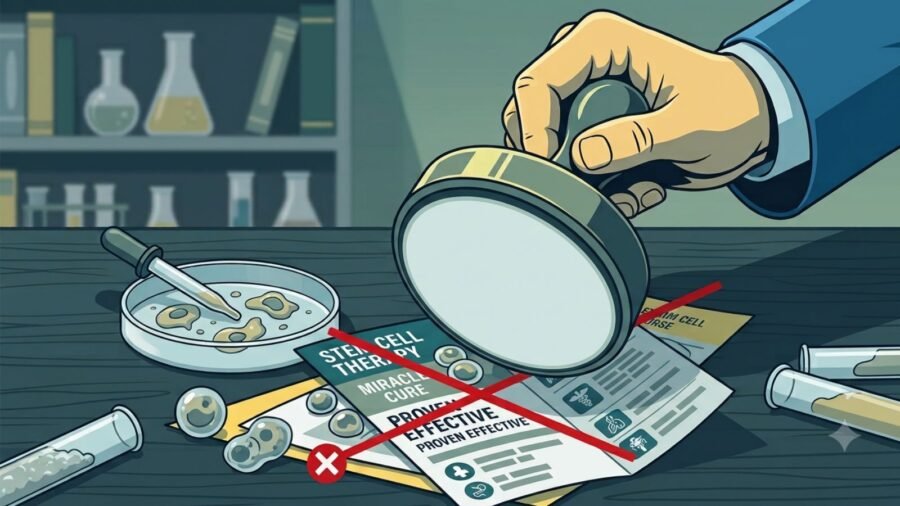
The Union health ministry has asked states to act against doctors and clinical establishments offering stem cell therapies for conditions for which they have not yet been proven effective.
The advisory, citing a Supreme Court judgment from earlier this year, said action may be taken against medical practitioners under the Indian Medical Council regulation on professional ethics, and against centres under the Clinical Establishments (Registration and Regulation) Act. These can result in disciplinary action against practitioners and penalties and licence cancellation for the clinical establishments.
However, action against centres under the Act will be limited to the 19 states and Union Territories—including Bihar, Uttar Pradesh, Rajasthan, Sikkim, and Telangana, among others—that have adopted the Act. It is yet to be implemented in the national capital. The Indian Medical Council regulation, however, applies across the country.
Story continues below.
Subscribe to see fewer ads.
“The ministry has accordingly requested the concerned state and district regulatory authorities and clinical establishments to ensure strict compliance with the applicable framework governing stem cell research and therapy,” the health ministry said in a statement.
Stem cell therapy allowed for 18 conditions
Stem cell therapy can be offered only for diseases or conditions listed by the Union health ministry, including cancers such as acute myeloid leukaemia, B cell lymphoma, multiple myeloma or autoimmune conditions such as multiple sclerosis and aplastic anaemia. Stem cell therapy is allowed for 18 such conditions in adults and 14 in children, according to the ministry list.
Autism Spectrum Disorder—the condition on which the Supreme Court case is based—is not among the conditions for which stem cell therapy can be offered. Any stem cell therapy for the condition may be used only in a clinical trial setting after following the proper approval process, according to the health ministry advisory.
The advisory was meant to sensitise authorities on the Supreme Court case and the need for action against centres offering unproven therapies. Earlier this month, the National Medical Commission, the apex regulator for the practice and study of modern medicine in India, also reiterated the Supreme Court decision, warning medical professionals that unauthorised administration, prescription, promotion or advertisement of stem cell therapy beyond the approved indications would constitute professional misconduct.
Rahul Gandhi, Mallikarjun Kharge wish PM Modi on 76th birthday
By Sohail Khan · 17 Sep

Centre stands firm on India’s energy security needs after US passes Russia Sanctions Bill
By Sohail Khan · 17 Sep
Leave a Reply