Can lifting heavy weights weaken your pelvic floor? Urogynaecologist explains the real risk of prolapse
Can lifting heavy weights weaken your pelvic floor? Urogynaecologist explains the real risk of prolapsePublished on: Sep 3, 2026, 13:27:32 IST
Prefer HTon Google
Share via
Copy link
If you are lifting heavy weights, here’s everything you need to know about pelvic organ prolapse.
Strength training is one of the most important exercises everyone should consider for better physical health. But lifting heavy weights often comes with misconceptions and risks, especially for women.
From muscle buildup to pelvic prolapse, there are several health issues that can arise with strength training. In an interview, Dr Daisy Yogeshkumar Shethna, consultant obstetrics and urogynaecology at Fortis, Mohali, reveals what every woman should know about pelvic floor health and prolapse.
Also read | Yoga expert shares relaxing 10-minute bedtime yoga routine for better sleep and stress relief
When does a pelvic prolapse happen?
According to Dr Daisy, the pelvic floor is a group of muscles and supporting tissues at the bottom of the pelvis. They help support the bladder, uterus, and bowel. Prolapse happens when this support weakens, and one or more of these organs start to bulge downwards.
This can create a feeling of heaviness or fullness in the pelvis and cause difficulties in bowel movement. It usually develops because of a combination of factors, such as pregnancy and childbirth, ageing, menopause, being overweight, long-term constipation or coughing, and a natural weakness in the supporting tissues.
Can heavy weightlifting cause pelvic floor prolapse?
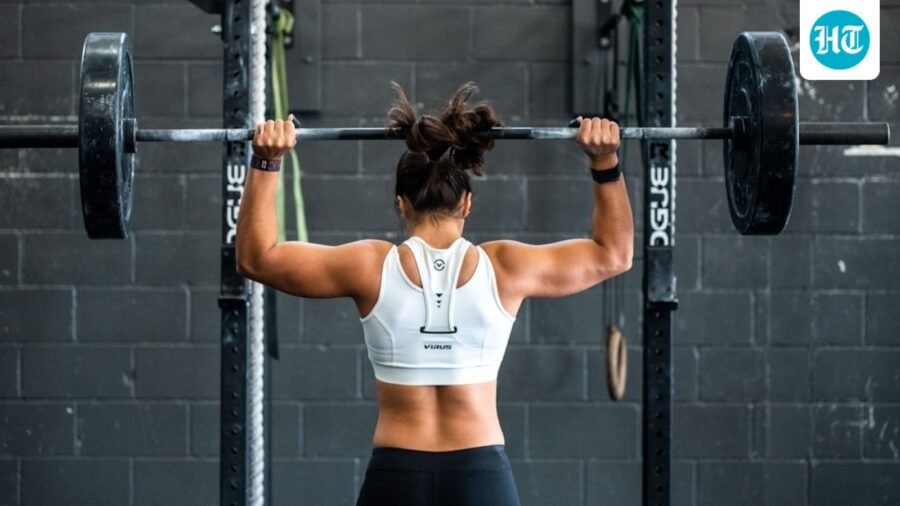
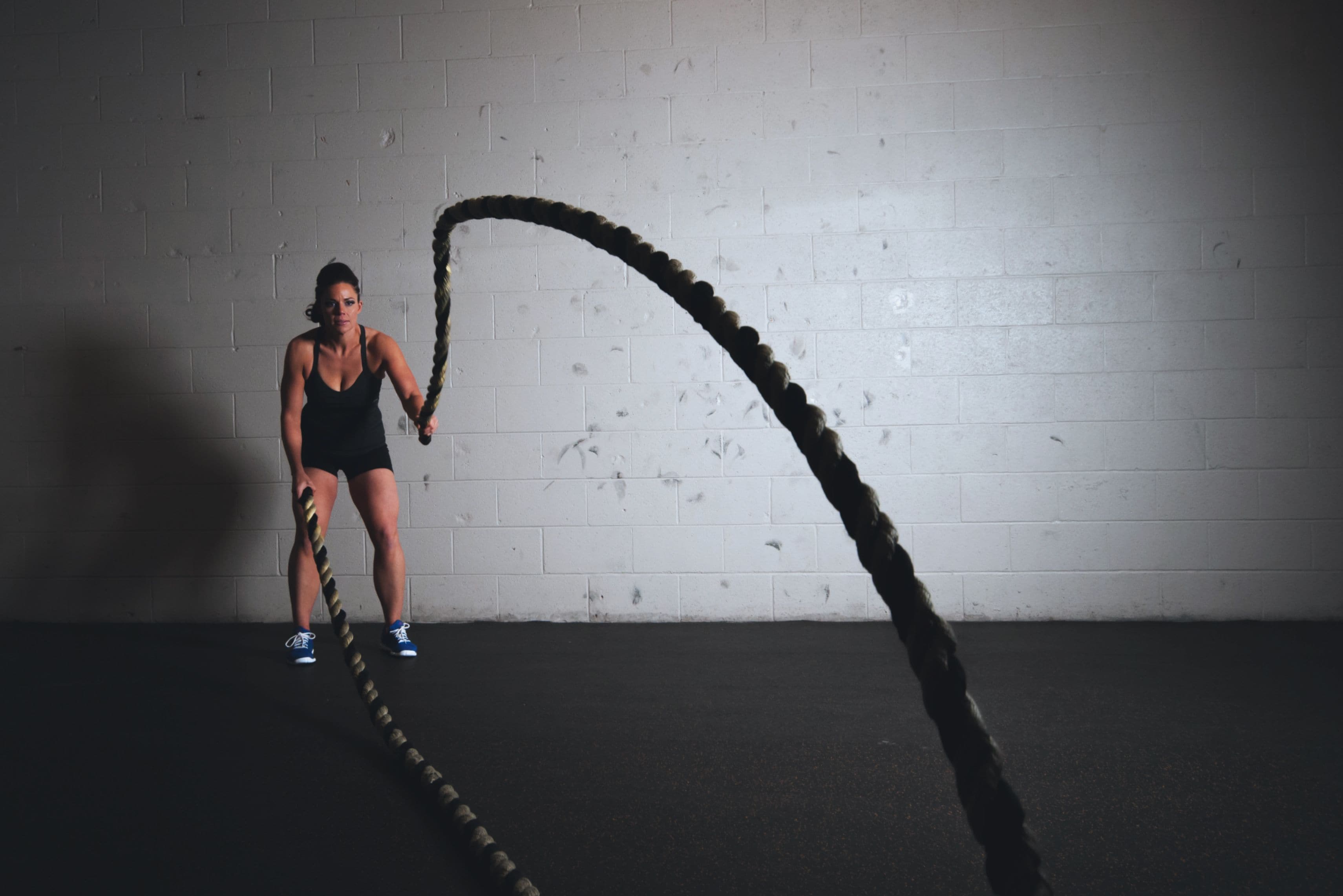
“Lifting a heavy weight does increase the pressure inside your abdomen, which means your pelvic floor also has to work harder. Repeated heavy lifting may add to this stress, particularly in someone who already has weaker pelvic support. But that does not mean that lifting weights will automatically cause pelvic organ prolapse,” said Dr Daisy.
Importantly, there is no good evidence that a healthy woman will develop prolapse simply because she exercises or lifts weights. Studies in women who regularly perform strength training have not shown that heavier weights automatically mean a greater risk of prolapse.
What happens when you lift something very heavy?
Dr Daisy highlighted that you may naturally tighten your tummy muscles and hold your breath or strain for a few seconds. This increases pressure inside your abdomen and puts some extra pressure on the pelvic floor. But this is not necessarily harmful.
Our pelvic floor is designed to respond to these pressure changes during everyday activities like coughing, sneezing and laughing as well as while exercising.
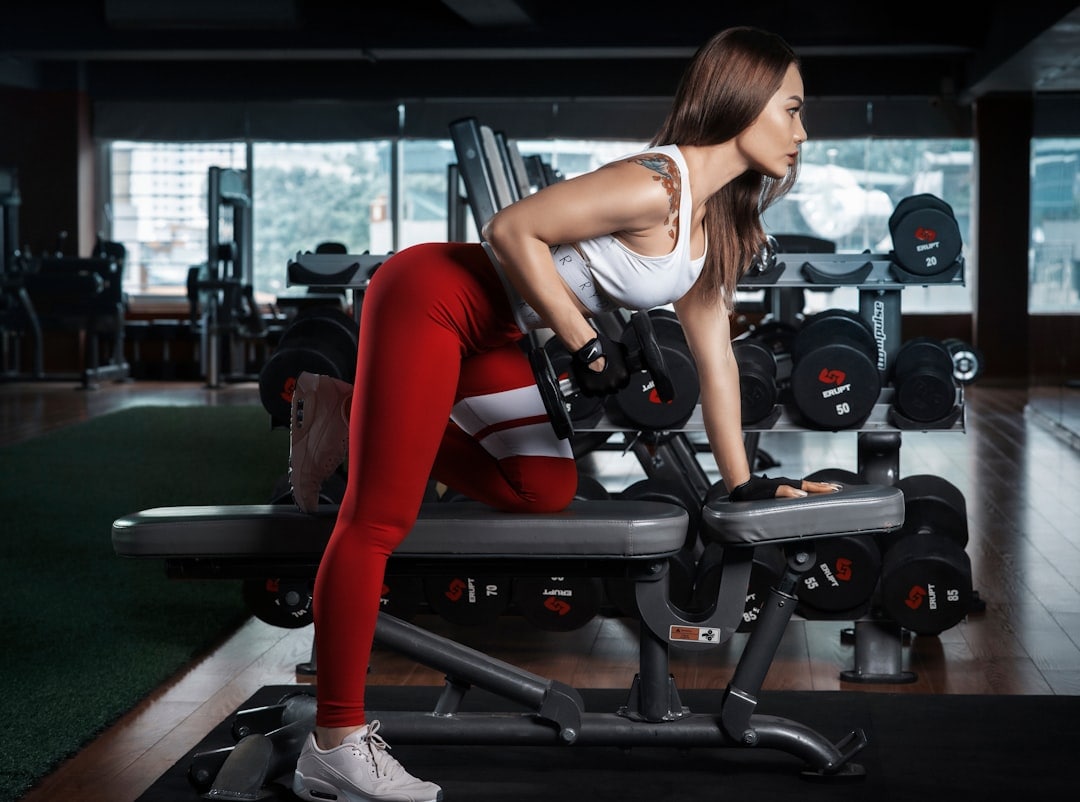
For women who already have prolapse or pelvic-floor symptoms, however, the approach should be individual rather than simply ‘stop lifting weights.’ If a particular exercise causes vaginal heaviness, a feeling of something coming down, a bulge or urine leakage, the exercise or the way it is being performed may need to be modified. A pelvic-floor physiotherapist can help with the right technique and exercises.
Should women stop lifting weights to prevent prolapse?
According to Dr Daisy, building muscle is important for bone strength, fitness, and healthy ageing. The aim is to exercise sensibly, increase weights gradually to build strength progressively and pay attention to your body’s signals.
Note to readers: This article is for informational purposes only and not a substitute for professional medical advice. Always seek the advice of your doctor with any questions about a medical condition.
Catch every big hit, every wicket with Crick-it, a one stop destination for Live Scores, Match Stats, Quizzes, Polls & much more. Explore now!.
Catch your daily dose of Fashion, Taylor Swift, Health, Festivals, Travel, Relationship, Recipe and all the other Latest Lifestyle News on Website and APPs.
See Less

Leave a Reply