A ‘new’ cat joins the feline family, 100 years after the last one
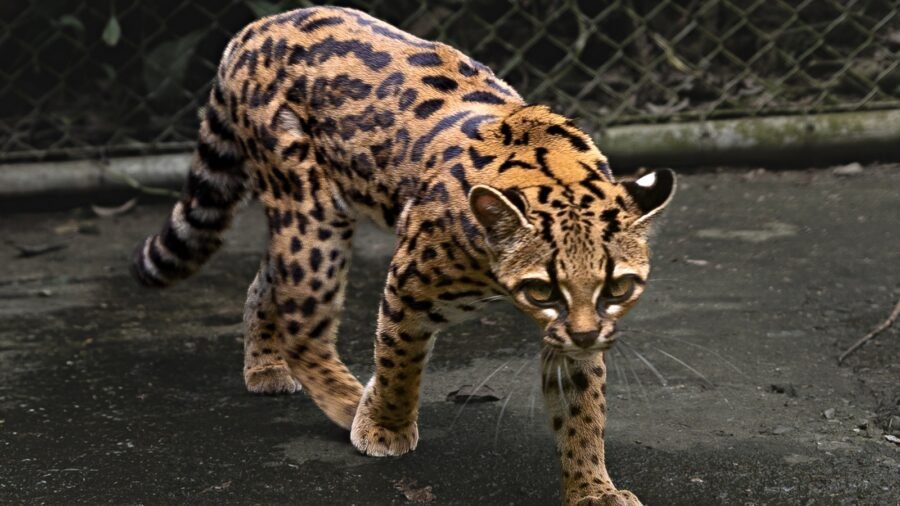
It was once mistaken for a pet cat
The discovery began in an unusually ordinary way.
Story continues below.
Subscribe to see fewer ads.
In 2016, Bolivian biologist Paola Nogales-Ascarrunz came across an unusual cat at a wildlife sanctuary. A local man found the animal as a kitten and took it home, thinking it was a domestic cat. It eventually ended up at the sanctuary, where Nogales-Ascarrunz began looking into it.
At first, it looked like one of the small tiger cats found across South America. But some of its features did not quite match the cats scientists already knew.
That raised a question: was this simply an unusual individual, or was it something scientists had been missing?
The answer came from its DNA.
The DNA changed the picture
Researchers compared the genomes of 38 Leopardus individuals, including eight museum specimens. The analysis showed that the tiger-cat group actually contains five distinct species, including Leopardus tilcayo.
Story continues below this ad
The researchers estimate that its lineage split from other tiger cats about 1.4 million years ago.
So, “new species” does not mean this cat suddenly appeared. It means scientists have only now formally recognised a lineage that has been separate for millions of years.
There is still a lot we don’t know
What a wonderful new discovery for science! Leopardus tilcayo, a tiny wild cat that has long lived quietly in Bolivia’s forests, has now been recognised as a distinct species. https://t.co/qkL5LITyqe
— Supriya Sahu IAS (@supriyasahuias) September 18, 2026
For a species that has just made global headlines, L. tilcayo remains surprisingly mysterious.
Scientists have very few confirmed individuals to study, along with limited camera-trap records. The species has been confirmed in Bolivia’s Yungas region, but researchers do not yet know its full range.
Even its lifestyle is still being pieced together. Camera-trap sightings suggest that it may be active at night. Scat evidence suggests that small rodents could be part of its diet. But researchers still need more information about what it eats, how it behaves, how it reproduces and how many of these cats are actually living in the wild.
Story continues below this ad
So why ‘tilcayo’?
Scientists didn’t make up the name for the paper.
Researchers retained “tilcayo”, a local name used for the animal. People reportedly told them that the name had been passed down from older generations, although its exact meaning is still unclear.
So the cat may have been familiar to people living in the region long before scientists officially recognised it as a separate species.
Now, researchers have to figure out just how widespread Leopardus tilcayo is and what threats it faces.
Story continues below this ad
For now, though, the feline family has a new member. And unlike most “new” discoveries, this one has been around for roughly 1.4 million years.
‘Cat’ has been trending on Google for the past 24 hours.
Explore more captivating stories about pets and animals here, and make us your daily stop for the latest from the animal kingdom.

4 scenic train journeys in India you should take at least once
By Sohail Khan · 30 Sep


Leave a Reply