5 Indian villages where traditional crafts still thrive
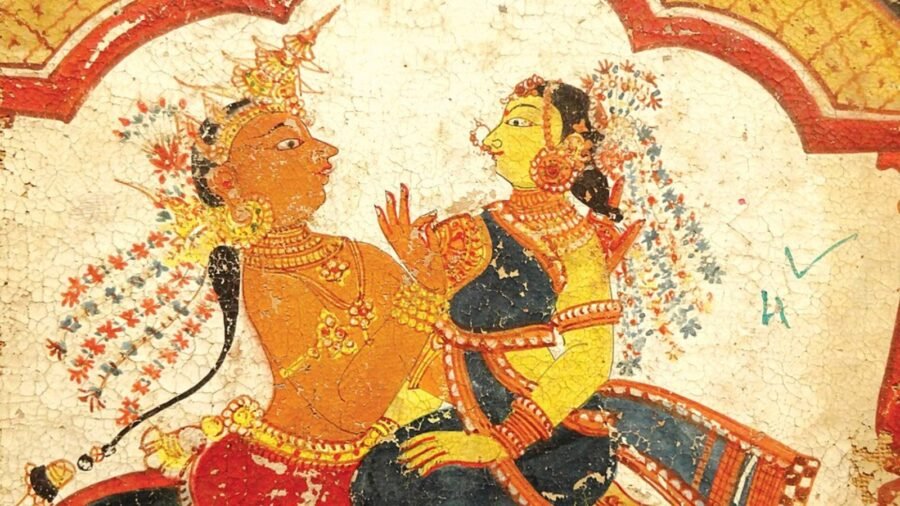
Across India, traditional crafts are not confined to museums or galleries. In several villages, artisans continue to practise techniques passed down through generations, often turning homes and small workshops into living centres of craft.
From Odisha’s Pattachitra paintings and appliqué work to Gujarat’s Rogan art and Karnataka’s lacquered wooden toys, these villages offer travellers a closer look at India’s artistic traditions — and at the communities working to keep them relevant.
1. Raghurajpur, Odisha — Pattachitra and palm-leaf art
Around 12 km from Puri, Raghurajpur is one of India’s best-known heritage craft villages. Almost every home doubles as an artist’s workshop, with the village particularly known for Pattachitra, the traditional painting style created on prepared cloth.
Story continues below.
Subscribe to see fewer ads.
The paintings often depict stories from Hindu mythology, particularly those associated with Lord Jagannath. Artisans also practise palm-leaf engraving, papier-mâché, wood carving and mask making.
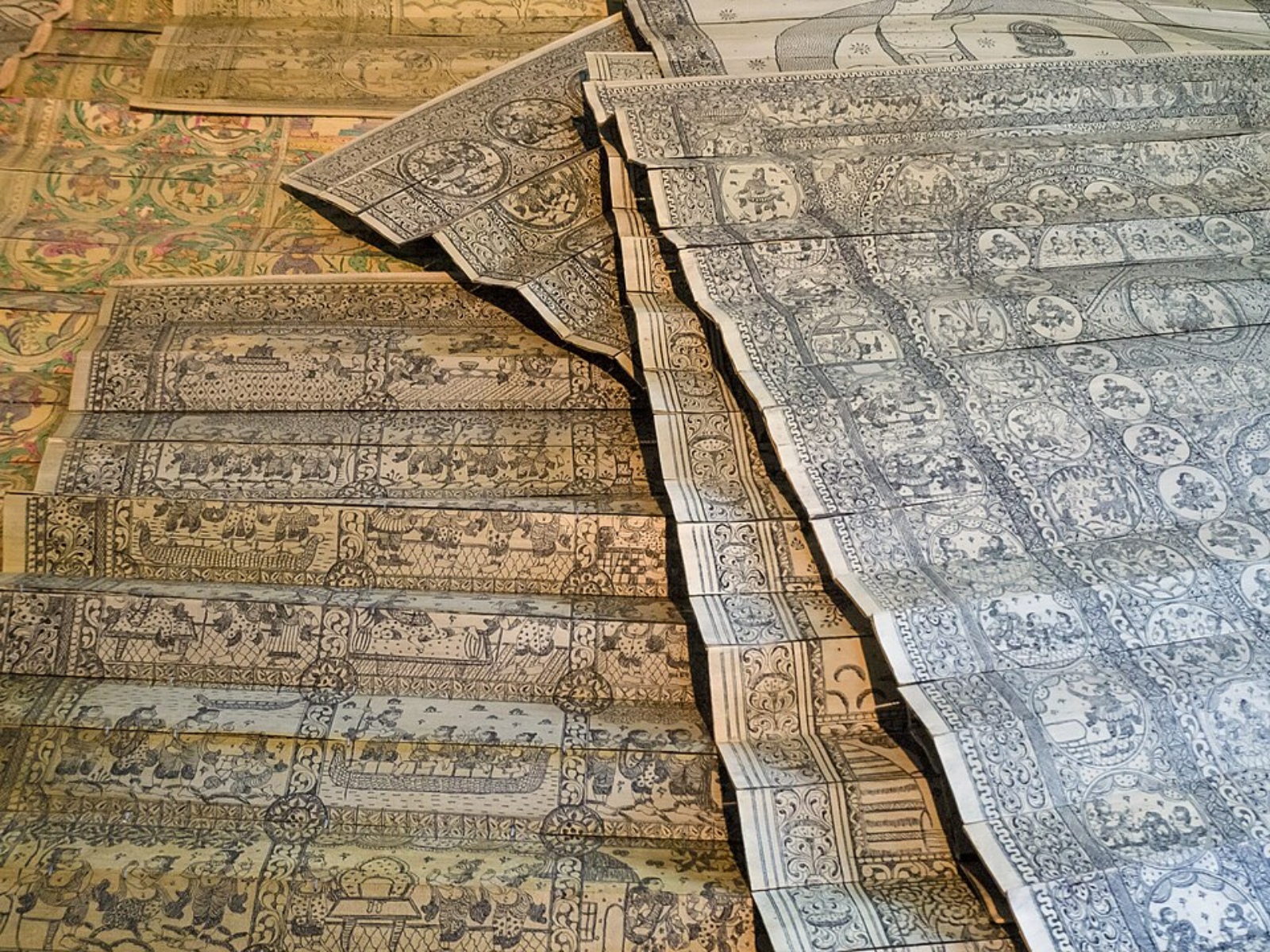 Pattachitra made on palm leaf, Odisha
2. Pipili, Odisha — Colourful appliqué work
A short distance from Puri, Pipili is synonymous with Odisha’s traditional appliqué craft, locally known as Chandua. The technique involves stitching pieces of coloured fabric together to create decorative patterns.
The craft has strong links with Odisha’s religious traditions and is used to decorate the chariots of Lord Jagannath and his siblings during the annual Rath Yatra. Artisans also create wall hangings, umbrellas, lanterns, bags and other household and decorative products.
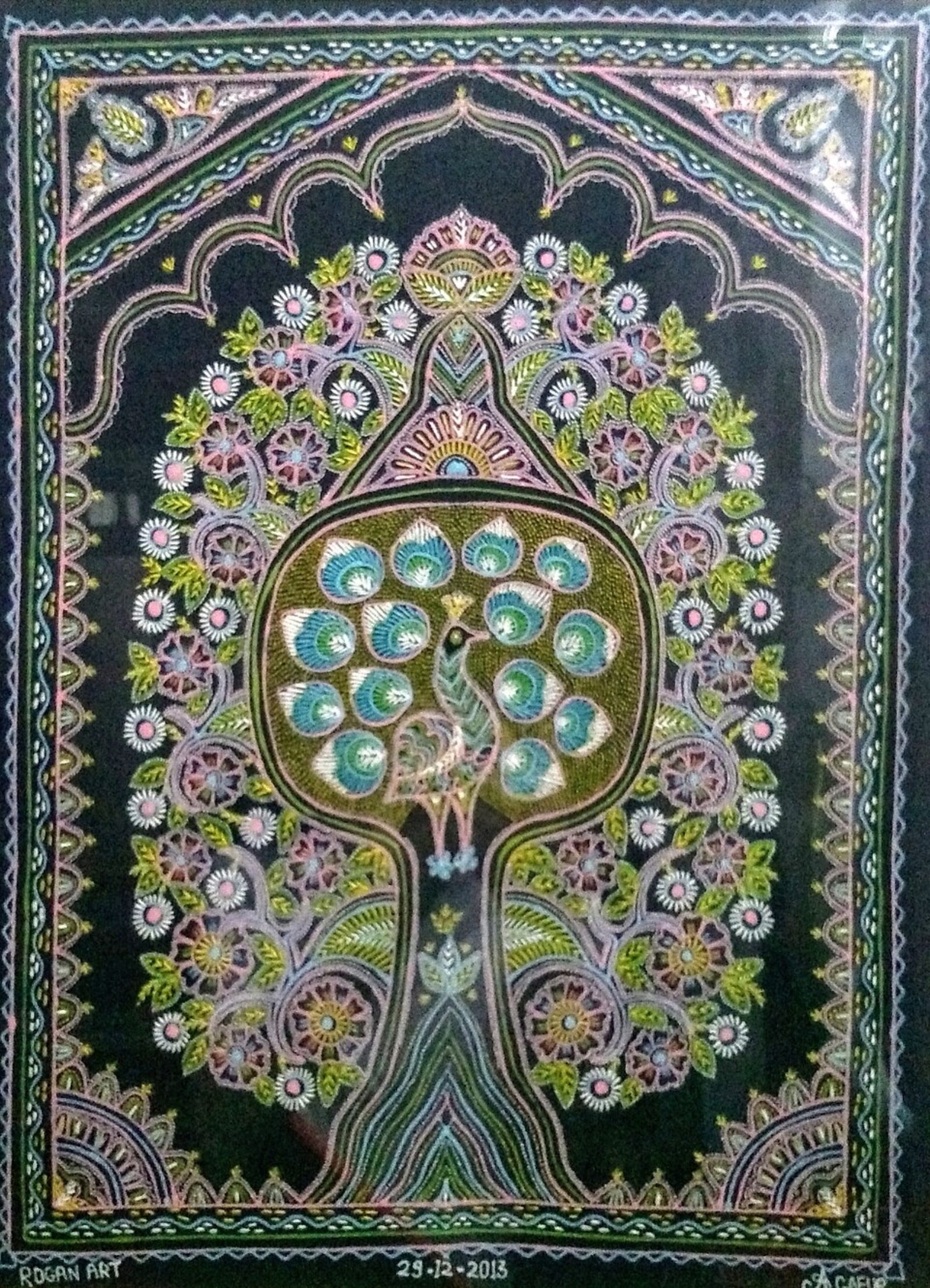 Rogan art
3. Nirona, Gujarat — Rogan art, copper bells and lacquer work
In Gujarat’s Kutch region, Nirona is a particularly interesting stop for craft enthusiasts because several traditional crafts coexist in one village.
Story continues below this ad
It is known for Rogan painting, an intricate textile art in which coloured pigments made using castor oil are worked onto fabric using a metal stylus. The village is also associated with copper bell making and lacquered wooden objects.
4. Hodka, Gujarat — Embroidery and leather craft
Located in Kutch, Hodka offers a glimpse into the region’s living textile traditions. The village is known for traditional embroidery and leatherwork, with artisans continuing to work with techniques associated with local communities.
Visitors can also experience the distinctive bhunga — traditional circular mud houses decorated with local artwork and mirror work. Hodka’s rural tourism model allows travellers to stay within the village and experience its crafts and way of life more closely.
5. Channapatna, Karnataka — Lacquered wooden toys
Between Bengaluru and Mysuru lies Channapatna, popularly known as Karnataka’s “Toy Town”. For more than two centuries, local artisans have transformed wood into brightly coloured toys and decorative objects.
Story continues below this ad
The craft involves turning locally grown wood on a lathe and applying coloured lacquer as the wood spins. Traditional vegetable-based colours and simple tools remain central to the process. The craft has also received a Geographical Indication (GI) tag.
Today, Channapatna’s workshops produce everything from traditional toys and puzzles to contemporary home décor, showing how an old craft can adapt to changing tastes while retaining its handmade character.

China This Week | With Xi set for US state visit, the 2 items on top of the agenda
By Sohail Khan · 20 Sep
Twinkle Khanna’s ‘desi jugaad’ to keep cockroaches and ants out of your kitchen
By Sohail Khan · 20 Sep
Sued for seeking ‘safer AI’: Lawsuit against Google, xAI, Anthropic, and OpenAI
By Sohail Khan · 20 Sep
Leave a Reply