Vaccination during pregnancy: Which vaccines are safe and which should you avoid?

Pregnancy comes with a long list of things to keep track of — from scans and supplements to diet and exercise. Vaccination is another important part of antenatal care, but it can leave many women with questions: Which vaccines are actually needed? Are they safe for the baby? And what happens if you receive a vaccine before realising you are pregnant?
In a conversation with indianexpress.com Dr Tripti Raheja, Director – Obstetrics & Gynaecology at the CK Birla Hospital®, Delhi, and Dr Kaishreen Khan, Consultant-Obstetrician and Gynaecologist, Motherhood Hospitals, Kharadi, Pune, explain that the right vaccines can protect a pregnant woman from infections that may become more serious during pregnancy while also passing protective antibodies to her baby.
Here is what pregnant women need to know.
Story continues below.
Subscribe to see fewer ads.
Which vaccines are recommended during pregnancy?
In India, Td/Tdap, influenza and Covid-19 vaccines may be recommended during pregnancy, depending on current guidance, the woman’s vaccination history, stage of pregnancy and individual risk factors.
Td is routinely provided under the national immunisation programme, while Tdap may be recommended during pregnancy to provide additional protection against pertussis (whooping cough). Influenza vaccination can be given during any trimester, while the live nasal-spray influenza vaccine should be avoided during pregnancy.
Covid-19 vaccination should be taken according to current national guidance and the woman’s individual risk profile.
Dr Raheja says, “The exact timing depends on previous vaccination history, gestational age and medical conditions, so the schedule should always be finalised with the treating obstetrician.”
Story continues below this ad
The exact vaccination plan can therefore vary from one woman to another. Her obstetrician should review her previous vaccination history, stage of pregnancy and medical conditions before deciding which vaccines are appropriate and when they should be given.
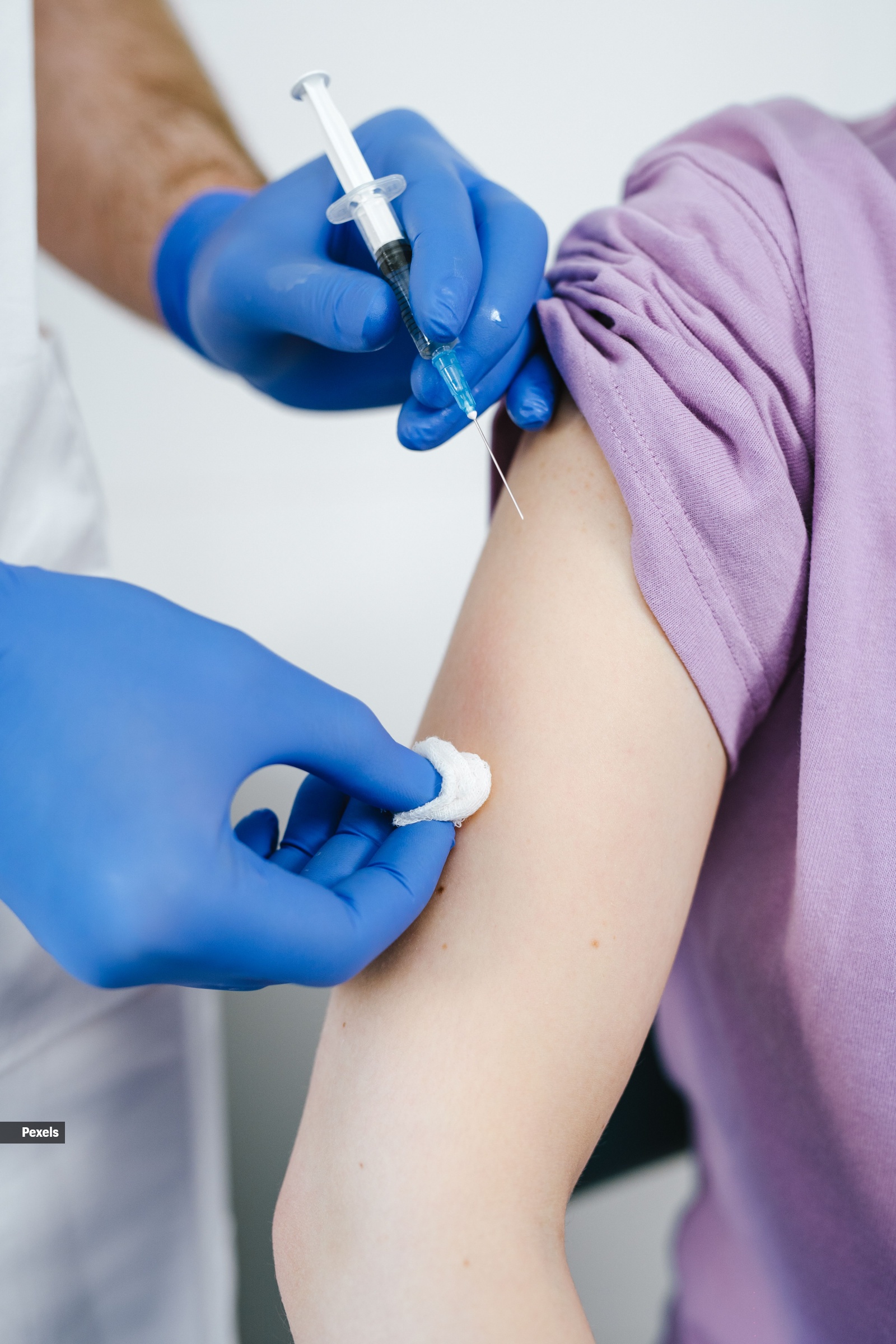 One common myth is that vaccines routinely harm the unborn baby or cause developmental problems
How do these vaccines protect the mother and baby?
Not every vaccine is suitable during pregnancy.
Live attenuated vaccines such as MMR (measles, mumps and rubella) and varicella (chickenpox) are generally avoided during pregnancy as a precaution because they contain weakened live organisms.
The live nasal-spray influenza vaccine should also not be given during pregnancy. This should not be confused with the injectable influenza vaccine, which is an inactivated vaccine.
Story continues below this ad
But what if a woman receives a live vaccine before she knows she is pregnant?
There is no need to panic. Accidentally receiving a live vaccine is not, by itself, an indication for termination of pregnancy.
Dr Raheja says, “Accidental vaccination is not, by itself, an indication for termination of pregnancy.”
She advises women to inform their obstetrician, share details of the vaccine and date of administration, and continue appropriate antenatal care. Further doses can generally be postponed until after pregnancy.
Dr Khan similarly says, “If a woman accidentally receives one before discovering she is pregnant, she should not panic or consider pregnancy termination solely because of the vaccination; she should inform her gynaecologist for appropriate counselling and follow-up.”
Story continues below this ad
Are influenza, Td/Tdap and COVID-19 vaccines safe during pregnancy?
Inactivated influenza, Td/Tdap and recommended Covid-19 vaccines are considered safe during pregnancy when appropriately indicated.
The available evidence is reassuring. Influenza vaccines have been given to millions of pregnant women, with no evidence of increased risk of major pregnancy complications. Studies of Tdap vaccination have similarly not shown increased risks for the mother or baby.
For Covid-19 vaccines, ongoing safety monitoring and studies have not identified increased risks to pregnant women or their babies.
Dr Raheja says, “The available evidence is reassuring regarding the safety of recommended vaccines during pregnancy.”
Story continues below this ad
It is also important to consider the infections themselves. Influenza and Covid-19 can cause serious complications during pregnancy, which is why recommended vaccination can offer important protection.
What side effects can a pregnant woman expect?
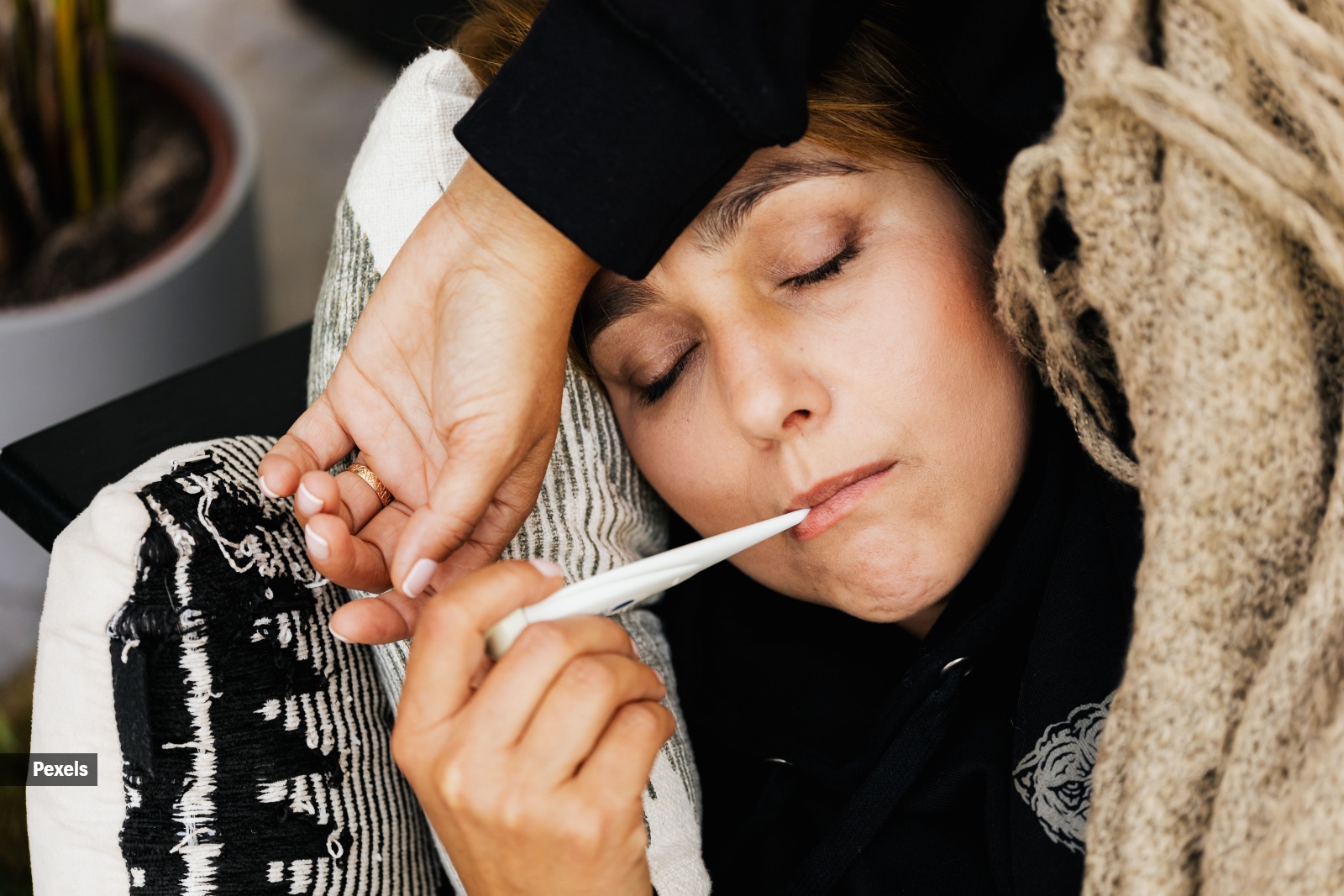 Seek medical advice for breathing trouble, facial swelling, severe allergy, high fever or unusual symptoms
Most vaccine side effects are mild and temporary. These can include:
- Pain, redness or swelling at the injection site
- Tiredness
- Headache
- Muscle or body aches
- Mild fever
Dr Khan says, “Most side effects are mild and temporary, such as pain or swelling at the injection site, mild fever, tiredness or body aches.”
However, a pregnant woman should contact her doctor if she develops difficulty breathing, facial or throat swelling, a severe allergic reaction, persistent high fever, or any unusual or concerning symptoms after vaccination.
Story continues below this ad
It is also important to remember that not every symptom occurring after vaccination is necessarily caused by the vaccine. Any concerning symptom during pregnancy deserves appropriate medical evaluation.
What if you have a high-risk pregnancy, allergy or chronic illness?
Vaccination decisions may need to be individualised in women with high-risk pregnancies or certain medical conditions.
Women with diabetes, hypertension, asthma, kidney disease or other chronic illnesses may benefit significantly from vaccination because some infections can become more severe in these situations. At the same time, their doctor needs to consider their overall health, medications and pregnancy complications.
Women who have previously experienced a severe allergic reaction to a vaccine or one of its components also need medical assessment before receiving another dose.
Story continues below this ad
Dr Raheja says, “Vaccination should be individualised in high-risk pregnancies.”
She adds, “The obstetrician should review vaccination history, allergies, medical conditions, and pregnancy status before making recommendations.”
So, having a high-risk pregnancy or a previous vaccine reaction does not automatically mean that all vaccines should be avoided. The decision needs to be made based on the woman’s individual circumstances.
What vaccination myths should pregnant women stop worrying about?
One common fear is that vaccines automatically harm the unborn baby. But several vaccines are specifically recommended during pregnancy because they can protect both mother and baby.
Story continues below this ad
Dr Raheja says, “One major myth is that vaccines automatically harm the baby. In reality, several vaccines are specifically recommended during pregnancy because they protect both mother and baby.”
Another misconception is that vaccination necessarily causes the infection itself. The injectable influenza vaccine, for example, does not contain live influenza virus capable of causing flu. Similarly, Covid-19 vaccines do not cause Covid-19 infection.
Dr Khan says, “One common myth is that vaccines routinely harm the unborn baby or cause developmental problems.”
There is also no blanket rule that every vaccine must be postponed until after delivery. Some are recommended during pregnancy because they protect the mother and can help transfer antibodies to the baby, while live vaccines such as MMR and varicella are generally avoided.
Ultimately, the right vaccination plan depends on your pregnancy stage, previous vaccinations, medical history, and current recommendations. Rather than relying on misinformation or skipping a vaccine out of fear, discuss your vaccination record with your obstetrician and follow the schedule recommended specifically for you.

Twinkle Khanna’s ‘desi jugaad’ to keep cockroaches and ants out of your kitchen
By Sohail Khan · 20 Sep
Sued for seeking ‘safer AI’: Lawsuit against Google, xAI, Anthropic, and OpenAI
By Sohail Khan · 20 Sep
Who killed the tiger? The question isn’t enough to tackle modern trafficking
By Sohail Khan · 20 Sep
Leave a Reply