10 plants that attract birds, bees and butterflies to Indian gardens
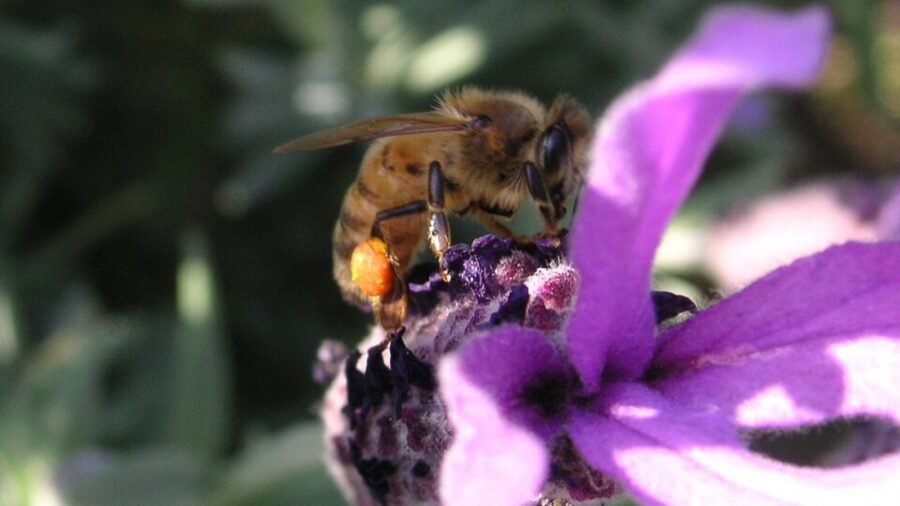
A beautiful garden isn’t just about colourful blooms; it can also become a refuge for birds, butterflies, bees and other beneficial creatures. As urbanisation reduces natural habitats, even a small balcony or backyard filled with the right plants can provide food, shelter and nesting spaces for wildlife.
Here are some of the best plants to grow if you want your garden to support local biodiversity.
1. Lavender
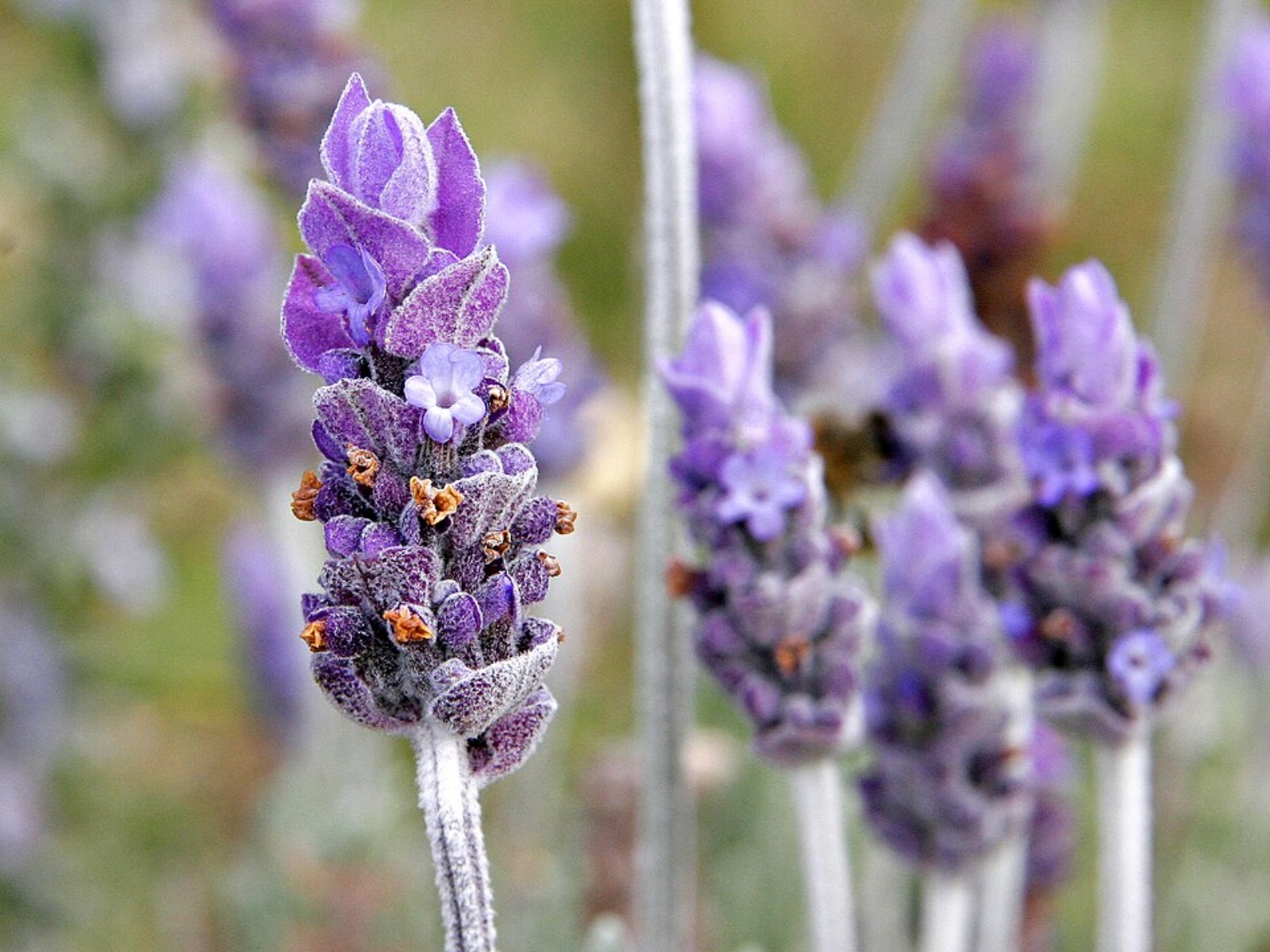 Lavender flower
Lavender’s fragrant purple flowers are rich in nectar, making them a favourite of honeybees, bumblebees and butterflies. It flowers over a long season and thrives in sunny, well-drained spots.
Wildlife attracted: Bees, butterflies and hoverflies.
Story continues below this ad
2. Sunflower
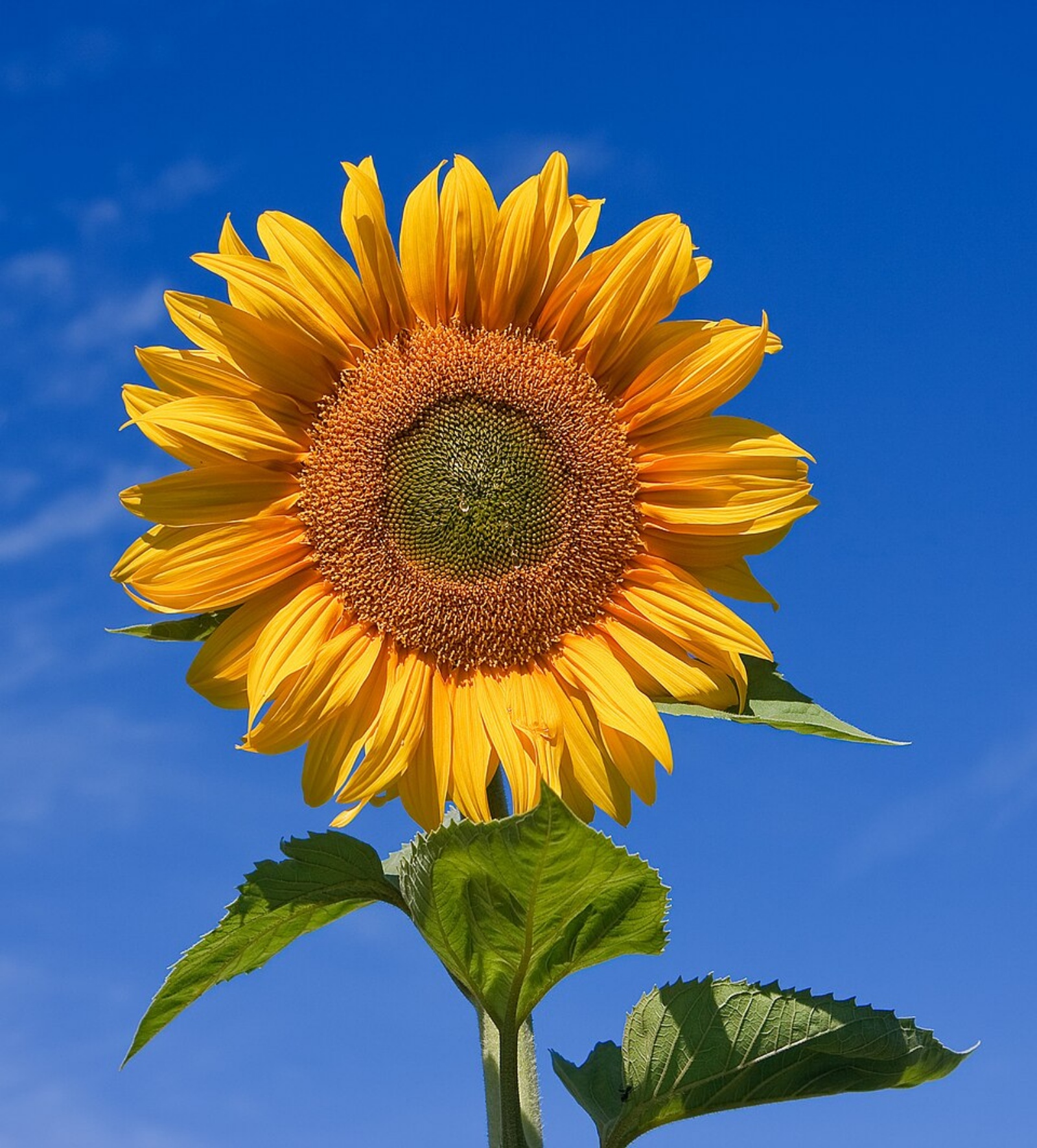 A sunflower
Sunflowers provide nectar for pollinators while in bloom. Once they set seed, finches, sparrows and other seed-eating birds feast on the flower heads.
Wildlife attracted: Bees, butterflies and birds
3. Milkweed
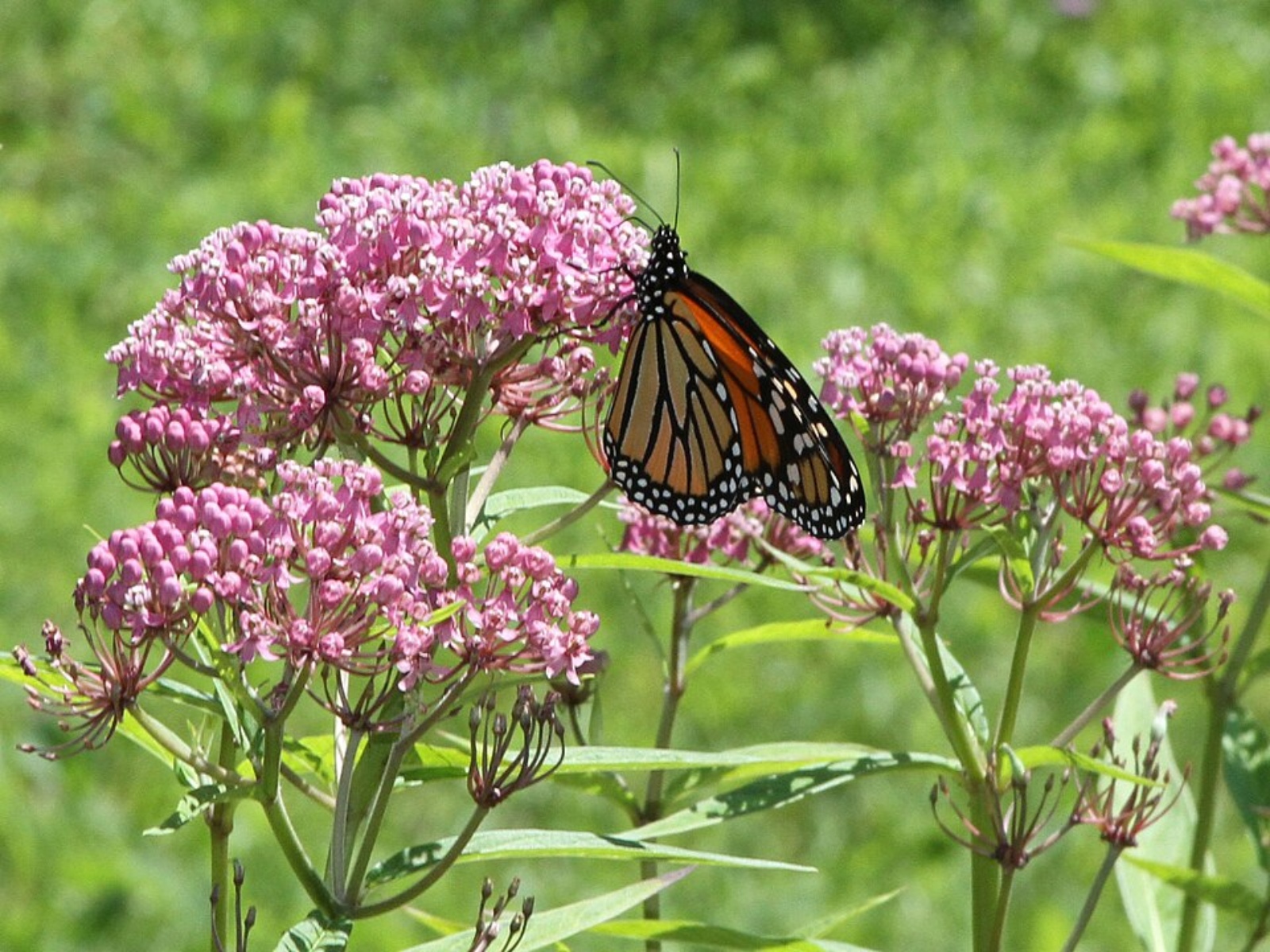 A butterfly on milkweed
Milkweed is famous for supporting butterflies, especially monarchs in regions where they occur. Its nectar-rich flowers also attract many native pollinators.
Wildlife attracted: Butterflies, bees and beneficial insects
4. Native hibiscus
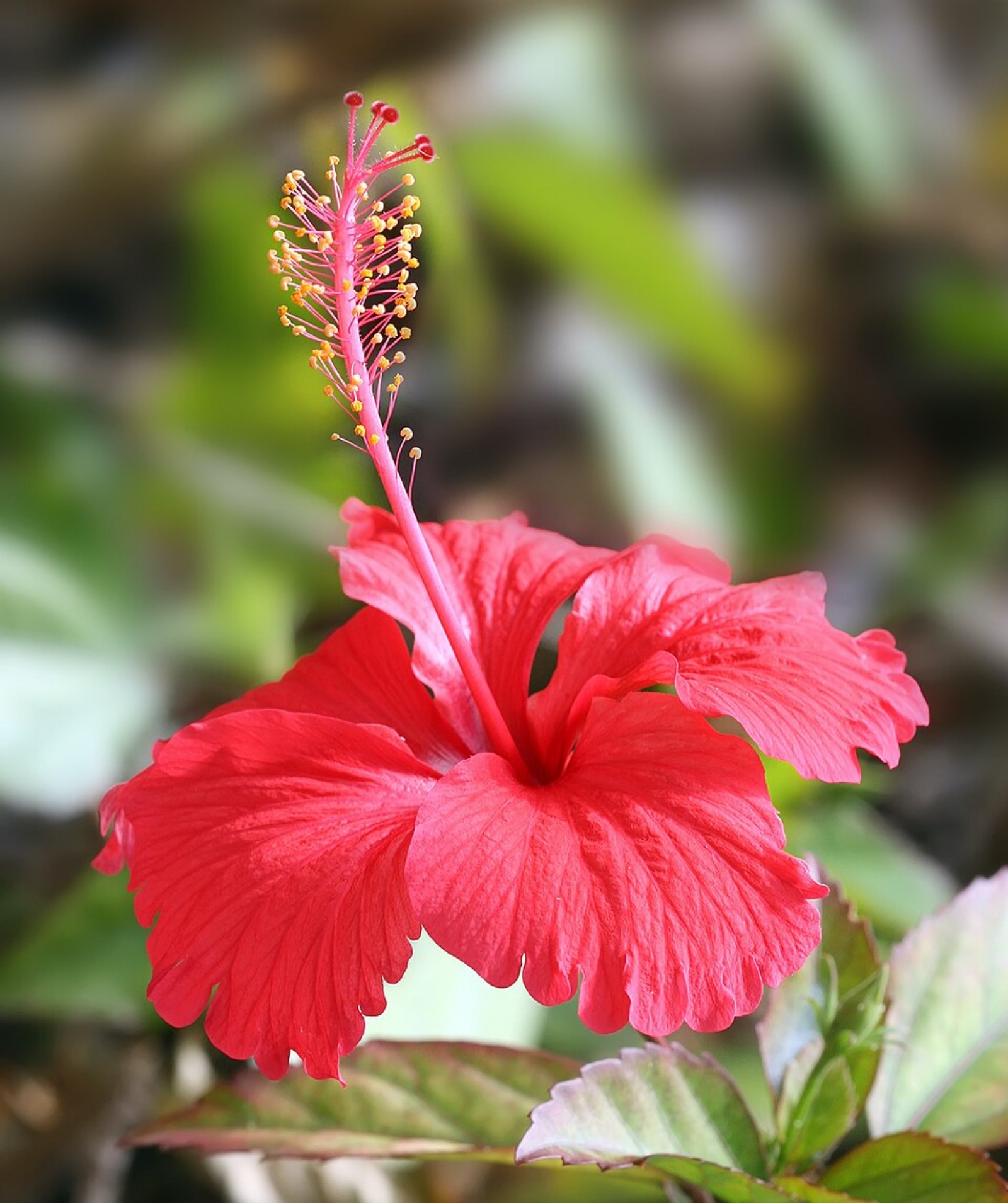 Hibiscus
Hibiscus flowers offer nectar for birds and insects, while dense foliage can provide shelter for small wildlife. Native species are often more beneficial than ornamental hybrids.
Wildlife attracted: Sunbirds, bees and butterflies
5. Marigold
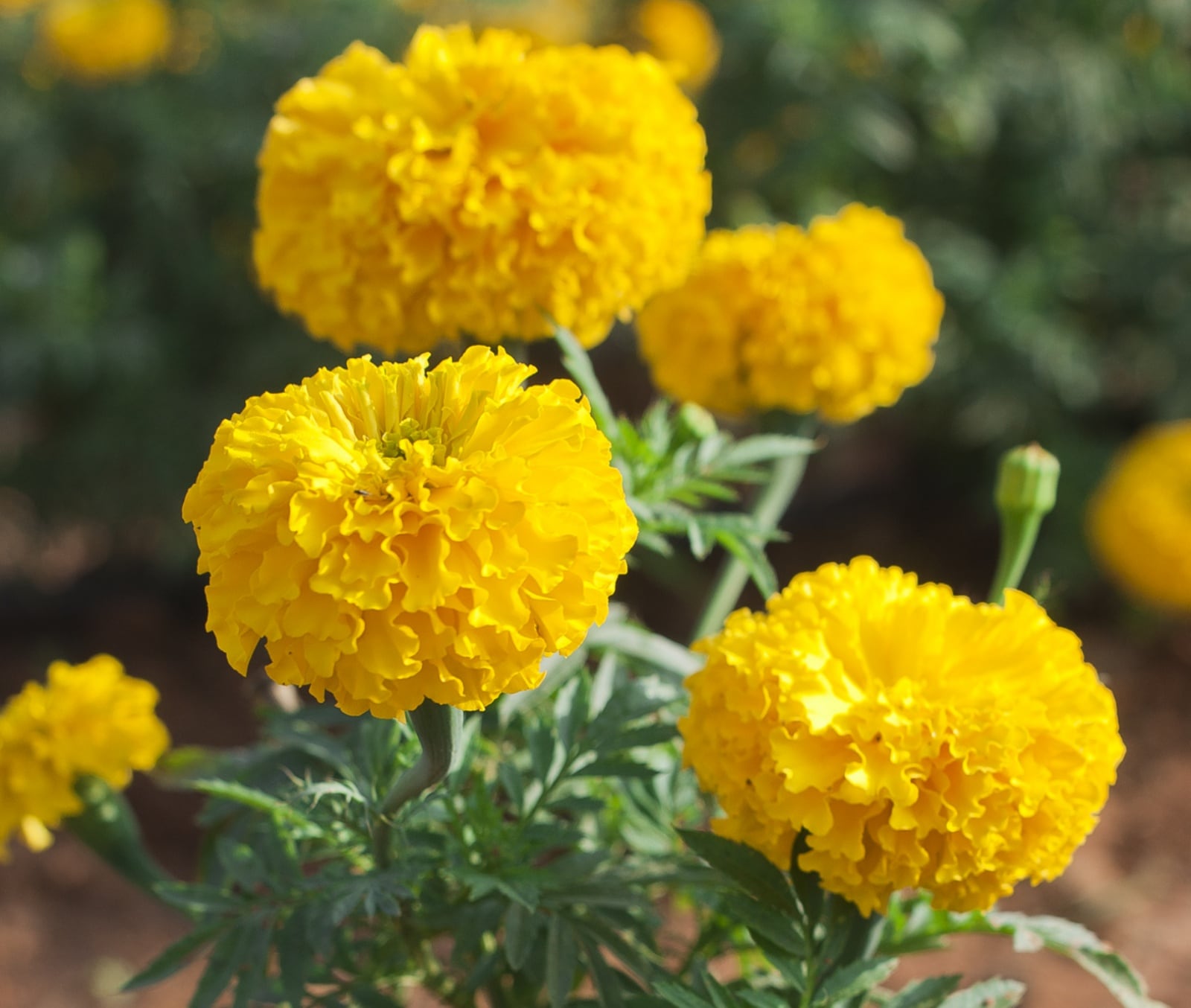 Marigold
Easy to grow and brightly coloured, marigolds attract bees and butterflies while also helping deter certain garden pests naturally.
Wildlife attracted: Bees, butterflies and beneficial insects
Story continues below this ad
6. Bottlebrush
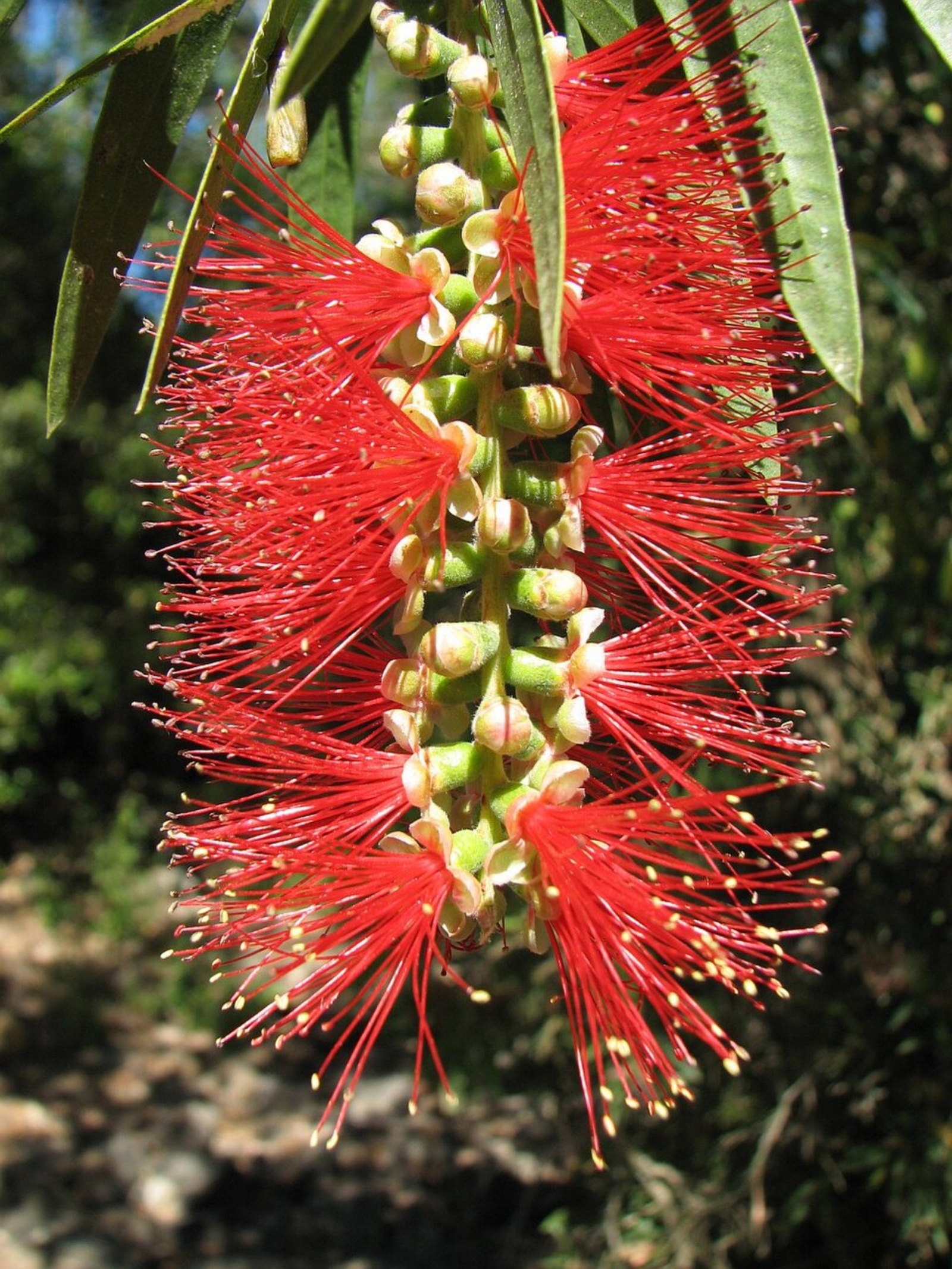 A red bottle brush
Its brush-like red flowers produce abundant nectar, making bottlebrush a magnet for nectar-feeding birds and pollinating insects.
Wildlife attracted: Sunbirds, bees and butterflies
7. Berry-producing shrubs
Shrubs that produce berries provide an important food source for birds, especially during seasons when insects are scarce. They also offer nesting cover.
Wildlife attracted: Songbirds and small mammals
8. Jasmine
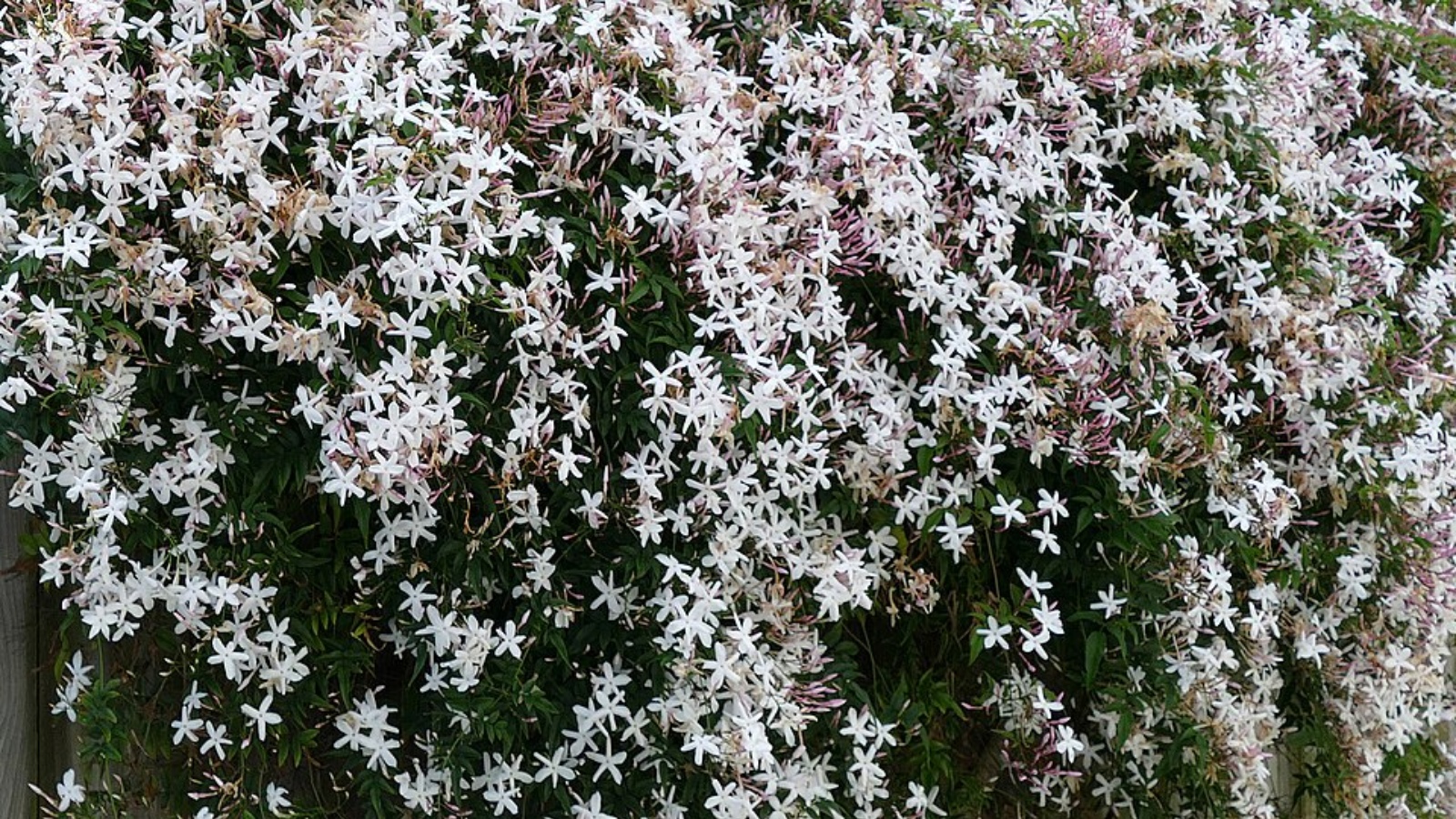 Jasmine
Many jasmine species release fragrance in the evening, attracting moths and nocturnal pollinators that play an important ecological role.
Wildlife attracted: Moths, bees and butterflies
9. Native grasses
Grasses are often overlooked but provide seeds for birds, shelter for insects and nesting material for wildlife. They also require relatively little maintenance.
Wildlife attracted: Birds, butterflies and beneficial insects
Story continues below this ad
10. Basil (Tulsi and sweet basil)
If allowed to flower, basil becomes an excellent nectar source. Holy basil (tulsi) and sweet basil both attract numerous pollinating insects.
Wildlife attracted: Bees, butterflies and hoverflies

Turmeric, honey, and yoghurt: Decoding Ananya Panday’s glow secret
By Sohail Khan · 28 Sep
SpaceX puts Starship megarocket in orbit for first time
By Sohail Khan · 28 Sep
‘What’s for lunch when your restaurant is travelling at 28,000 km/h?’
By Sohail Khan · 28 Sep